Why Multi-Functional Furniture Is Redefining Small-Space Living
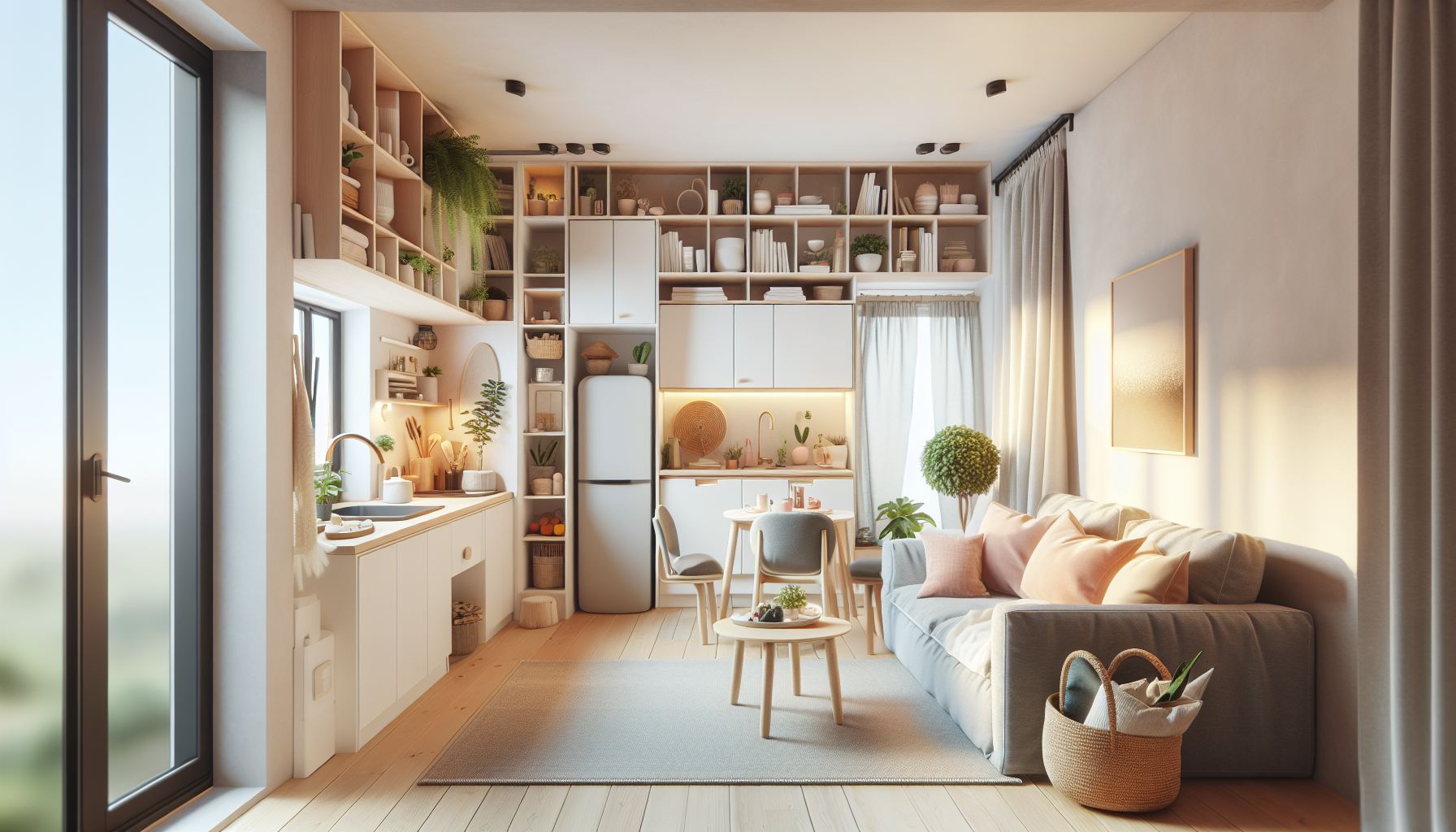
In today's world, where living spaces are becoming increasingly compact, multi-functional furniture is emerging as the unsung hero of small-space living. Whether you're in a city studio or a cozy suburban apartment, making the most of every square inch is essential. This article delves into how multi-functional furniture is redefining small-space living, providing you with actionable insights on how to transform your home into a versatile, efficient haven.
The importance of multi-functional furniture in small-space living cannot be overstated. It's not just about saving space; it's about enhancing your lifestyle by making your environment more adaptable and efficient. With a few strategic choices, you can enjoy a home that feels spacious, organized, and inviting, without the stress of clutter or the cost of extensive renovations.
Essential Multi-Functional Pieces to Consider
The key to maximizing your space lies in selecting furniture that serves multiple purposes. These pieces not only improve the functionality of your home but also contribute to its aesthetic appeal without overwhelming it.
- Sleeper Sofas: Perfect for those who frequently host guests, a sleeper sofa offers comfort by day and a bed by night, seamlessly transforming your living room into a guest bedroom.
- Extendable Dining Tables: Ideal for both everyday meals and hosting dinner parties. These tables remain compact during daily use but can be extended to accommodate more guests when needed.
- Storage Ottomans: A dual-purpose piece that offers hidden storage for blankets, magazines, or even kids' toys, while providing extra seating or a footrest.
When choosing multi-functional furniture, consider the flow of your space. Opt for pieces that are easy to move and reconfigure. Common mistakes include choosing overly bulky items that dominate the room or underestimating the importance of storage. Always prioritize versatility and ease of use.
Designing for Small Spaces: Practical Tips
Designing a small space with multi-functional furniture requires a bit of creativity and planning. Start by assessing your needs and identifying the key functions your space should support. This approach ensures that every piece of furniture serves a purpose, creating a harmonious and efficient environment.
- Vertical Storage Solutions: Utilize tall bookshelves or wall-mounted units to free up floor space while providing ample storage.
- Movable Furniture: Consider furniture on casters, like rolling carts or mobile desks, for flexible room arrangements that adapt to your daily activities.
- Foldable Pieces: Incorporate foldable chairs and tables that can be easily stored when not in use, offering adaptability for various occasions.
Be cautious of overcrowding your space with too many pieces. A minimalist approach not only enhances functionality but also promotes a serene and uncluttered atmosphere.
Maximizing Aesthetic Appeal
While functionality is key, aesthetic appeal should not be overlooked. Integrating style with practicality enhances the overall ambiance of your home, making it both beautiful and comfortable.
- Color Coordination: Choose a cohesive color palette that reflects your personal style and makes the space feel unified and larger.
- Transparency and Light Materials: Opt for clear acrylic or glass pieces that create an illusion of more space, giving a light and airy feel to the room.
- Personal Touches: Add decorative elements like throw pillows, art, or plants that complement your space without overwhelming it.
Avoid cluttering surfaces with too many decorative items. Select a few meaningful pieces that resonate with your style, adding character without clutter.
In conclusion, embracing multi-functional furniture in your small space can lead to transformative changes, offering both practical and aesthetic benefits. Start with one or two key pieces and observe how they improve your daily life. Over time, you may find that these smart, small upgrades not only reduce stress but also enhance your confidence in your living space. Experiment with different configurations and adapt them to suit your evolving needs. By thoughtfully integrating these elements, you can create a home that’s both functional and inviting, perfectly tailored to your lifestyle.
Further Reading
For more on this topic, explore: Bon Appétit, Dezeen, Architectural Digest.