The Ultimate Guide to 'One-Wall Accent' Design for Calm Simplicity
The slow emergence of 'One-Wall Accent' design offers a refreshing approach to interior decoration, favoring calm simplicity and focused elegance over complexity and clutter. This design trend emphasizes the power of a single, thoughtfully curated wall to transform an entire space. By the end of this article, you'll understand how to incorporate this style into your own home, gaining insights into achieving a harmonious and tranquil environment without overwhelming your senses or your budget.
In today's fast-paced world, creating a peaceful home environment is more important than ever. A 'One-Wall Accent' design can effectively enhance your living space by providing a focal point that brings balance and calm. This approach saves time and resources by eliminating the need for constant redecorating and offers a sustainable solution for those seeking to reduce clutter and promote serenity in their homes.
Understanding the Basics of 'One-Wall Accent' Design
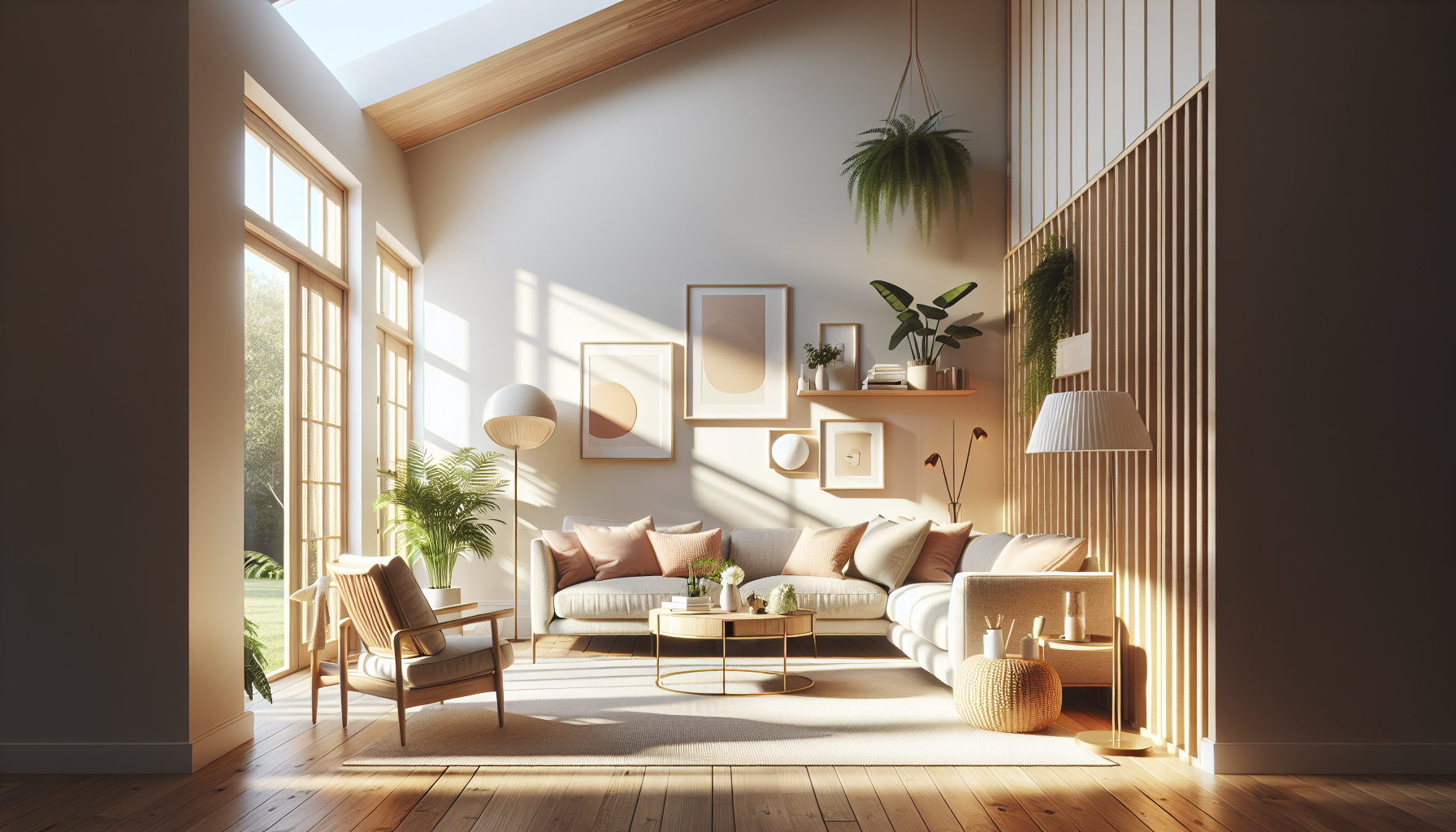
The concept behind 'One-Wall Accent' design is straightforward: choose a single wall within a room to highlight with color, texture, or artwork, creating a striking feature that complements the rest of the space. This design choice works well in both large and small areas, providing flexibility and room for personal expression.
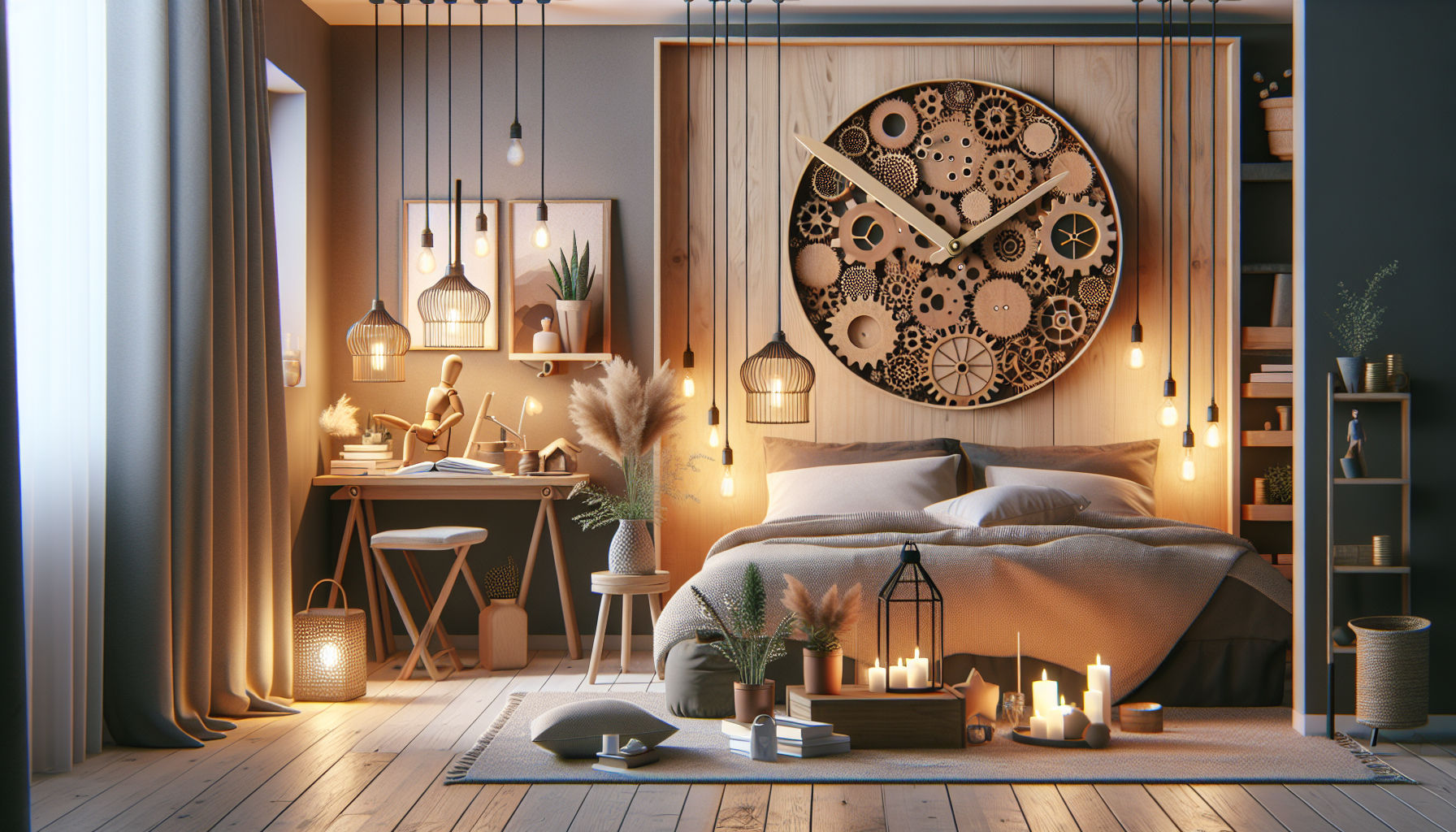
- Selecting the Right Wall: Focus on a wall that naturally draws attention, such as the wall opposite the entrance or a wall behind a significant piece of furniture like a bed or sofa. This ensures that the accent wall enhances the room's overall layout.
When deciding which wall to accent, consider the room's layout and natural light sources. A well-lit wall can display colors and textures more effectively, while a darker wall might benefit from lighter, brighter accents.
Choosing Colors and Materials
Color and material choices are critical in achieving the desired effect with your accent wall. The goal is to create a harmonious blend that complements the existing décor while introducing a new, engaging element.
- Color Selection: Opt for colors that either contrast with or complement the surrounding walls. Earthy tones or muted pastels can offer a soothing effect, while bold colors like deep blue or forest green can add dramatic flair.
- Material Options: Consider materials like textured wallpaper, wood panels, or even a geometric mural. These add depth and interest without overwhelming the senses.
Avoid overly trendy colors or materials that may quickly date your space. Instead, focus on timeless choices that can adapt as your style evolves.
Integrating Art and Decor
Once your wall is painted or finished with the chosen material, the next step is to incorporate art and décor that enhance your wall's impact. The key is to maintain balance and avoid overcrowding.
- Art Placement: Choose a few statement pieces that resonate with you personally, whether they are paintings, photographs, or sculptures. Arrange them at eye level to create a cohesive gallery wall effect.
- Decorative Elements: Use floating shelves to display smaller decorative items like vases, books, or plants. This adds layers of interest without cluttering.
Steer clear of placing too many items on the wall, as this can detract from its impact. Instead, focus on quality over quantity, ensuring each piece adds value to the overall aesthetic.
Customizing for Various Lifestyles and Budgets
The beauty of 'One-Wall Accent' design is its adaptability to different lifestyles and budgets. Whether you're a busy professional or a family with young children, there's a way to make this design trend work for you.
- Budget-Friendly Options: If you're on a tight budget, consider painting techniques like color blocking or stenciling to add visual interest without the cost of expensive materials.
- Adaptations for Families: Use chalkboard or whiteboard paint for a functional yet stylish wall that encourages creativity and can be easily updated.
For those with more flexibility in their budget, investing in high-quality materials or commissioned artwork can elevate the space to a new level of sophistication.
Common Mistakes to Avoid
To ensure your 'One-Wall Accent' design achieves the desired effect, be mindful of common pitfalls that can detract from your efforts.
- Overcomplicating the Design: Stick to one or two contrasting elements. Introducing too many colors or textures can overwhelm the space.
- Ignoring Room Proportions: Ensure that the size and scale of your chosen elements suit the dimensions of your wall and the room as a whole.
Taking the time to plan and visualize the outcome can help avoid these mistakes, resulting in a more polished and cohesive design.
The 'One-Wall Accent' design is a powerful tool for transforming any room into a tranquil and visually pleasing retreat. By starting small and incorporating one or two changes, you can gradually build a space that feels both personal and harmonious. The long-term benefits of embracing this design approach include reduced stress and an enhanced sense of well-being, as your home becomes a sanctuary of calm simplicity. Experiment with different styles, colors, and textures to discover what resonates with your personal taste, and watch as your surroundings evolve into a timeless expression of beauty and calm.
Further Reading
For more on this topic, explore: Bon Appétit, Dezeen, Architectural Digest.