The Subtle Rise of 'Window-Focused' Room Layouts for Better Light
Natural light can dramatically transform the ambiance and energy of a room, enhancing both its aesthetic appeal and functionality. As more people seek to optimize their living spaces, the trend of 'window-focused' room layouts has quietly emerged as a practical way to harness natural light. This article delves into the nuances of designing your space around windows, helping you create a brighter, more inviting environment without the need for extensive renovations.
Understanding how to use natural light effectively isn't just about aesthetics; it can also contribute significantly to our well-being. A thoughtfully arranged room can save time during your daily routine by making spaces feel more open and organized, fostering a sense of calm and focus. By learning how to align your furniture for maximum light exposure, you can enjoy sustainable benefits such as reduced electricity use and enhanced mood—no exaggerated claims, just simple, practical changes.
Identify and Prioritize Your Light Sources
The first step in creating a window-focused layout is identifying the most significant sources of natural light in your room. Begin by observing which windows receive the most sunlight throughout the day and at which times. This understanding lays the foundation for your layout plan.
- Focus on windows with the highest light exposure: Prioritize these as the focal points in your room design. Arrange seating and work areas to take advantage of these natural light sources.
Consider the position of the sun during different seasons. In winter, you might want to maximize light in areas that need warmth. Conversely, in summer, controlling light exposure to prevent overheating is vital. Common mistakes include blocking these windows with large furniture pieces or heavy drapes, which can restrict light flow and diminish the room's overall brightness.
Arranging Furniture for Maximum Light
Once you've identified key windows, the next step is arranging your furniture to make the most of the light. This doesn't mean a complete overhaul of your current setup. Often, small shifts can yield significant improvements.
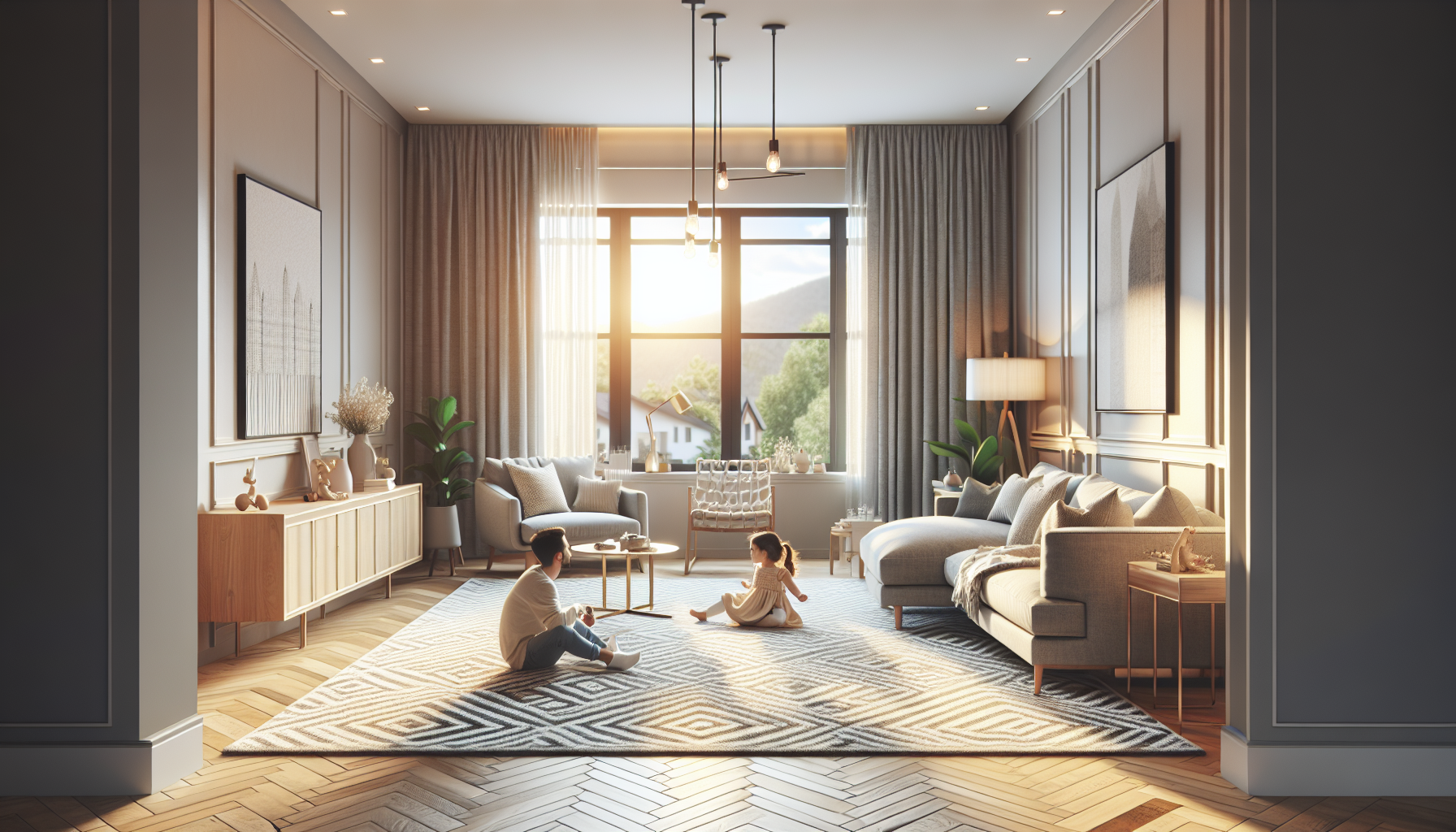
- Place seating to face or angle towards windows: This simple adjustment can instantly make a room feel larger and more inviting. Natural light on your face or workspace can enhance visibility and comfort.
- Use reflective surfaces: Incorporate mirrors and light-colored furniture to bounce light around the room, maximizing the effect of your windows.
Avoid placing tall bookshelves or cabinets directly adjacent to light sources. These can cast unwanted shadows and make a space feel cramped rather than cozy.
Window Treatments that Complement Light
Choosing the right window treatments is essential for controlling and optimizing natural light. The key is to balance privacy needs with light exposure.
- Opt for sheer or light-filtering curtains: These allow light to enter while still providing privacy, especially important in urban settings.
- Consider adjustable blinds: These offer flexibility, allowing you to control the direction and amount of light entering the room.
Heavy, dark curtains can block out too much light and should be avoided in rooms where natural illumination is desired. Instead, use them in bedrooms or spaces where you occasionally need complete darkness.
Incorporating Plants and Decor
Once the furniture and window treatments are arranged, consider how plants and decor can enhance your window-focused room layout. Greenery can thrive in well-lit spaces and add life and vibrancy to your room.
- Place plants near windows but not in direct sunlight: This placement helps them grow while preventing leaf burn.
- Use decor that complements the natural light: Light-colored or metallic decor elements can further reflect and amplify the light.
Avoid overcrowding the area around windows with too many items. Excessive decor can clutter the space and block the light, negating the benefits of your layout.
Further Reading
For more on this topic, explore: Bon Appétit, Dezeen.