The Rise of Sensory Minimalism in Home and Routine Design
In today's fast-paced world, where our senses are continuously bombarded by stimuli, there's a growing movement toward sensory minimalism in home and routine design. This trend isn't just about decluttering your physical space; it's about creating an environment that calms the mind and nurtures the soul. By the end of this article, you will gain practical insights into how to integrate sensory minimalism into your life, leading to a more peaceful and fulfilling daily experience.
Sensory minimalism matters because it directly impacts our mental well-being. In a world filled with constant noise and visual clutter, simplifying our surroundings can lead to reduced stress and increased focus. By intentionally choosing elements that speak to our senses in a subtle and meaningful way, we can create spaces and routines that foster tranquility and mindfulness, ultimately improving our quality of life.
Essential Elements to Begin Your Sensory Minimalism Journey
Starting your journey into sensory minimalism doesn't have to be overwhelming. Begin with a few essential elements that can immediately transform your space and routine. The key is to focus on quality over quantity and to curate elements that resonate with your personal sense of calm.
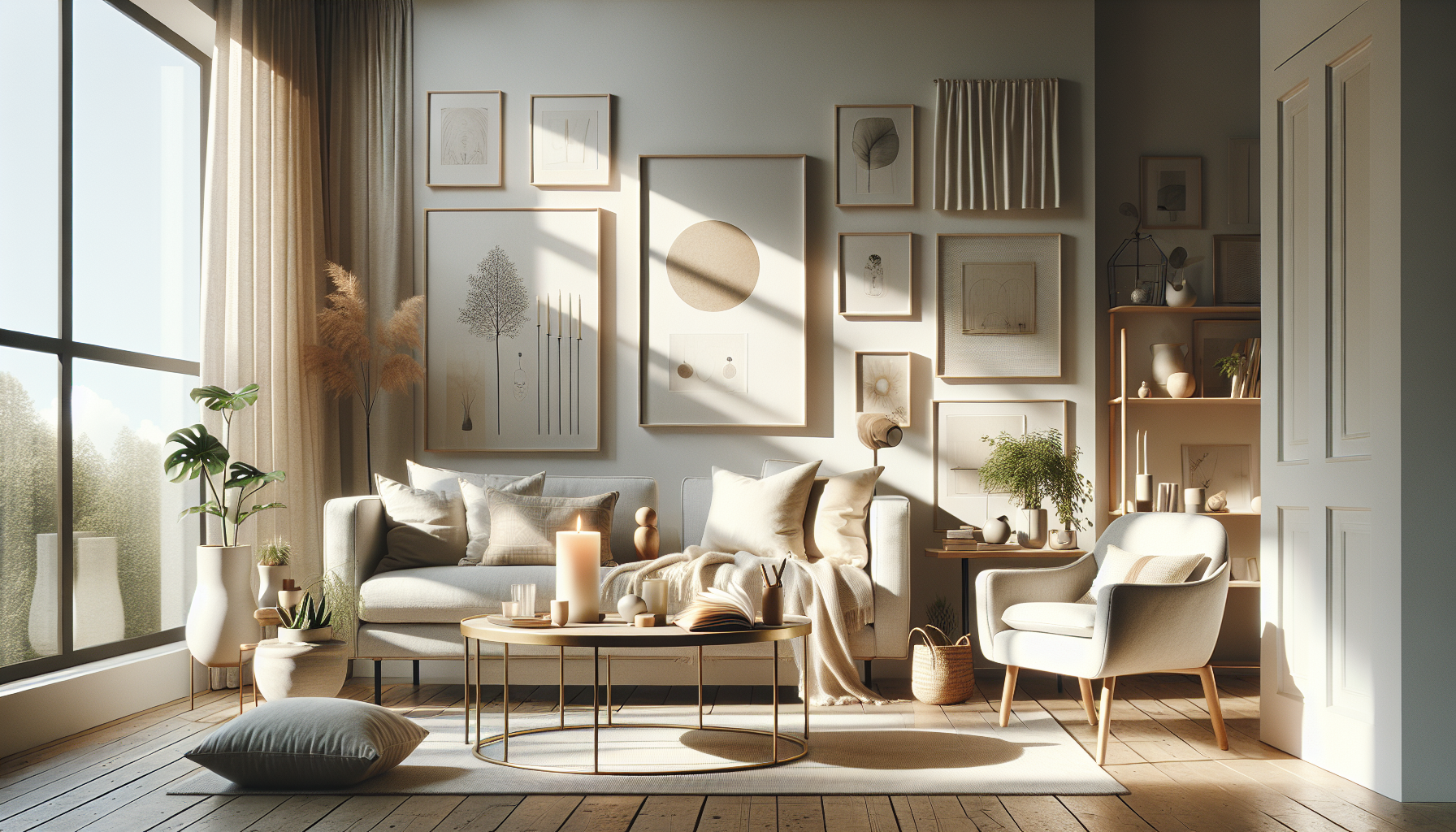
- Neutral Color Palettes: Colors significantly affect our mood and perception. Choose neutral tones like beige, soft grays, and muted whites that promote calmness and relaxation. When selecting colors, consider how they make you feel and how they interact with natural light in your home.
- Natural Textures: Incorporate materials such as wood, stone, and cotton. These elements introduce a sense of earthiness and warmth. For example, a wooden coffee table or linen curtains can subtly enhance the tactile experience of a room.
- Purposeful Lighting: Utilize natural light when possible, and supplement with soft, adjustable lighting solutions such as dimmable lamps or candles. Lighting can dramatically alter the atmosphere of a space, with warm lighting fostering a cozy environment.
By thoughtfully selecting these elements, you create a foundation for a minimalist environment that soothes rather than overstimulates. Be mindful of the balance between too little and too much, and remember that it's about creating a space that feels right for you.
Integrating Sensory Minimalism into Daily Routines
Once your space is set, the next step is to infuse this minimalist ethos into your daily routines. This means simplifying your activities to prioritize quality over quantity, focusing on rituals that enhance your well-being.
- Mindful Morning Rituals: Start your day with a few minutes of meditation or gentle stretching. This sets a tone of tranquility and intention for the day ahead.
- Simplified Wardrobe Choices: Embrace a capsule wardrobe concept, focusing on timeless pieces that can be easily mixed and matched. This reduces decision fatigue and ensures you always feel confident and comfortable in your attire.
- Intentional Meal Preparation: Plan meals that are not only healthy but also easy to prepare. This could be as simple as preparing a week’s worth of meals on a Sunday afternoon, using fresh ingredients that nourish the body.
These practices encourage a lifestyle of mindfulness and intentionality, reducing the chaos often associated with daily routines and allowing more time for reflection and relaxation.
Common Mistakes to Avoid in Sensory Minimalism
While the path of sensory minimalism is highly personal, there are common pitfalls that can detract from its effectiveness. Avoid these mistakes to maintain the integrity and purpose of your minimalist journey:
- Over-Purging: It's easy to get carried away with decluttering. Remember that minimalism is not about having as few items as possible but rather having the right items that serve a purpose and bring joy.
- Ignoring Personal Preferences: While it's important to follow general minimalist principles, ensuring that your space and routines reflect your personal tastes and preferences is crucial. Personalization is key to sustainability and enjoyment.
- Neglecting Regular Updates: As life changes, so do your needs. Regularly reassess your space and routines to ensure they continue to serve your current lifestyle.
By being mindful of these common traps, you can maintain a minimalist lifestyle that is both practical and fulfilling.
Adapting Sensory Minimalism Across Seasons
The beauty of sensory minimalism is its adaptability. As seasons change, so too can your minimalist approach. Here’s how to adjust your space and routine to align with seasonal shifts:
- Spring/Summer: Embrace lighter fabrics and colors, and consider adding elements like indoor plants or fresh flowers that reflect the vitality of these seasons.
- Fall/Winter: Shift to warmer textures such as wool or faux fur throws and introduce deeper, richer colors that provide a sense of warmth and coziness.
These seasonal adaptations ensure that your minimalist space remains vibrant and responsive to the natural world, enhancing your connection to the rhythm of life.
Further Reading
For more on this topic, explore: Architectural Digest, Eater, Bon Appétit.