The Rise of 'Memory Cloth' Quilts Using Family Fabric Scraps
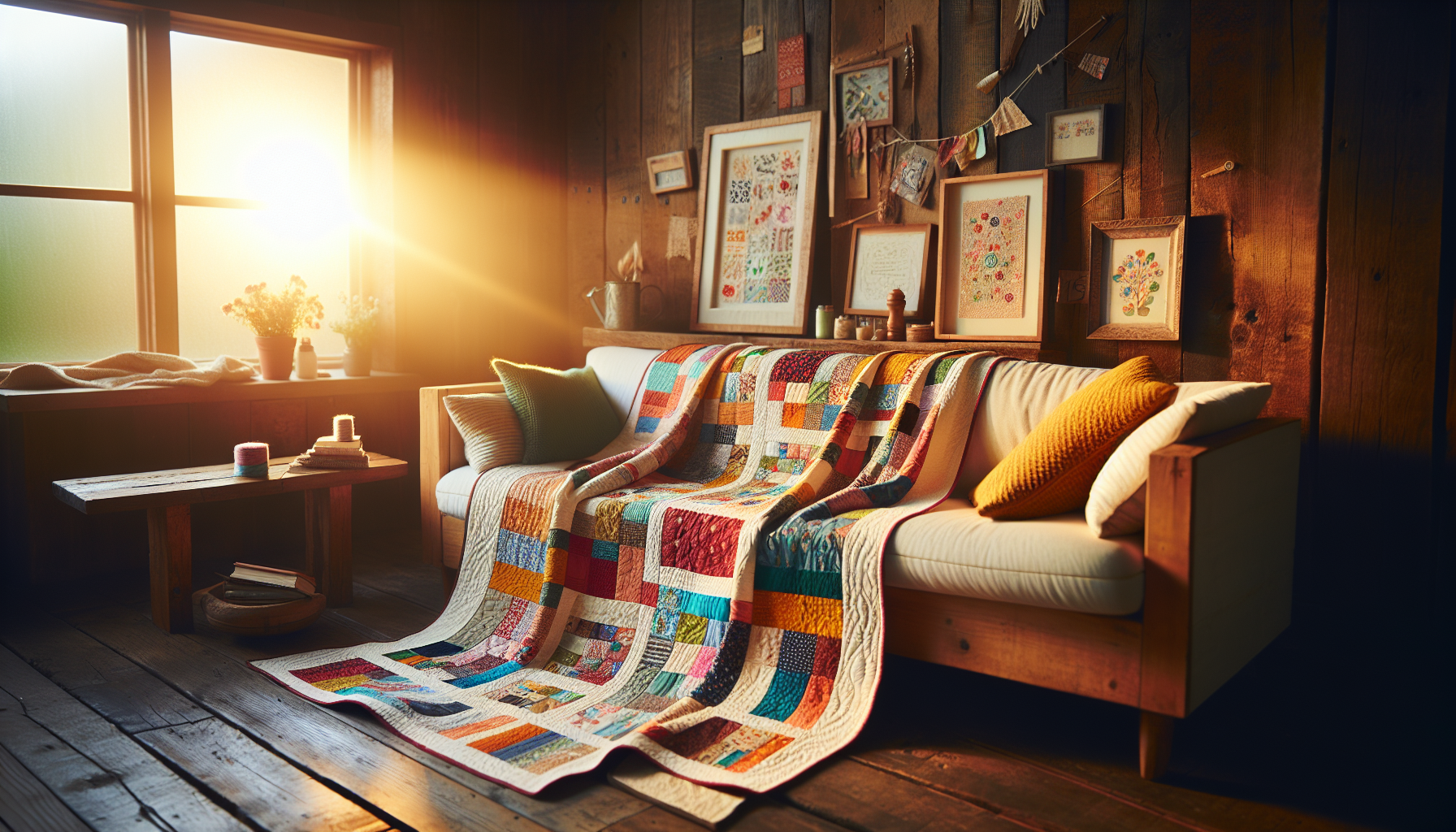
In the heart of the handmade craft movement, 'Memory Cloth' quilts are emerging as cherished artifacts, intertwining past memories with artistic skill. This article will guide you through the process of creating these sentimental quilts using family fabric scraps, offering a unique way to preserve family history while expressing creativity. Whether you're a quilting novice or a seasoned stitcher, you'll find practical advice to embark on this meaningful project, weaving together the threads of family stories with your own hands.
The importance of 'Memory Cloth' quilts extends beyond their aesthetic appeal, offering a sustainable and deeply personal way to honor family heritage. In a time where sustainability and personal expression are paramount, these quilts stand out as eco-friendly alternatives to mass-produced items. By repurposing family textiles, you're not just conserving resources but also bringing sentimental value into your daily life. The reflective process of quilt-making can enhance mindfulness, providing a sense of accomplishment and connection to one's roots.
Essential Materials to Start With
Before you begin crafting a 'Memory Cloth' quilt, gathering the right materials is crucial. Each piece of fabric you choose should hold personal significance – think back to memorable events tied to the cloth, like a wedding dress or a child’s blanket. The key is to select textiles that resonate emotionally, ensuring the finished quilt will carry the desired sentimental weight.
- Fabric Selection: Choose fabrics that are durable, easy to sew, and hold sentimental value. Cotton is a popular choice for its versatility and ease of maintenance.
- Tools: Basic quilting tools such as a rotary cutter, cutting mat, quilting ruler, and sewing machine are essential. Opt for tools that fit your budget and skill level without compromising quality.
When using family fabric scraps, clean and press them to ensure each piece is ready for sewing. Take care to avoid fabrics with excessive wear or damage, as these may not endure the quilting process. Always test a small section to determine how the fabric reacts to cutting and sewing.
Designing Your Quilt
Designing a 'Memory Cloth' quilt involves personal creativity and thoughtful arrangement. Before cutting any fabric, sketch out your design or use quilt design software to visualize the layout. Consider how different textures and colors will interact and complement each other.
- Choose a Theme: A theme can guide your fabric choices and overall design. Consider themes like 'Childhood Memories' or 'Family Celebrations' to provide coherence.
- Pattern Choice: Decide between a traditional quilt pattern or creating an original design. Patterns like the 'Log Cabin' or 'Nine Patch' offer structured guidance, while freeform designs allow for greater personalization.
Balance is key. Avoid overcrowding your quilt with too many competing patterns or colors. Instead, aim for harmony, allowing each piece of fabric to tell its story within the larger narrative.
"s legacy.'
— Quilting Expert
Sewing Techniques and Tips
The sewing process is where your quilt truly comes to life. Whether hand-sewing or using a machine, maintain consistent seams and take care with each stitch. Attention to detail will ensure a durable and visually appealing result.
- Seam Allowance: A standard seam allowance of ¼ inch is common in quilting. Consistent seam allowances contribute to a professional finish.
- Stitching Method: Decide between hand quilting for a traditional touch or machine quilting for efficiency. Both methods can produce stunning results when executed with care.
Be patient and take breaks to prevent fatigue, as quilting can be physically demanding. Frequent ironing will keep seams crisp and layers smooth, facilitating easier sewing.
Finishing Touches
Once the quilt top is completed, add batting and backing to finish your quilt. The choice of batting affects the quilt's warmth and weight, while the backing provides an opportunity to incorporate another layer of personal significance.
- Quilt Sandwich: Lay the backing fabric flat, followed by the batting, then the quilt top. Baste the layers together using safety pins or basting spray to keep them secure during quilting.
- Binding: The quilt binding seals the edges and adds a polished look. Match the binding to a color within the quilt or choose a contrasting hue for a bold finish.
Finish with a label that includes the quilt’s name, your name, and the date of completion. This touch not only personalizes the quilt but also marks it as a future heirloom.
In conclusion, creating a 'Memory Cloth' quilt is a labor of love that memorializes cherished experiences and family history. Begin with a small project if you're new to quilting, allowing yourself to develop skills and confidence. With each quilt, you'll find that the layers of fabric also layer your personal growth and creativity. Over time, these quilts become tangible family diaries, their warmth extending far beyond the physical. Embrace the journey, savoring each stitch as an opportunity to connect with your past and craft a legacy for future generations.
Further Reading
For more on this topic, explore: Eater, Healthline, Architectural Digest.