The Quiet Revival of Natural Wood Tones in 2026 Home Interiors
In the fast-paced world of interior design, trends often come and go, but some elements possess a timeless appeal that ensures they endure. The quiet revival of natural wood tones in 2026 home interiors is one such trend. This article explores the resurgence of these earthy hues, offering practical tips on how you can integrate natural wood tones into your living spaces. Whether you're enhancing a minimalist home or adding warmth to your decor, natural wood tones bring a calming balance to any environment. By the end of this guide, you'll have a comprehensive understanding of how to incorporate this enduring design choice into your own home.
Natural wood tones matter in everyday life because they offer more than just aesthetic appeal. They contribute to a grounded, serene atmosphere that promotes well-being and sustainability. With growing awareness around ecological responsibility, opting for natural wood is not only a design choice but also a conscious lifestyle decision. These tones are versatile, complementing various styles and enhancing the warmth of a space without overwhelming it. By integrating natural wood tones, you are investing in a design that will stand the test of time, ultimately saving you money and effort in continuous redecorating.
Key Elements to Start With
Integrating natural wood tones into your home doesn't require a complete overhaul. Start by identifying key areas where these elements can make the most impact.
- **Flooring**: Natural wood flooring is a foundational element that sets the tone for the entire home. Select sustainable options like bamboo or reclaimed wood for an eco-friendly choice. Their durability and timelessness make them a wise investment.
- **Accent Furniture**: Introduce pieces like a wooden coffee table or bookshelves. Look for items with unique grains or textures that can serve as focal points.
When choosing these elements, consider the existing color palette of your home. Natural wood tones pair well with neutral colors and add warmth to cooler tones. Avoid clashing hues by sampling with swatches or small pieces before committing to a larger purchase.
Styling Tips for Different Spaces
The beauty of natural wood tones lies in their versatility. Here are some ways to apply them across various rooms:
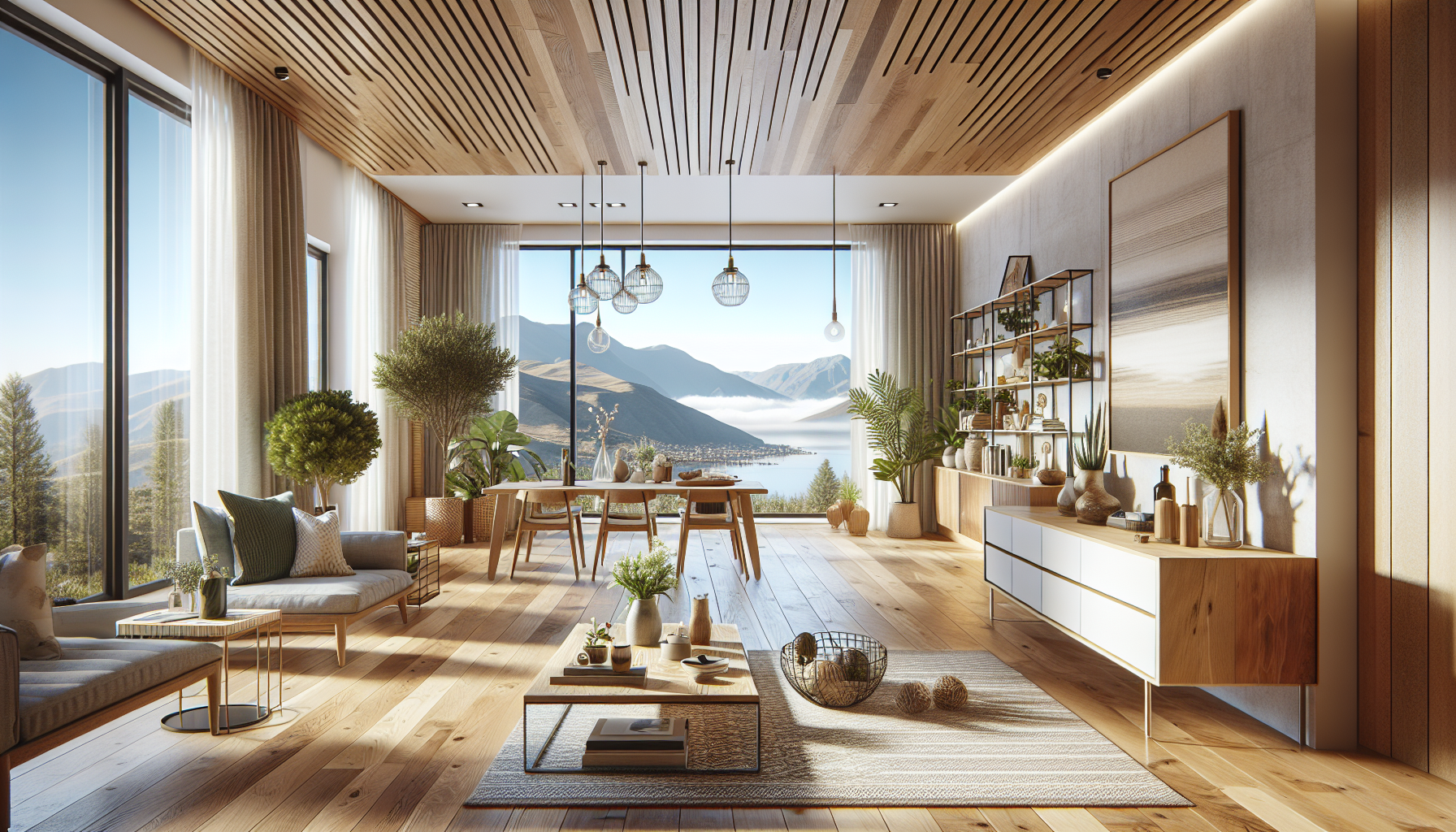
- **Living Room**: Add wooden beams to your ceiling for architectural interest. Pair them with soft textiles and cozy throws to create a welcoming ambiance.
- **Kitchen**: Incorporate wooden cabinets or a butcher block countertop. These elements blend functionality with timeless aesthetic appeal.
- **Bedroom**: Choose a wooden bed frame or nightstands. The warm tones promote relaxation, making your bedroom a true sanctuary.
Each space in your home has unique characteristics, so adapt these tips to suit your personal style. For example, in a smaller room, lighter wood tones can prevent the space from feeling cramped, while darker tones add depth and sophistication to larger areas.
Considering Seasonal Variations
Natural wood tones can seamlessly transition through the seasons. In winter, complement them with plush rugs and velvet cushions to create a cozy retreat. During summer, accent your wooden pieces with lighter fabrics and sheer curtains to maintain an airy feel.
- **Spring/Fall**: Swap out accessories to reflect the changing seasons — think floral arrangements in spring and earthy centerpieces in autumn.
These subtle changes allow your home to evolve with the seasons without needing major renovations. Embrace the natural charm of wood by letting it shine against seasonally appropriate decor.
Common Mistakes and How to Avoid Them
While natural wood tones are adaptable, there are common mistakes to avoid:
- **Overdoing It**: Balance is key. Too much wood can overwhelm a space. Offset it with textiles or painted surfaces to maintain visual interest.
- **Ignoring Maintenance**: Wood requires care. Regularly clean and treat your wooden elements to preserve their natural beauty and longevity.
By being mindful of these potential pitfalls, you ensure that your design choices remain intentional and elegant. Regular maintenance of your wooden elements not only enhances their appearance but also extends their lifespan, making them a lasting part of your home.
Further Reading
For more on this topic, explore: Dezeen, Eater, Architectural Digest.