The Quiet Influence of Japanese Kokedama on Living Plant Art
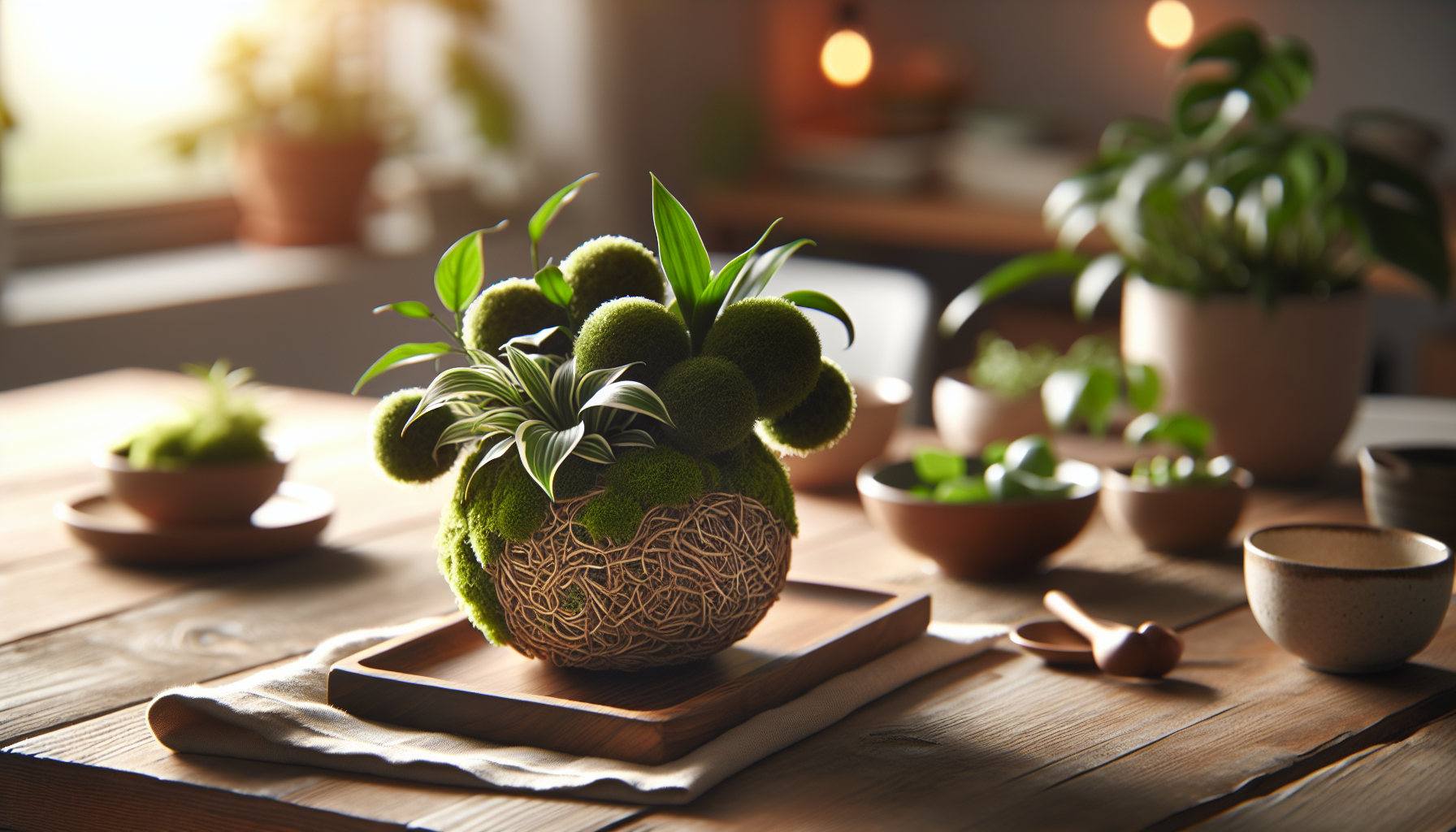
In recent years, the ancient Japanese art of Kokedama, or "moss ball," has quietly become a favorite in the world of living plant art. This unique style involves wrapping a plant's root ball in moss and suspending it or placing it on a decorative surface. Perfect for those seeking to incorporate more greenery into their homes, Kokedama offers an elegant, minimalist aesthetic that harmonizes with any decor. In this article, we'll explore how Kokedama can transform your living space into a tranquil, natural sanctuary, while also providing practical steps to create your own Kokedama garden.
Adopting the practice of Kokedama in your home gardening routine offers more than just aesthetic appeal. It's a mindful activity that encourages a sustainable approach to plant care, provides a calming influence, and utilizes small space effectively. For urban dwellers or those with limited outdoor space, Kokedama is an ideal way to bring a bit of nature inside, promoting a sense of peace and well-being without requiring a full garden plot.
Essential Materials to Start Your Kokedama Project
Creating Kokedama requires only a few materials, many of which might already be available in your gardening toolkit. Understanding what each component does will help you choose the right materials for your projects.
- Moss: The main component of Kokedama, moss both holds moisture and gives the ball its signature look. Sphagnum moss is often preferred for its excellent water retention.
- Potting Mix: Use a mix that suits your plant choice; succulents may need a well-draining mix, while ferns thrive in moisture-retentive soil.
- Twine or String: Used to secure the moss around the soil ball, twine comes in various natural fibers that blend well with the organic look of Kokedama.
- Plants: Choose plants that suit indoor conditions; hardy varieties like ferns, ivy, or small flowering plants work well.
When selecting plants, consider their light and water needs to ensure they thrive in the Kokedama form. Avoid placing them in direct sunlight if they are shade-loving species. Remember, the goal is to create a sustainable and visually pleasing environment.
Step-by-Step Guide to Crafting Kokedama
Starting your own Kokedama is a rewarding process that engages both creativity and horticulture skills. Here’s a straightforward guide:
- Prepare the Soil Ball: Mix the potting soil with some clay to help form a solid ball that holds shape.
- Shape the Ball: Wet the soil-clay mixture and form it around the plant’s roots, ensuring it’s compact and spherical.
- Wrap with Moss: Soak moss in water, then wrap it around the soil ball. Ensure it covers the entire surface to retain moisture.
- Secure with Twine: Wrap twine or string around the moss, gently but firmly, to hold everything in place. Leave extra twine if you wish to hang the Kokedama.
Ensure your Kokedama is tightly bound to prevent soil from spilling. Patience is key during this process; a well-made Kokedama can last a long time with proper care.
Caring for Your Kokedama
Maintaining a healthy Kokedama requires an understanding of balance in watering and light exposure. Here are some tips:
- Watering: Submerge the moss ball in water when it feels dry. Let it soak up moisture until bubbles cease, then gently squeeze out excess water before rehanging or placing.
- Light: Position your Kokedama in indirect sunlight unless your plant has specific light requirements.
- Humidity: Increase humidity around your Kokedama if you notice the moss drying out too quickly. A small humidifier can be helpful in arid climates.
Regular observation will help you adjust care routines. Over time, you’ll learn to read the cues each Kokedama gives, such as color changes in moss or drooping leaves.
"" — Gardening Enthusiast
Creative Display Ideas for Kokedama
Once you've crafted your Kokedama, how you display them can accentuate your home’s aesthetic. Here are some inspiring ideas:
- Hanging Gardens: Suspend multiple Kokedama at varying heights for a dynamic, floating garden effect.
- Tabletop Arrangements: Group Kokedama on a decorative tray or a natural surface like a piece of driftwood for a cohesive centerpiece.
- Wall Displays: Use hooks or a specially designed grid to create a living wall that transforms any bare space.
Consider seasonal variations for your display. During the holidays, add subtle decorations like natural twine or small ornaments to add festive cheer without overwhelming the simplicity of the Kokedama.
Incorporating Kokedama into your living space is a delightful way to engage with nature and enhance your home’s atmosphere. Whether you start with a single plant or a collection, these living art pieces will grow with you, adding a touch of tranquility and beauty to your everyday environment. Begin with one or two Kokedama, observe their growth, and adapt your care routine as you go. Over time, this practice can lead to a more peaceful living space, less stress, and a greater appreciation for the natural world. Explore different plant varieties and display options to create a personalized garden that reflects your style and space, all while contributing positively to your home environment.
Further Reading
For more on this topic, explore: Healthline, Eater, Bon Appétit.