The Hidden Impact of Migration on Everyday Home Decor Styles
In our increasingly interconnected world, the migration of people brings more than just diversity in culture; it profoundly influences everyday home decor styles. This article explores how migration shapes our interiors by introducing new aesthetics, materials, and techniques that homeowners can integrate for a more eclectic, personalized living space. Readers will gain insights into how global migration trends can inspire their decor choices, offering them a unique opportunity to blend tradition with innovation.
Understanding the impact of migration on home decor is not just about appreciating different cultures; it's about leveraging these influences to create spaces that are both visually appealing and functionally diverse. By incorporating elements from various cultures, homeowners can enjoy a more vibrant and dynamic environment. This approach not only enhances the aesthetic appeal of a home but also reflects a deeper appreciation for the stories and traditions that shape our world.
Essential Influences to Start with
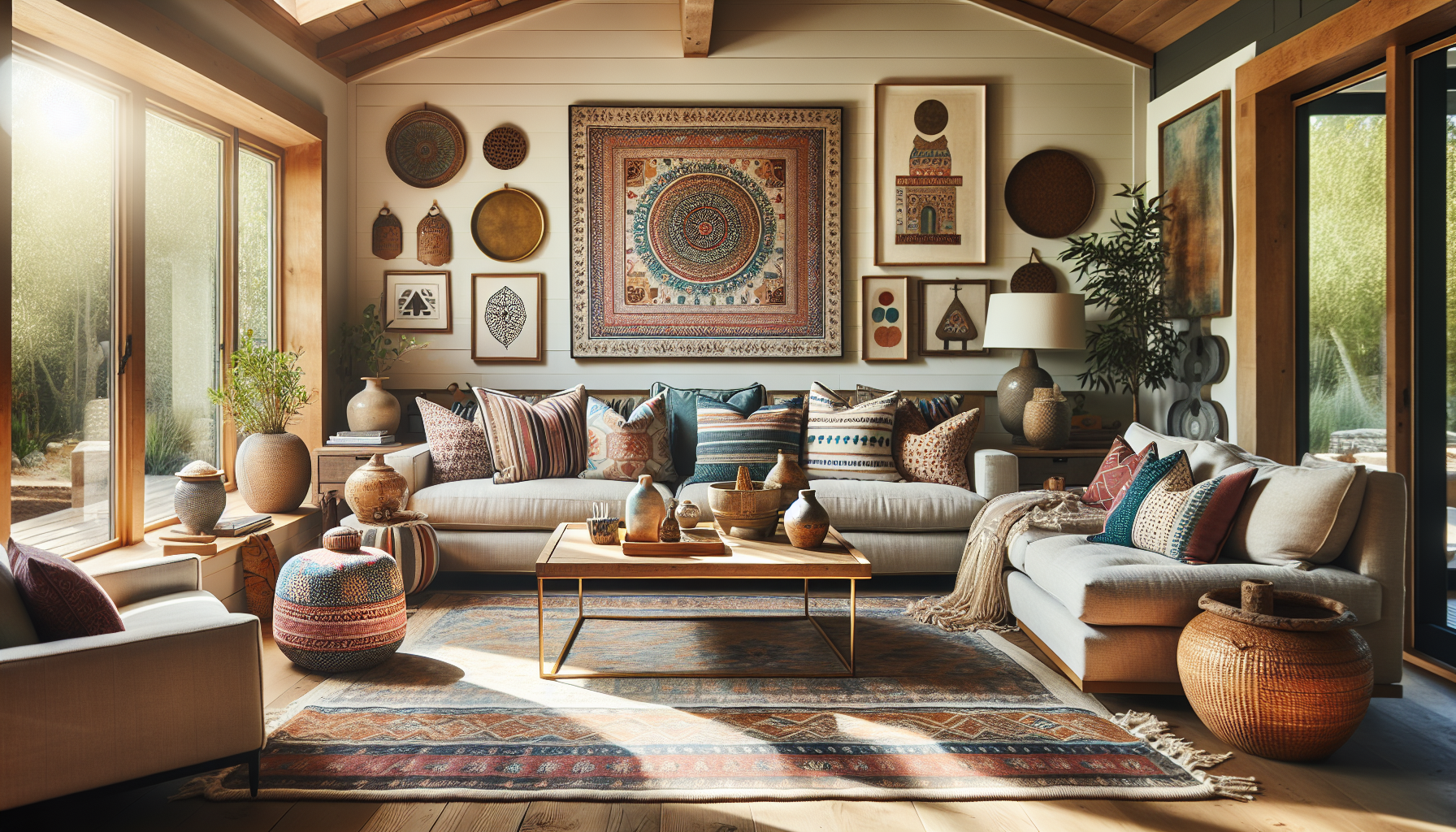
Migrant influences can be seen in the use of bold colors, unique patterns, and traditional craftsmanship. By integrating these elements into home decor, you can achieve a rich, layered look that tells a story of global unity and personal identity.
- Color Palette Choices: Embrace colors that are significant in different cultures such as the vibrant reds and golds from Asia or the deep blues and whites from Mediterranean regions. These colors can bring warmth and depth to any room.
- Textiles and Fabrics: Consider using hand-woven rugs from the Middle East or silk throws from India to add texture and comfort. These textiles not only enhance the visual appeal but also add a tactile dimension to your decor.
When selecting these items, consider their origin and the story they carry. Avoid over-cluttering; instead, choose a few key pieces that complement each other. For instance, a Moroccan rug can serve as a statement piece in an otherwise minimalist room.
Integrating Traditional Craftsmanship
Craftsmanship from various cultures can significantly enhance the uniqueness and authenticity of your home’s interior design. Traditional techniques often bring a level of detail and quality that mass-produced items cannot match.
- Furniture and Woodwork: Incorporate pieces with intricate carvings from Africa or Japan's minimalist wooden furniture. These items are not only functional but also serve as conversation starters.
- Ceramics and Pottery: Use ceramics from regions like Mexico or China to add character and charm. Whether as functional kitchenware or decorative pieces, they bring a handmade feel that’s increasingly rare in modern interiors.
To maintain a cohesive look, balance these elements with modern decor. This approach ensures that the traditional craftsmanship stands out while not overwhelming the space. Consider mixing and matching different styles to find a combination that resonates with your personal taste.
"A longtime interior designer states: 'Home decor should be a reflection of your experiences and influences, pieced together like a well-traveled map.'"— Interior designer
Adapting to Seasonal Changes
Migration’s impact on decor often includes adaptability to various climates and seasons. Understanding how to adjust your home's interior seasonally can make it more comfortable and inviting year-round.
- Seasonal Textures: Opt for lightweight materials such as cotton or linen in warmer months, and switch to heavier fabrics like wool during winter. These changes not only align with seasonal comfort but also introduce a fresh look every few months.
- Lighting Adjustments: Use lamps and candles from different cultures to create varied lighting effects. Moroccan lanterns, for instance, can add warmth during colder seasons, while simple, clean lighting from Scandinavian designs can brighten up summer days.
Experiment with different setups to see what works best for your space and climate. Consider storage solutions that make seasonal transitions easier, such as decorative baskets for textiles or modular furniture that can be easily rearranged.
Finding Balance and Avoiding Common Mistakes
While integrating migrant influences, it’s crucial to find a balance that reflects your personal style without creating a cluttered or disjointed look.
- Avoid Over-theming: Incorporating too many elements from a single culture can make a space feel themed rather than thoughtfully eclectic. Aim for a harmonious blend where each piece complements the others.
- Consider Scale and Proportion: Ensure that the size of decor elements fits your space. Large pieces can overwhelm small rooms, while tiny details might get lost in larger areas.
To avoid these pitfalls, start with a neutral base and gradually introduce international elements. This method allows for flexibility and ensures that your decor evolves with new experiences and influences.
Further Reading
For more on this topic, explore: Bon Appétit, Eater, Dezeen.