The Gentle Art of Repair: Kintsugi-Inspired Practices in Modern Ceramics
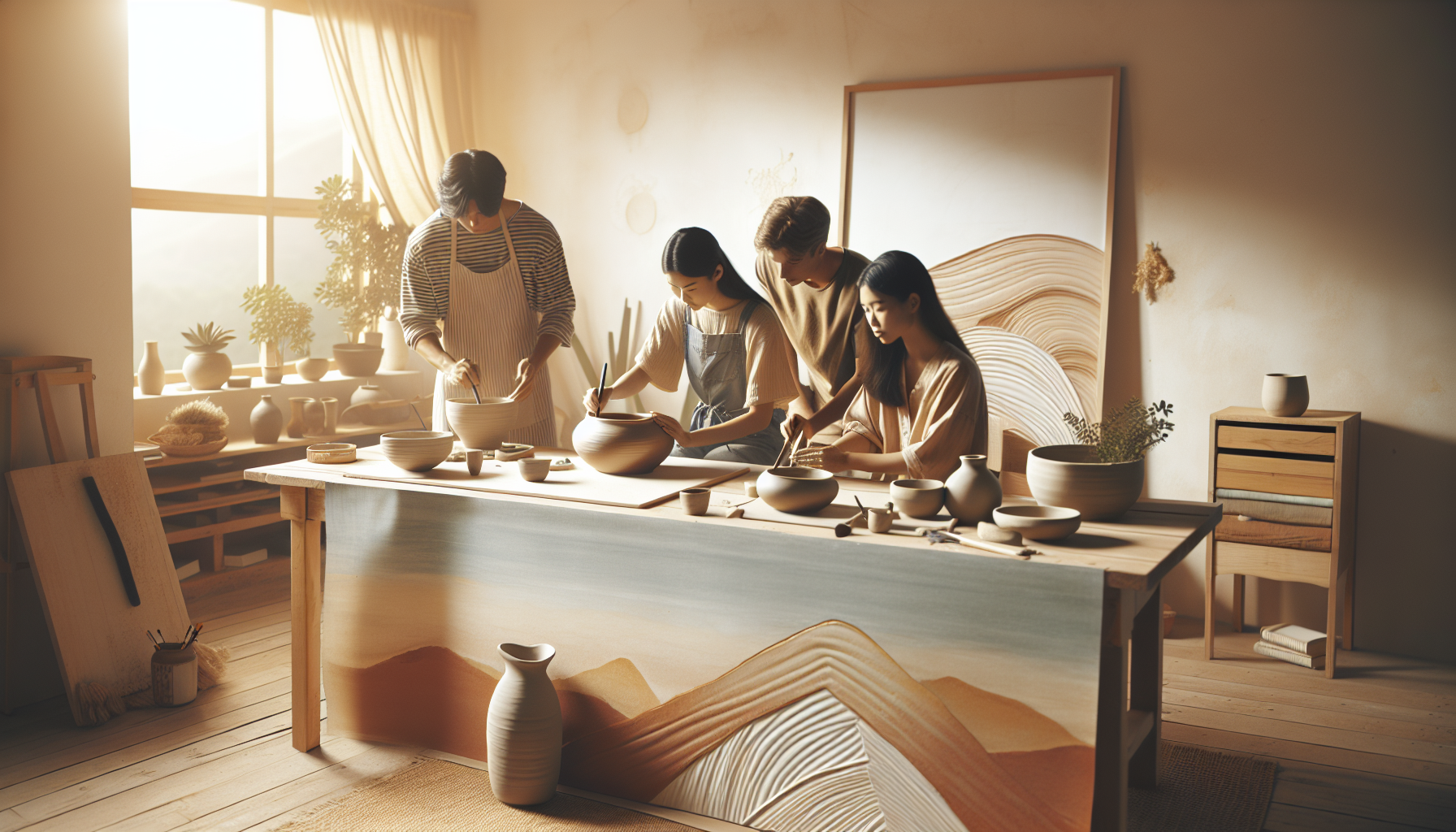
In a world that often chases the new and the perfect, the ancient Japanese art of Kintsugi offers a refreshing perspective: embracing the beauty of imperfection. This centuries-old technique, which involves mending broken pottery with lacquer mixed with powdered gold, silver, or platinum, is more than just a method of repair. It's a philosophy that celebrates flaws and history, transforming the broken into the beautiful. In this article, we'll explore how Kintsugi-inspired practices can be applied to modern ceramics, breathing new life into your treasured pieces while cultivating a mindset that values resilience and creativity.
The appeal of Kintsugi lies not only in its aesthetic grace but also in the profound message it conveys. In our fast-paced, throwaway culture, taking the time to repair rather than replace offers sustainable benefits and cultivates mindfulness. By engaging in this gentle art, you can enjoy the satisfaction of repurposing and enhancing your ceramics, turning once-discarded items into conversation starters. Whether you're reviving a chipped teapot or a cracked vase, these techniques can enrich your home with unique pieces that tell a story, all while reducing waste and fostering a sustainable lifestyle.
Essential Tools and Materials to Begin with Kintsugi
To start your journey into the art of Kintsugi, you'll need a few fundamental tools and materials. These items are not only essential for repairing ceramics but also for achieving the characteristic Kintsugi finish that highlights imperfections with elegance.
- Epoxy Resin: This acts as the adhesive to bond broken pieces. Choose a clear-drying resin for a seamless look.
- Gold Powder: Genuine gold can be costly, so consider using gold mica powder or gold paint for an economical alternative that still offers stunning results.
- Paintbrush: A fine brush allows for precise application of gold powder over the resin, outlining the cracks beautifully.
- Sandpaper: Use fine-grit sandpaper to smooth over any rough edges or excess resin, ensuring a polished finish.
When selecting your materials, consider their quality and the finish you desire. Mistakes to avoid include overusing resin, which can create unsightly bulges, and applying gold powder unevenly, which detracts from the visual harmony. Practice patience and precision to achieve the best outcomes.
Step-by-Step Kintsugi Process
Following a structured approach is key to mastering Kintsugi. Here’s a simple guide to get you started:
- Clean and Prepare: Gently clean the broken pieces of your ceramic item to remove dust and debris. Lay out the pieces on a clean surface.
- Mix and Apply Resin: Prepare your epoxy resin according to the package instructions. Apply it thinly to one side of the broken piece using a toothpick or small brush.
- Join and Secure: Carefully align and press the pieces together. Use masking tape to hold them in place as the resin cures, typically for at least 24 hours.
- Highlight with Gold: Once the resin is fully set, apply gold powder or paint along the seams. Use your fine brush to ensure even coverage.
- Finish and Polish: After the gold detailing dries, lightly sand any rough areas. Buff the surface to enhance the shine and overall finish.
Take your time with each step, especially when aligning pieces and applying gold. Attention to detail here will result in a stunning and durable repair.
"The beauty of Kintsugi lies in its acceptance of imperfection. It teaches us to cherish flaws as part of our history."
— Ceramics Artisan
Alternative Uses and Creative Variations
Beyond traditional ceramics, Kintsugi techniques can be adapted to various creative projects. Here are some ideas to inspire your next artistic endeavor:
- Glassware: Apply Kintsugi to chipped or cracked glass items, using silver powder for a striking contrast against clear surfaces.
- Mixed-Media Art: Incorporate Kintsugi lines into paintings or sculptures, blending materials like wood or metal for modern interpretations.
- DIY Jewelry: Transform broken ceramic pieces into unique jewelry, accentuating fractures with gold for a bespoke accessory line.
These variations not only expand the potential of Kintsugi but also allow for personal expression. Experiment with different materials and color palettes to create pieces that resonate with your aesthetic.
Common Pitfalls and How to Avoid Them
While Kintsugi is accessible to beginners, there are common challenges to be aware of. Avoiding these pitfalls can enhance both the process and the result:
- Rushing the Process: Allow adequate time for resin to cure fully before proceeding to the next step. Skipping this can lead to weak bonds and misalignment.
- Overworking the Gold Detail: Apply gold sparingly and with intention. Excessive handling can dull the finish.
- Inconsistent Aesthetic: Maintain a balance between highlighting flaws and preserving the original beauty of the piece.
Approaching each project with patience and a clear vision will ensure your repairs are both beautiful and enduring.
Kintsugi offers a meaningful way to engage with your ceramics, transforming the act of repair into an art form. By starting with one or two pieces, you can gradually develop your skills and appreciation for this timeless practice. Over time, you'll find that these mindful repairs not only revive cherished items but also contribute to a more sustainable and intentional lifestyle. Embrace the imperfections in your ceramics as opportunities for creativity and reflection, and enjoy the unique beauty that Kintsugi brings to your home.
Further Reading
For more on this topic, explore: Dezeen, Architectural Digest, Eater.