The Art of 'Memory Fragment' Assemblages: Connecting with Family Through Found Objects
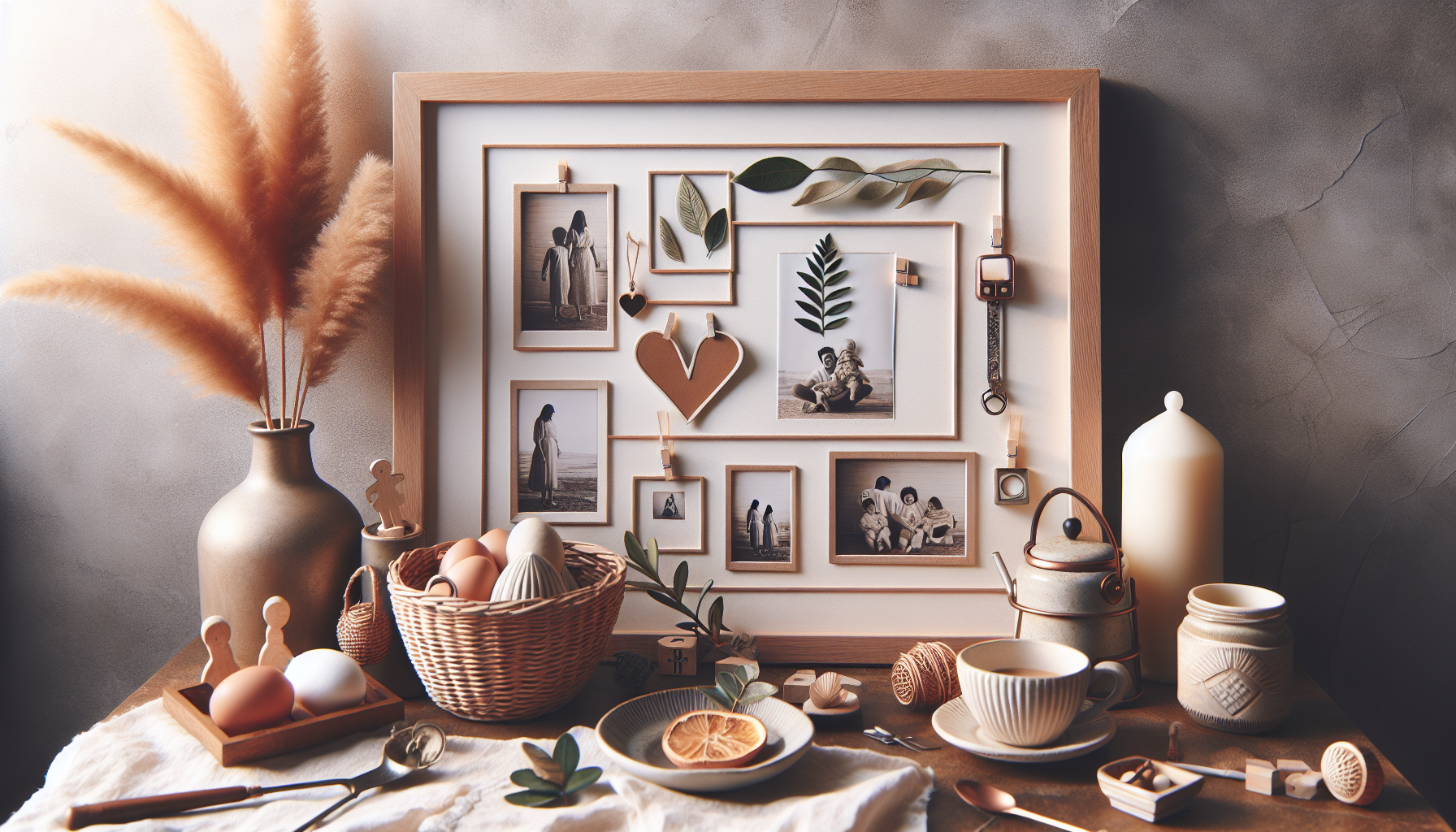
In a world increasingly driven by mass production and digital interactions, the nostalgia for tangible connections is blooming. Enter the trend of 'Memory Fragment' assemblages using found family objects. This creative endeavor isn't just about crafting a piece of art; it's about weaving a tapestry of past experiences, emotions, and stories into your everyday environment. This article will guide you through the process of creating these unique assemblages, offering insights into how they bring sentimental value into your home.
Incorporating memory fragments into your decor offers more than just aesthetic appeal. These assemblages serve as daily reminders of cherished moments and connections, helping to build a personalized sanctuary amid the hustle and bustle of daily life. Whether you're looking to save time by focusing on a few key pieces or aiming to enhance your home's sustainability by reusing what you already have, this approach provides a meaningful way to rejuvenate your living space.
Essential Steps to Begin Your Memory Fragment Assemblage
Creating a memory fragment assemblage involves curating a collection of objects that hold personal significance. The beauty of this process is that there are no strict rules—each assemblage is as unique as the individual creating it. Here's how to get started:
- Identify Meaningful Objects: Begin by gathering items that resonate with personal memories or family history. This could include heirlooms, old letters, photographs, or even small trinkets collected over the years.
Choosing the right objects is crucial. Reflect on why each piece is significant and how it contributes to your story. Avoid the pitfall of selecting too many items, which can lead to a cluttered look. Instead, focus on quality over quantity.
Designing Your Assemblage
Once you've selected your objects, it's time to design your assemblage. Consider the visual balance and emotional impact of each piece. Arrange your objects in a way that tells a story, experimenting with different layouts until you find one that resonates with you.
- Use Varied Textures: Mixing different textures can add depth and interest to your assemblage. Pair soft items like fabrics or feathers with harder elements like metal or wood for a balanced composition.
Position larger items as focal points and use smaller objects to support the overall narrative. Be mindful of color schemes, as they can enhance the mood and thematic consistency of your assemblage.
"Creating with found objects offers a personal touch that mass-produced items can't replicate. It's about seeing beauty in what already exists."
— Interior Design Specialist
Incorporating Seasonal Variations
To keep your assemblage fresh and engaging throughout the year, consider incorporating seasonal elements. This can be as simple as adding small, seasonal decorations or rotating certain objects to match the season's mood.
- Spring and Summer: Add dried flowers or pastel-colored items to evoke a light, airy feel.
- Fall and Winter: Incorporate warm-toned elements like pine cones or small candles to create a cozy atmosphere.
Seasonal updates not only keep your decor lively but also provide an opportunity to reflect on the passage of time and the changes it brings to your life.
Common Mistakes and How to Avoid Them
While the process of creating a memory fragment assemblage is highly personal, there are some common pitfalls to watch out for:
- Avoid Overcrowding: An assemblage should tell a clear story. Too many elements can dilute its impact. Aim for a thoughtful selection of items that each hold significant meaning.
- Neglecting Maintenance: Dust and wear can detract from the beauty of your assemblage. Regularly clean and occasionally refresh your display to keep it looking its best.
Remember, the goal is to create a meaningful visual narrative, not just a collection of objects.
Further Reading
For more on this topic, explore: Bon Appétit, Architectural Digest.