How Minimalist Production Design Is Reshaping Period Pieces
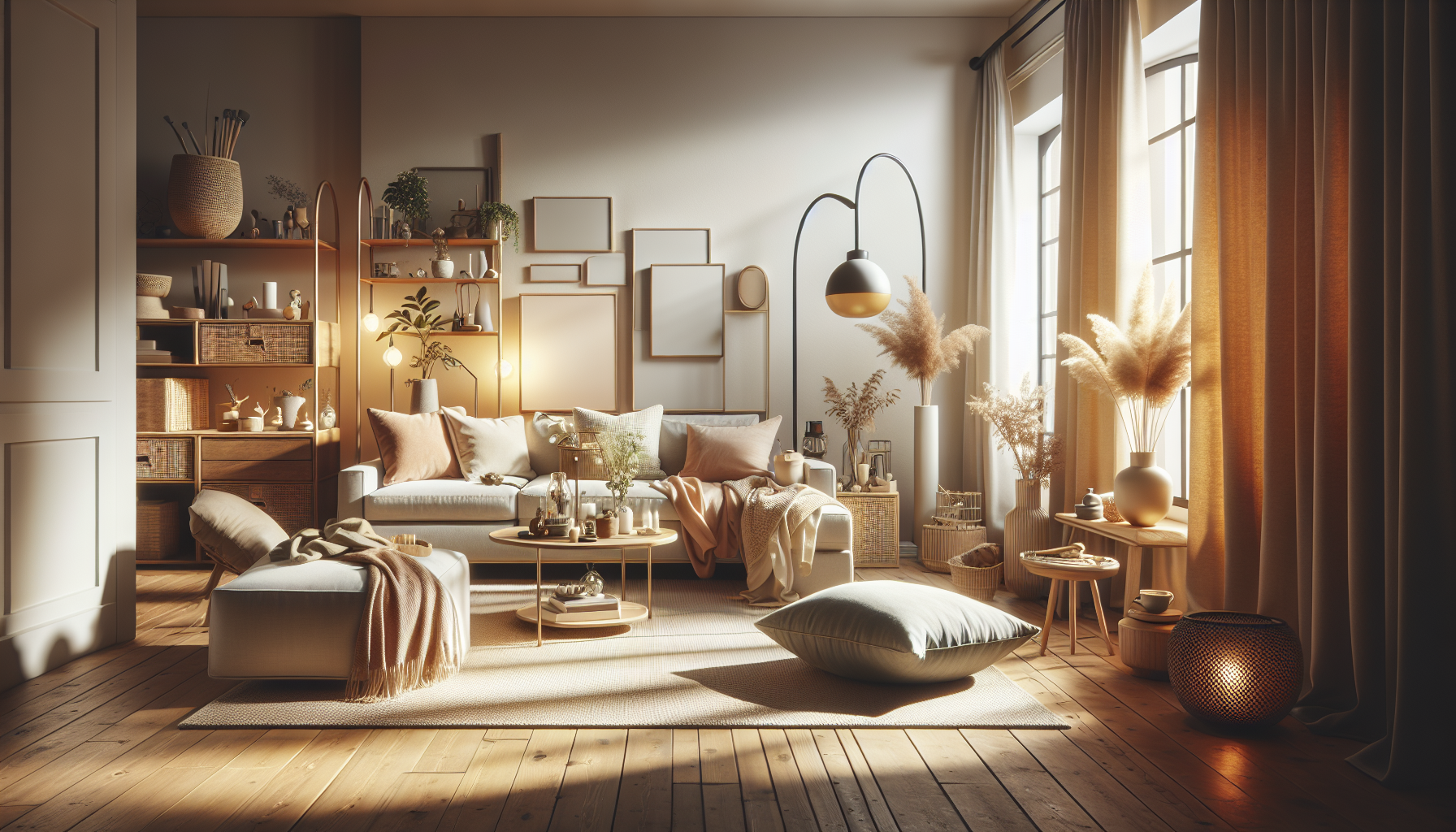
In recent years, minimalist production design has emerged as a transformative force in the world of period pieces, offering a fresh perspective on historical storytelling. As audiences become more discerning and environmentally conscious, the trend towards minimalism is reshaping how filmmakers approach set design, balancing authenticity with simplicity. This article delves into how minimalist production design is redefining period pieces, exploring the practical benefits it brings to filmmakers and audiences alike.
The appeal of minimalist production design lies in its ability to elevate storytelling by focusing on essential elements. By stripping away unnecessary embellishments, creators can direct viewers' attention to the narrative and characters, creating a more immersive experience. This approach not only saves time and resources but also aligns with sustainable practices, making it a significant trend in modern filmmaking.
Embracing the Essence: Key Elements of Minimalist Production Design
Minimalist production design in period pieces centers around capturing the essence of the era without overwhelming the viewer with excessive details. This focus on essentials ensures that each element serves a purpose, contributing to the overall atmosphere and storytelling.
- Selective Props: Choosing props that truly reflect the period's essence helps maintain authenticity while avoiding clutter.
- Muted Color Palettes: Utilizing softer, historically accurate colors can evoke the era's mood without detracting from the story.
- Strategic Lighting: Smart lighting choices can highlight important features of the set, enhancing focus on character-driven narratives.
By focusing on these elements, creators can achieve a balance between historical accuracy and modern aesthetic sensibilities. This approach not only simplifies production but also offers a fresh take on familiar historical themes.
Sustainable Practices in Minimalist Design
Sustainability is a crucial consideration in today's production design, and minimalism naturally complements eco-friendly practices. By reducing the number of materials used in set construction, filmmakers can significantly decrease their environmental footprint.
- Recycled Materials: Using reclaimed wood or vintage fabrics aligns with the period's authenticity while promoting sustainability.
- Multi-functional Spaces: Designing sets that serve multiple purposes reduces waste and emphasizes resourcefulness.
These practices not only contribute to a more sustainable production process but also resonate with audiences who prioritize environmental responsibility, enhancing the film's appeal and marketability.
"In minimalist production design, every element must justify its presence, making it a powerful tool for storytelling in period pieces."
— Industry Professional
Challenges and Solutions in Minimalist Period Design
While the minimalist approach offers numerous advantages, it also presents unique challenges, particularly in maintaining historical authenticity. Achieving this balance requires careful planning and attention to detail.
- Research and Expertise: Engaging historians or period experts can help ensure that essential elements are accurately represented.
- Creative Problem Solving: Finding innovative ways to depict complex historical contexts with limited resources can lead to more engaging and focused storytelling.
By embracing these strategies, filmmakers can overcome potential pitfalls, ensuring their minimalist designs remain true to the spirit of the period while captivating modern audiences.
Real-world Applications and Success Stories
Several successful period pieces have embraced minimalist production design to great effect, illustrating the approach's versatility and appeal.
- "The Crown": By focusing on key locations and cost-effective designs, the series maintains historical accuracy while delivering high production value.
- "Emma": The film utilizes a minimalistic aesthetic to accentuate the character-driven narrative, allowing for a fresh take on a classic tale.
These examples demonstrate how minimalist design can enhance storytelling, proving that less can indeed be more when done thoughtfully.
In closing, minimalist production design represents a significant shift in how period pieces are crafted, offering filmmakers a practical, sustainable, and aesthetically pleasing approach to storytelling. By starting small and focusing on essential elements, creators can experiment with minimalist principles, gradually transforming their productions into compelling narratives that resonate with contemporary audiences. This trend not only aligns with sustainable practices but also provides a fresh perspective on historical storytelling, making it a valuable addition to any filmmaker's toolkit.
Further Reading
For more on this topic, explore: Dezeen, Bon Appétit, Eater.