How Indoor Plant Grouping Is Evolving Into Living Art Installations
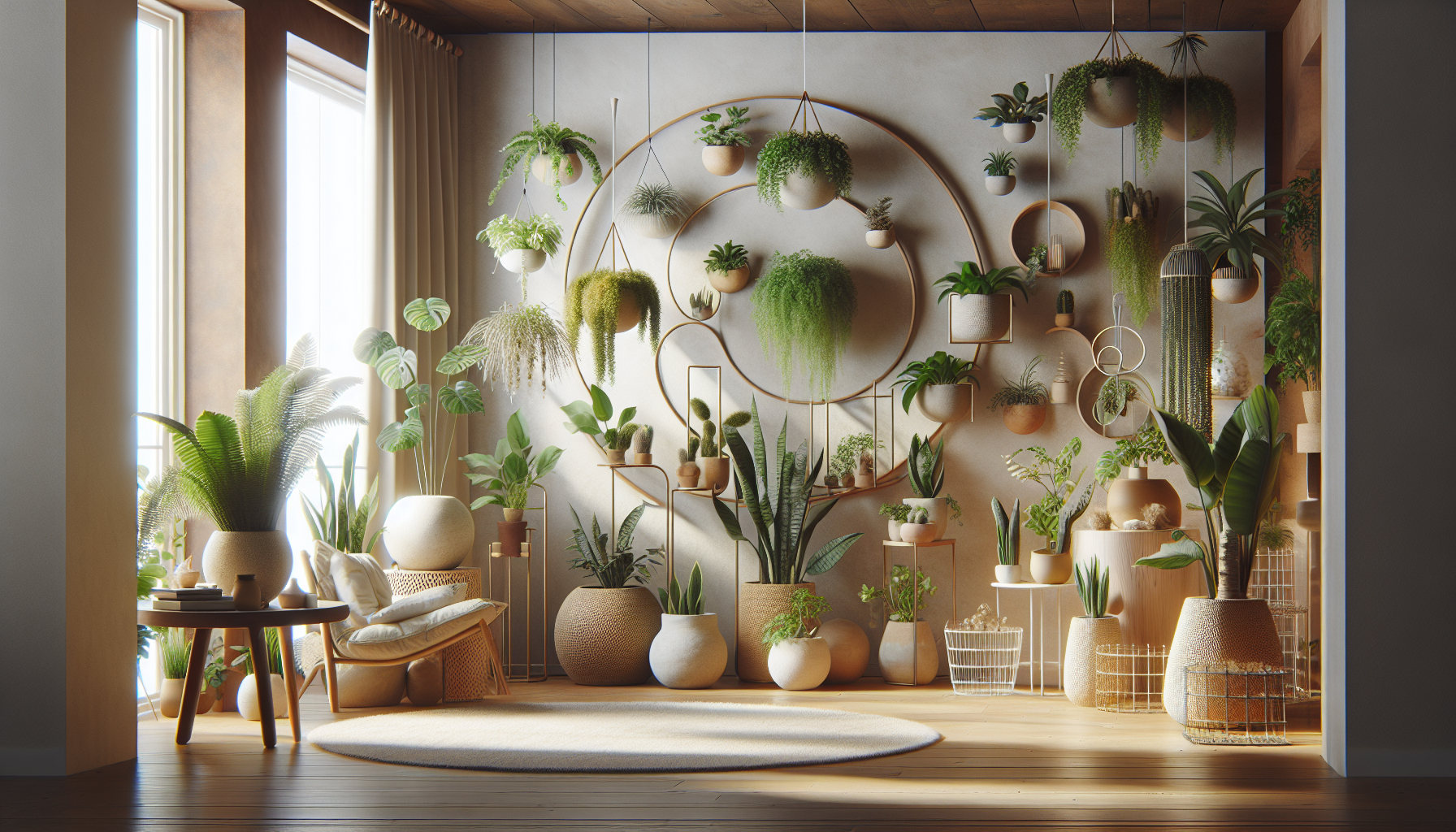
The houseplant is no longer furniture. For a generation of urban apartment dwellers, indoor plants have migrated from decorative afterthought — the fiddle-leaf fig in the corner, the succulent on the bathroom shelf — to the primary medium of interior expression. Groupings of ten, twenty, or thirty plants, arranged with the compositional logic of a gallery installation, have become a defining aesthetic of a particular kind of domestic space: saturated in green, deliberately layered, photographically compelling, and increasingly backed by a well-capitalised direct-to-consumer industry.
The Market Infrastructure
The Sill, the New York-based direct-to-consumer plant retailer founded in 2012 by Eliza Blank, reached a valuation of over $100 million in its 2021 funding round, according to reporting by Business Insider. The company sells plants — from $10 succulents to $400 statement specimens — alongside branded pots, potting mix, and plant care subscriptions, positioned explicitly as a lifestyle brand rather than a garden centre. Its branding, packaging, and editorial content (extensive care guides, a blog, email newsletters) are targeted at urban millennials who have adopted plant care as a wellness practice.
Bloomscape, the Detroit-based competitor founded in 2018, ships larger statement plants directly to consumers with pre-potted packaging designed to survive freight delivery. Its Proven Winners programme guarantees plants for 30 days after delivery — addressing the anxiety that many online plant buyers feel about receiving a specimen they cannot inspect in person. Bloomscape raised $15 million in Series B funding in 2021.
The US houseplant market broadly has grown from approximately $1.7 billion in 2019 to over $2.5 billion by 2022, according to the Garden Center Group, driven significantly by pandemic-era home investment and a sustained interest in biophilic interiors.
The NASA Clean Air Study and What It Actually Says
The NASA Clean Air Study, conducted in 1989 by Dr. B.C. Wolverton in collaboration with the Associated Landscape Contractors of America, is the most cited research in the houseplant literature. The study found that certain plant species — including peace lily (Spathiphyllum), Boston fern (Nephrolepis exaltata), spider plant (Chlorophytum comosum), English ivy (Hedera helix), and several dracaena species — removed measurable quantities of volatile organic compounds (VOCs) including benzene, formaldehyde, and trichloroethylene from sealed test chambers.
The study's findings have since been recontextualised by subsequent research. A 2019 analysis published in the Journal of Exposure Science & Environmental Epidemiology calculated that you would need between 10 and 1,000 plants per square metre of floor space to achieve the air quality impact equivalent to simply opening a window. The practical air-purification claim is therefore modest. This does not diminish the genuine physiological benefits of plants in interior spaces — there is robust evidence for their effects on stress reduction, attention restoration, and humidity regulation — but it reframes the question from "purification" to "presence."
The Plantfluencer Ecosystem
Instagram accounts devoted to dense, artfully arranged indoor plant collections have accumulated millions of followers. Summer Rayne Oakes (@summerrayneoakes), a Brooklyn-based environmentalist and plant collector, maintains over 700 plants in her apartment and has documented her collection in her book How to Make a Plant Love You (Workman, 2019). Her account, with over 200,000 Instagram followers, helped define the aesthetic of the serious urban plant collection: not a single specimen but an ecosystem, with plants at every height, in varied containers, grouped by moisture requirements and light exposure.
The vocabulary of the "plant parent" — the person who treats their collection with the attention and emotional investment traditionally reserved for pets or children — emerged from this community and has been adopted by mainstream media and marketing with notable speed. It signals a relationship to plants as entities with individual needs and characters rather than static objects.
Designing the Living Installation
Interior designers who work specifically with plant styling treat groupings according to the same compositional principles as any other visual arrangement: varied height (tall floor specimens, mid-level shelf plants, trailing varieties at table edge, small specimens in high-placed pots), varied texture (large smooth leaves against fine ferny foliage), and the deliberate use of negative space to prevent the arrangement from reading as undifferentiated mass.
Pot material and colour are treated as carefully as the plants themselves. Terracotta's warm earth tones and porous breathing quality make it the material of choice for collectors with Mediterranean and tropical specimens; matte ceramic in neutral tones suits minimalist interiors; woven basket planters (typically with a plastic liner) bridge the organic and the domestic. The pot as designed object has become a specific design category, with ceramicists producing plant vessel collections as intentionally as any other homewares line.