Why Slow-Cooked Family Recipes Are Outlasting Fast Food Trends
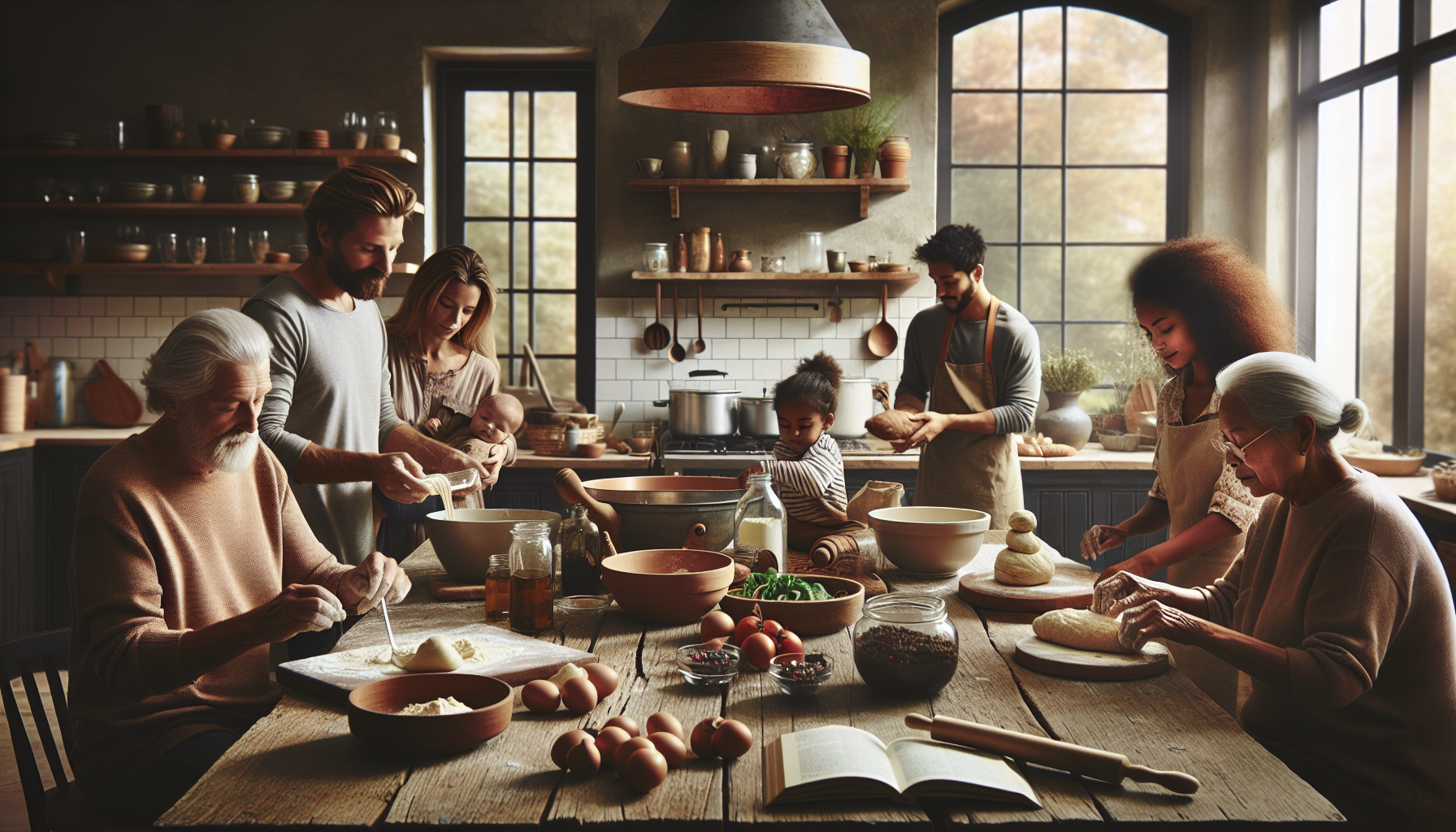
The slow-cooked family recipe occupies a specific position in the contemporary food landscape: it is the thing that persists when everything else has moved on. Food trends arrive, generate social media content, are absorbed into restaurant menus, achieve mass-market saturation, and fade. The dish that someone's grandmother made on Sundays does none of these things. It simply continues, passed from hand to hand through the specific and un-replicable channel of family memory.
The Cookbooks That Shaped the Conversation
Samin Nosrat's Salt Fat Acid Heat (Simon & Schuster, 2017), winner of five James Beard Foundation Awards and the basis for a Netflix series, made an argument that resonated precisely because it cut against the trend cycle: rather than recipes, it taught principles. Its four elements — salt, fat, acid, heat — are the foundations of every serious home cooking tradition in the world. Understanding them frees the cook from recipe dependence and enables the kind of intuitive, ingredient-driven cooking that characterises family food cultures in which recipes were never written down. The book has sold over 1 million copies in the US alone.
Yotam Ottolenghi's influence on home cooking since Plenty (2010) and the subsequent books produced with Sami Tamimi and Ixta Belfrage is difficult to overstate. Ottolenghi's practice — rooted in the layered, herb-and-spice traditions of Middle Eastern cooking — introduced a generation of British and American home cooks to flavour complexity built through slow processes: long-marinated proteins, spiced and then rested, braised for hours, finished with a sharp element that lifts the whole. This is not fast food logic. It is, structurally, the same logic as the family slow-cook: time as an ingredient, patience as technique.
The Data on Slow Cooking Equipment
The slow cooker — the Crock-Pot and its equivalents — experienced a documented sales resurgence during the 2010s. NPD Group data published in 2018 showed slow cooker sales in the US had grown 14 percent over the previous decade, driven by millennials entering family-formation life stages and seeking hands-off cooking methods compatible with working-parent schedules. By 2020, the pandemic combined with renewed interest in comfort food drove another spike: Hamilton Beach, one of the market leaders, reported record slow cooker sales in both 2020 and 2021.
The "one-pot, long-cook" format — whether in a slow cooker, a Dutch oven on a low oven, or a pressure cooker — reflects the economic logic of family cooking that has never changed: cheaper cuts of meat (brisket, short rib, pork shoulder, lamb neck) become tender and flavourful through prolonged low-temperature cooking that breaks down collagen into gelatin. These cuts cost a fraction of premium steaks and produce superior flavour when properly handled.
Heritage Recipe Preservation
The cultural infrastructure for preserving family recipes has grown significantly. The Southern Foodways Alliance, based at the University of Mississippi, has documented hundreds of family and community recipes through oral history and video, treating them as cultural heritage equivalent to music or folklore. The Edna Lewis Foundation, established to honour the African American chef and food writer who documented the cooking traditions of rural Virginia, actively collects and publishes family recipes that would otherwise be lost as generational knowledge.
Digital platforms including Food52 and Serious Eats have built community archives of family recipes, recognising that user-submitted heritage cooking is among their most engaged content. Food52's "Genius Recipes" column, curated by Kristen Miglore, specifically seeks out techniques and recipes that have proven their value through long use rather than novelty — a deliberate editorial stance against trend-chasing.
What Makes a Recipe Outlast Its Moment
Food historians studying recipe survival have identified a consistent set of characteristics. Recipes that survive across generations share: a forgiving technique (they work despite minor variations in ingredient quality, temperature, or timing), flavour development that improves with time rather than degrading, a low equipment threshold (a single pot or pan rather than specialist tools), and emotional resonance — they are associated with specific gatherings, people, or seasons that imbue them with meaning beyond their nutritional content.
These characteristics describe a recipe ecosystem almost precisely opposite to that of viral food content: while the internet food cycle prizes novelty, visual drama, and replicability under controlled conditions, the family recipe prizes familiarity, depth, and the slight variation that each cook introduces over time. The French have a word for this — mitonnée, from the verb meaning to simmer slowly — that captures both the technique and the philosophy.