How Forgotten Pantry Staples Are Inspiring Modern Flavor Layers
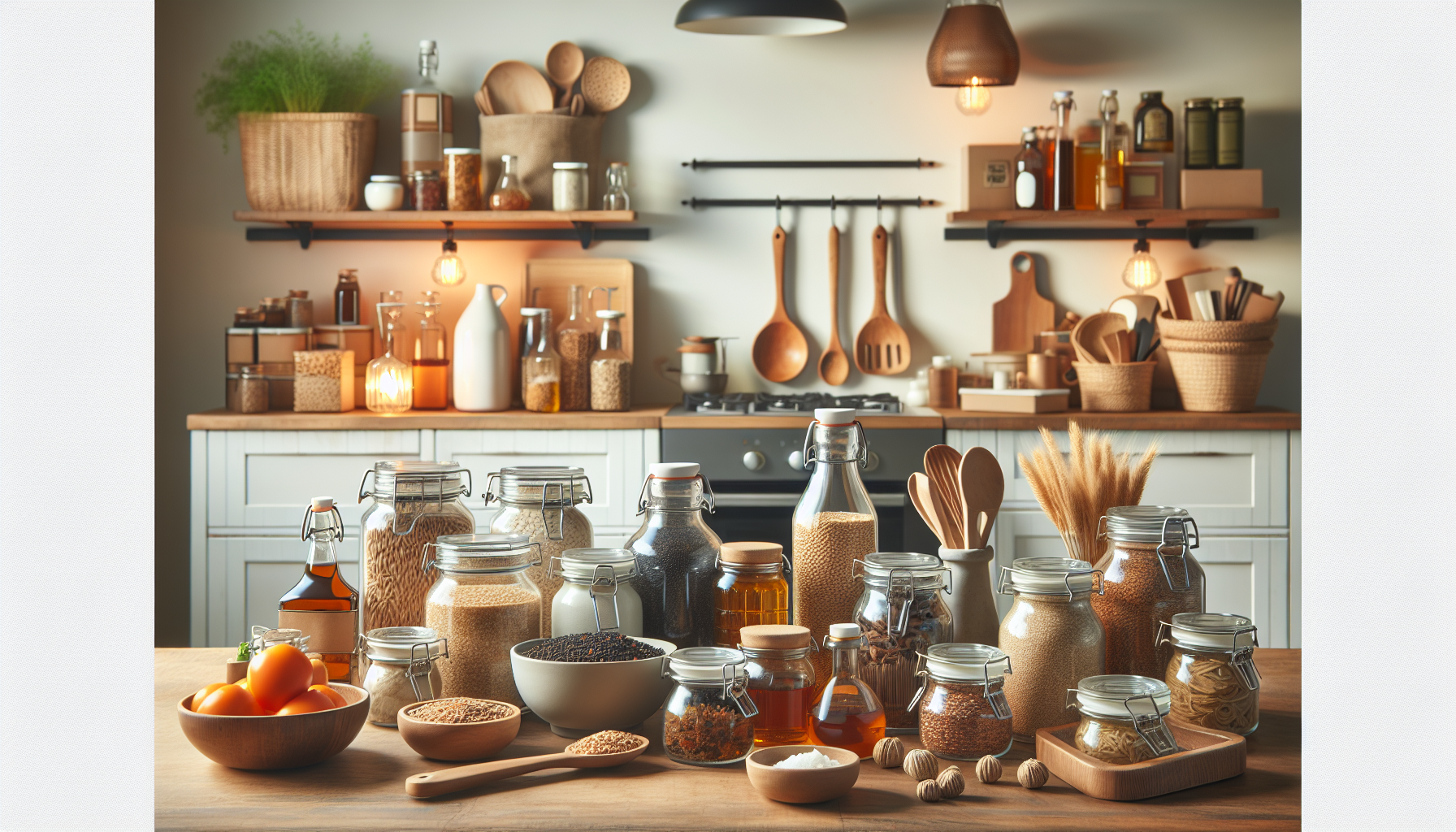
The condiment landscape in Western supermarkets has changed more dramatically in the past fifteen years than in the previous fifty. Where ketchup, mustard, and mayonnaise once occupied the overwhelming majority of shelf space, they now share it with gochujang, preserved lemon paste, fish sauce, pomegranate molasses, white miso, tahini, and a dozen other ingredients that have crossed from specialist ethnic grocery stores into the mainstream. This is not merely a diversity of flavour — it is a shift in how home cooks understand the architecture of a dish.
The Ingredients Driving the Change
Miso paste has been perhaps the most significant crossover of the past decade. A fermented soybean paste that has been central to Japanese cooking for over a thousand years, miso's umami intensity — derived from glutamate compounds produced during fermentation — makes it a flavour amplifier without parallel in Western pantries. Nielsen scan data reported by The Specialty Food Association showed miso paste sales in US mainstream grocery grew 31 percent between 2018 and 2022. The shift was partly driven by David Chang's Momofuku restaurant group, whose mise-en-place lists and publicly shared cooking philosophies introduced miso butter, miso caramel, and miso-glazed vegetables to a generation of food-aware diners who then sought to replicate the flavours at home.
Gochujang, the Korean fermented chilli paste, crossed into Western mainstream consciousness with notable speed. The condiment — made from dried chilli, fermented soybean, glutinous rice, and salt — occupies a flavour position that Western cooking simply lacked: simultaneously hot, sweet, savoury, and deeply fermented. Maangchi, the Korean cooking YouTube creator with over 5 million subscribers, has documented this crossover in real time through her comment sections. By 2023, Heinz had launched a gochujang ketchup variant for the UK market — a reliable cultural marker that an ingredient has achieved genuine mainstream penetration.
Tahini, the sesame paste central to Levantine cooking, experienced its most dramatic Western expansion through Yotam Ottolenghi's influence. Ottolenghi's Jerusalem (2012, co-authored with Sami Tamimi) and subsequent books placed tahini in dozens of contexts — dressings, dips, sauces, desserts — that demonstrated its range. Soom Foods, a Philadelphia-based premium tahini producer, reported revenues growing from $200,000 in 2015 to over $3 million by 2020, driven primarily by direct-to-consumer sales to home cooks who had encountered tahini in Ottolenghi recipes.
The Science of Flavour Layering
The reason fermented condiments like miso, gochujang, and fish sauce are such effective flavour enhancers lies in their concentration of glutamate, the amino acid that activates umami taste receptors. These receptors, identified and named by Japanese chemist Kikunae Ikeda in 1908 — and whose existence in humans was confirmed neurologically only in 2000 — respond to glutamate by signalling depth, persistence, and savouriness in a way that other taste categories cannot replicate independently.
The practical application is straightforward: a teaspoon of white miso added to a pan sauce, a braise, or a salad dressing adds complexity that would otherwise require hours of reduction. A smear of gochujang in a marinade adds layered heat that evolves as it cooks. These are not exotic flourishes — they are concentrated flavour tools that do what stock reductions and bone broths have always done, more efficiently and with shelf-stable pantry convenience.
The Sourcing Infrastructure
The availability of previously specialist ingredients in mainstream grocery has accelerated the shift. Whole Foods Market now stocks multiple miso varieties in most US locations; Waitrose and Sainsbury's in the UK carry gochujang as a standard line. For home cooks who want more specific products — specific regional misos, raw tahini, high-quality fish sauce from specific producers — online retailers including Japan Centre and The Asian Cook Shop provide access to the full range of pantry depth that professional kitchens have drawn on for decades.