Why Second-Hand Tailoring Is Outpacing Fast-Fashion Alterations
In an era where sustainability and personalization are becoming fashion's most cherished virtues, second-hand tailoring is stepping into the limelight, outpacing fast-fashion alterations with elegance and eco-conscious allure. This article delves into why the art of refashioning pre-loved garments is capturing hearts and closets alike, offering a thoughtful alternative to the quick fixes often associated with fast fashion. As you read on, you'll discover the practical benefits, the environmental impact, and how you can seamlessly integrate these practices into your everyday wardrobe.
Incorporating second-hand tailored pieces into your wardrobe is more than a nod to sustainability—it's a pathway to cultivating a unique personal style that speaks volumes about individuality and responsibility. Unlike fast-fashion alterations, which often focus on immediate trends and quick turnover, second-hand tailoring emphasizes quality, durability, and a story with every stitch. This approach not only saves time and money in the long run but also fosters a more mindful fashion journey, reducing stress and boosting confidence in one's personal style choices.
Identifying Quality Pieces for Tailoring
The first step in embracing second-hand tailoring is learning to identify pieces of quality that can be refashioned for your wardrobe. These items are often hidden gems, possessing the potential to shine with a bit of expert tailoring.
- Choose natural fabrics like wool, cotton, and silk—these materials not only age better but are also easier to alter.
- Look for garments with minimal wear and tear. Check the seams, hems, and any embellishments for durability.
- Focus on timeless designs—classic cuts and styles that transcend fleeting trends will remain relevant for years.
While hunting for pieces, it's essential to maintain a discerning eye. Avoid items with excessive damage or wear that might be too costly or impractical to repair. It's also wise to consider the potential of each piece—envision how it can be transformed to fit seamlessly into your existing wardrobe.
Benefits of Second-Hand Tailoring Over Fast-Fashion Alterations
Choosing second-hand tailoring over fast-fashion alterations offers numerous benefits in both quality and sustainability.
- Second-hand pieces often feature superior craftsmanship and materials, ensuring a longer lifespan after alterations.
- Tailoring vintage or pre-owned clothing supports circular fashion, reducing waste and promoting environmental stewardship.
- Bespoke tailoring can personalize fit and style, creating unique garments that reflect your personal taste rather than mass-market trends.
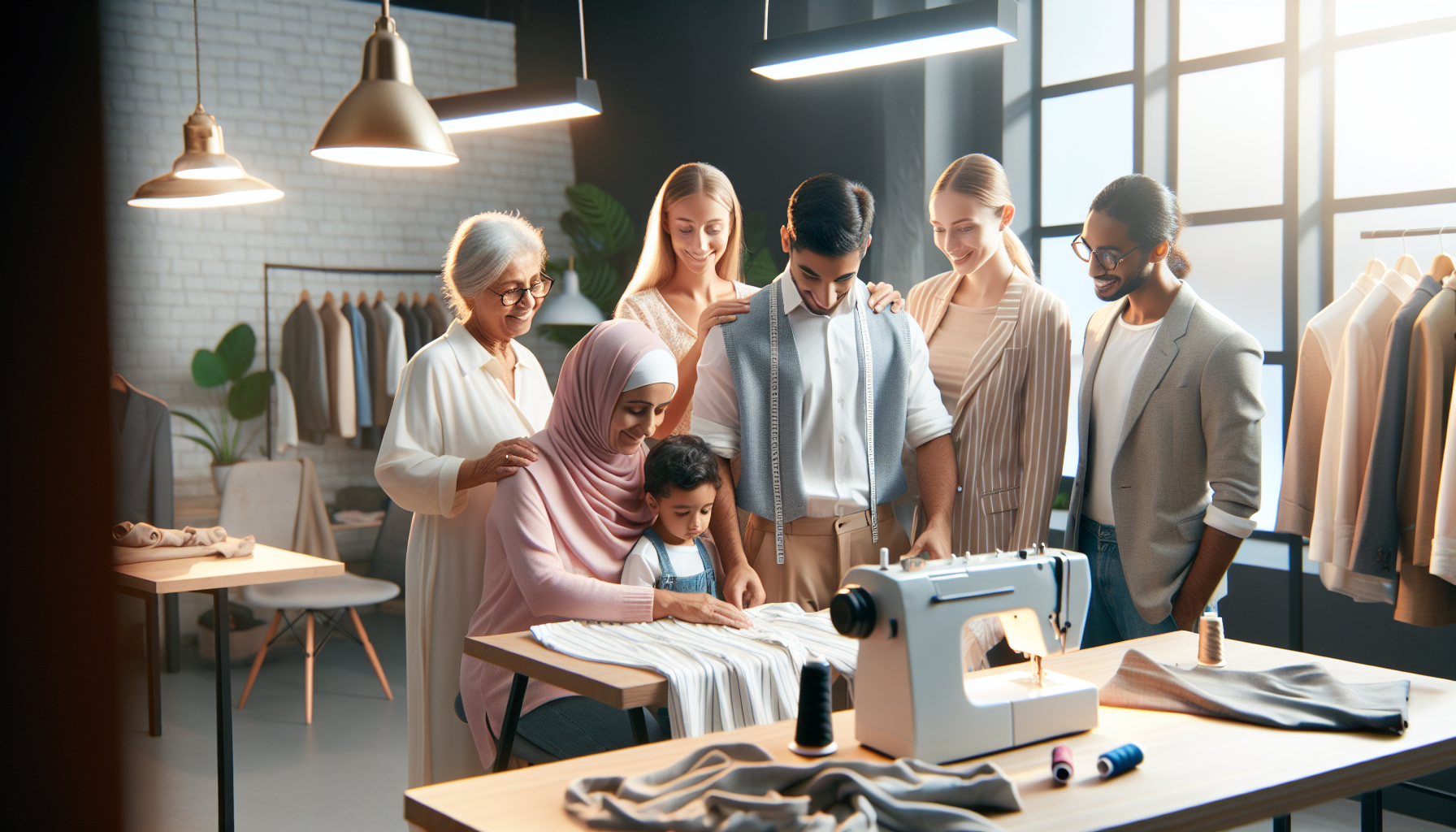
One common pitfall is underestimating the time and skill required for quality tailoring. Unlike fast-fashion alterations, which promise quick fixes, second-hand refurbishments require patience and attention to detail. Partnering with a skilled tailor can make the process more rewarding, as they bring expertise and creativity to each project.
"" — Fashion editor
Finding and Collaborating with Skilled Tailors
Finding a skilled tailor is crucial to maximizing the potential of your second-hand finds. A good tailor can transform a garment from outdated to outstanding, enhancing both fit and style.
- Research local tailors with positive reviews and a portfolio showcasing their work with various fabrics and styles.
- Communicate clearly about your vision for the piece, sharing ideas and being open to expert suggestions.
- Start with a small project to gauge the tailor's skills and compatibility with your expectations.
Building a good rapport with your tailor can lead to a fruitful partnership, where each piece is a collaborative effort. It's important to discuss budgets upfront and ensure there's a mutual understanding of the timeframe and costs involved in each alteration.
Incorporating Tailored Pieces into Your Wardrobe
Once your second-hand garments have been tailored to perfection, the next step is integrating them into your daily wardrobe. The key is to balance these unique pieces with your existing collection.
- Pair tailored items with modern accessories to update their look and keep them fresh.
- Mix and match with staples from your wardrobe to create versatile outfits that work for different occasions.
- Experiment with layering, especially in changing climates, to add depth and dimension to your style.
Avoid the trap of only wearing tailored pieces on special occasions. By incorporating them into your everyday outfits, you not only get more use out of them but also enhance your overall style quotient.
Further Reading
For more on this topic, explore: Elle, WWD, Harper's Bazaar.