Why Fermentation Jars Are Becoming Kitchen Staples Again in 2026
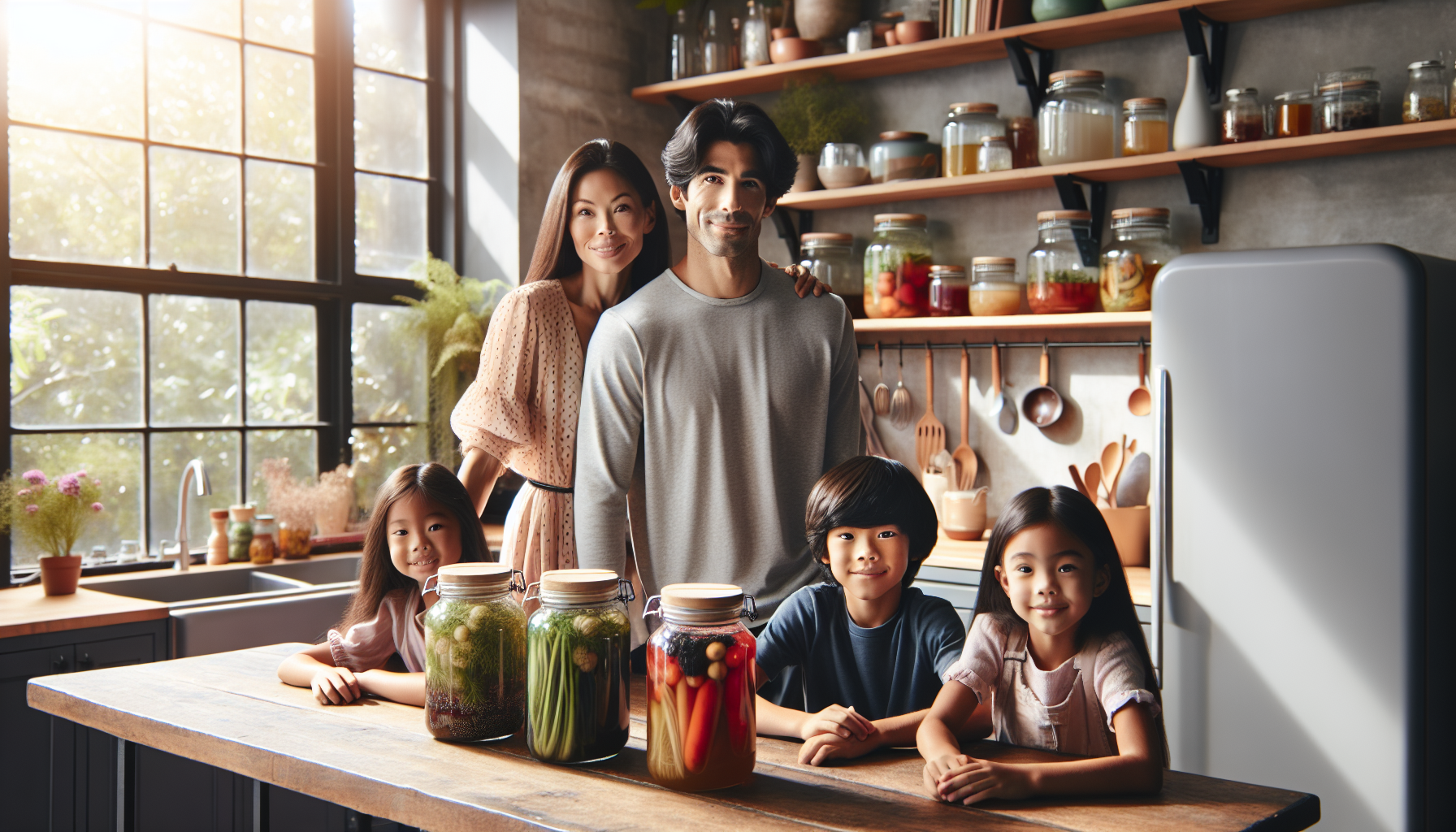
The timeless art of fermentation has found its way back into modern kitchens, reviving traditions that deliver both flavor and health benefits. Fermentation jars, once a staple in households, are regaining popularity as people seek a deeper connection with their food and the environment. This article will explore why fermentation jars are becoming indispensable again in 2026, offering insights into their myriad benefits and practical tips for incorporating them into your everyday life.
In an era where sustainability and wellness are at the forefront, fermentation jars present a way to reduce waste, enhance nutrition, and enjoy homemade delicacies. They offer the opportunity to create probiotic-rich foods that support gut health, which is crucial for overall well-being. By embracing this age-old practice, you can develop a greater appreciation for traditional techniques that are both economical and rewarding.
Essential Fermentation Jar Basics
Before you dive into the world of fermentation, it's important to understand the basics. Fermentation jars are specially designed to allow gasses to escape while preventing contaminants from entering, creating the perfect environment for the natural fermentation process. Choosing the right jar is the first step towards successful fermentation.
- Material Matters: Opt for glass or ceramic jars, as these materials do not react with acidic ingredients and are easy to clean. Avoid plastic containers due to potential chemical leaching.
When selecting a jar, consider size based on your consumption patterns. A smaller jar might be suitable for beginners, while a larger one benefits families or frequent fermenters.
Why Fermentation Jars Matter
Fermentation jars offer multiple advantages that extend beyond their functional design. They empower you to control ingredients, ensuring that your ferments are free from unwanted additives and preservatives. Furthermore, fermenting at home can significantly cut down on food waste.
- Cost Efficiency: Making your own fermented foods like sauerkraut or kimchi is often cheaper than store-bought versions, and you can experiment with flavors.
"Embracing fermentation at home not only enriches your diet but also connects you to culinary arts from around the world."
— Culinary expert
Getting Started with Fermentation
To begin your fermentation journey, gather the necessary tools and ingredients. Essential items include a fermentation jar, weights to keep food submerged, and an airlock system to release gas.
- Simple Ingredients: Start with basic vegetables like cabbage, carrots, or radishes. Add herbs and spices to customize flavors.
Follow a proven recipe to ensure success, and take notes on the fermentation process, as temperature and time can vary based on climate and season. Mistakes to avoid include using iodized salt, which can hinder fermentation, and under-filling jars, which may lead to mold growth.
Experimenting with Flavors and Techniques
Once comfortable with the basics, try experimenting with different ingredients and methods. Incorporate seasonal produce to enhance freshness and flavor complexity.
- Seasonal Variations: Use summer fruits like berries in small batches for unique probiotic-rich snacks, or root vegetables in winter for hearty ferments.
Diversifying your ferments can lead to discoveries of new favorite dishes and techniques. Always maintain proper hygiene and process controls to prevent spoilage.
Incorporating fermentation jars into your kitchen routine can yield long-term benefits, such as improved digestion and reduced reliance on processed foods. Start with simple changes, like a weekly fermentation session, and gradually increase as you become more confident. Appreciate the art of fermentation for its ability to transform simple ingredients into flavorful, nutritious staples. Remember, the journey is as rewarding as the destination, inviting you to explore, experiment, and enjoy the fruits of your labor.
Further Reading
For more on this topic, explore: Healthline, Eater, Dezeen.