The Ultimate Guide to Monochrome Textures for Everyday Elegance
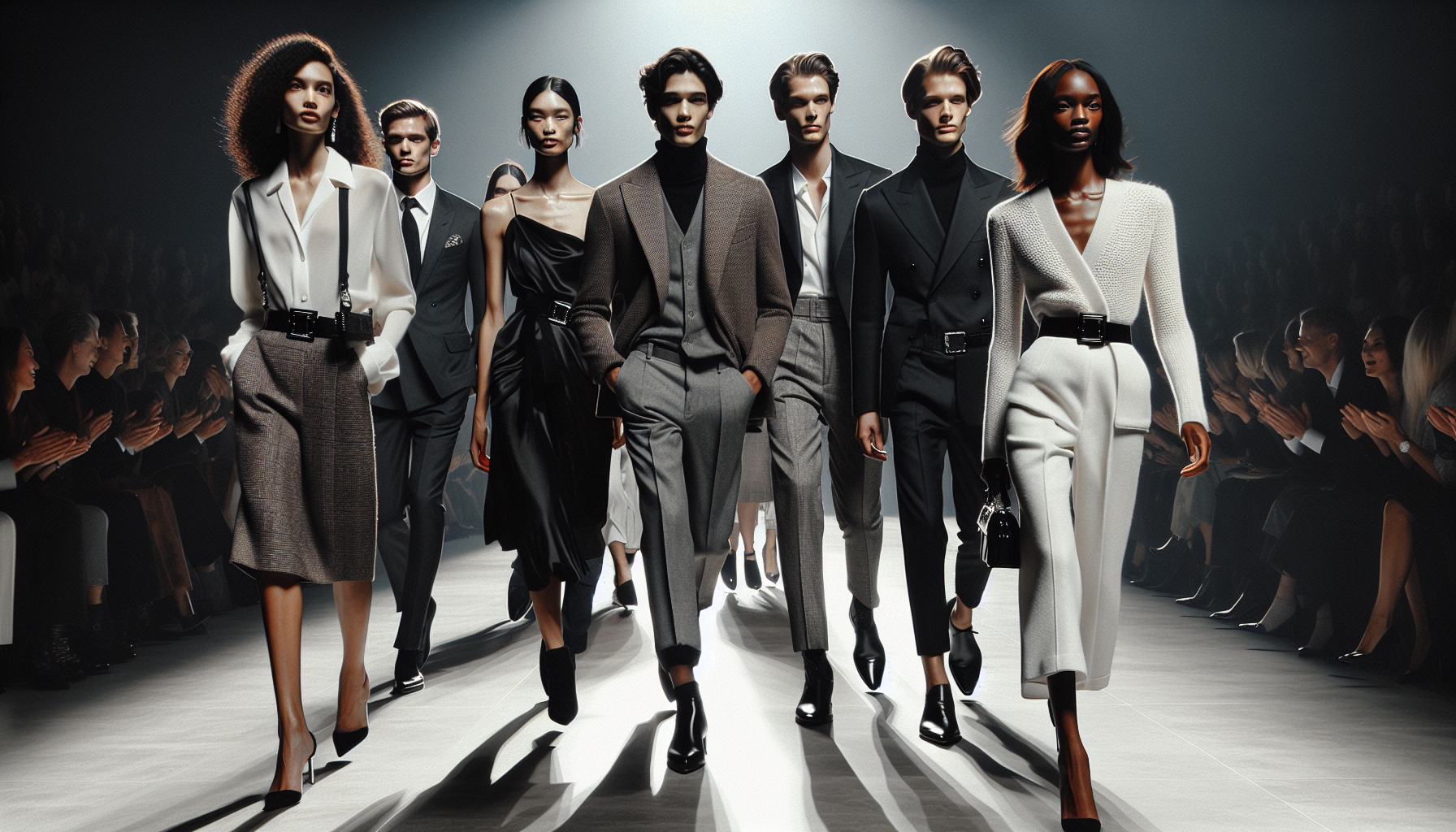
As the fashion world continues to evolve, a subtle yet powerful trend has emerged on international catwalks: the gentle rise of monochrome textures. This trend focuses on the nuanced combination of varying textures within a single color palette, creating depth and interest without the need for bold prints or multiple hues. In this article, you'll discover how to incorporate monochrome textures into your wardrobe, offering a sophisticated yet effortless style that's perfect for everyday life.
Incorporating monochrome textures into your wardrobe matters because it offers a timeless, versatile approach to dressing that can save both time and stress. By focusing on texture rather than color, you can create visually compelling outfits with minimal effort, boosting your confidence and allowing for seamless style transitions throughout the year. Additionally, monochrome textures provide a sustainable fashion choice by maximizing the use of existing pieces in your wardrobe, reducing the need for frequent shopping.
Essential Pieces to Start with for Monochrome Textures
The foundation of any successful monochrome texture outfit lies in selecting key wardrobe staples that can be mixed and matched effortlessly. Begin by choosing pieces in a single color family that vary in texture, such as knit sweaters, silk blouses, denim jeans, and leather jackets. These items form the backbone of your monochrome wardrobe, allowing for easy layering and styling.
- Why Texture Matters: Texture adds dimension to an outfit, making it visually interesting without relying on color contrast. Choose textured items like a ribbed knit sweater or a suede skirt to create a rich, layered look.
- How to Choose: Opt for high-quality fabrics with distinct textures. A wool blazer pairs beautifully with silk trousers, while a cotton tee complements a linen skirt.
Remember to invest in pieces that reflect your personal style and consider the climate of your region. For colder climates, heavier textures like wool and leather provide warmth, while lighter fabrics like linen and cotton are perfect for warmer weather. Avoid overly trendy textures that may date quickly; instead, focus on classic materials known for their longevity.
Building a Monochrome Wardrobe: Step-by-Step Guide
To build a cohesive monochrome wardrobe, start by selecting a base color that suits your skin tone and personal preferences. Popular options include neutrals like black, white, gray, and beige, which are versatile and easy to style. Once you've chosen your base color, gather items that vary in texture within that palette.
- Layering Effectively: Layering different textures within the same color family can elevate your look. Pair a chunky knit cardigan with a satin slip dress for contrast.
- Adding Accessories: Accessories in the same color palette, such as leather belts, suede shoes, or silk scarves, can enhance the texture play without adding color complexity.
Experiment with different combinations to find what works best for you. Pay attention to proportion and balance to ensure your outfit remains polished and intentional. For example, if you're wearing a textured top, opt for a smoother bottom to avoid overwhelming the look.
Monochrome Textures for Different Occasions
Monochrome textures are incredibly adaptable, making them suitable for a range of occasions from casual outings to formal events. For a relaxed weekend look, choose breathable fabrics like cotton and linen in your chosen color. Pair a textured cotton tee with linen trousers and loafers for an effortless yet stylish ensemble.
- Office Wear: Create a professional look by combining structured and soft textures. A wool blazer over a silk blouse with tailored pants exudes elegance and confidence.
- Evening Events: Opt for luxurious textures such as velvet or lace for evening occasions. A velvet dress or a lace top paired with satin pants can make a sophisticated statement.
Adapt your monochrome textures to fit the season and event. For summer weddings, light and airy fabrics in neutral tones provide a fresh, chic appearance, while winter gatherings benefit from richer textures like velvet and wool.
Common Mistakes and How to Avoid Them
While monochrome textures offer a unique style advantage, there are common pitfalls to be mindful of. Avoid choosing too many similar textures, as this can flatten the visual interest of your outfit. Instead, mix at least two distinct textures to create depth.
- Overloading on Accessories: While monochrome textures allow for creative accessorizing, avoid overloading on matching accessories. Choose one or two statement pieces to maintain balance.
- Neglecting Fit: Ensure that each piece fits well. Ill-fitting clothing can detract from the elegance of a monochrome ensemble, so proper tailoring is key to achieving a polished look.
It's also important to regularly assess your wardrobe and rotate items to keep your look fresh. This not only prevents outfit fatigue but also allows you to explore different combinations and styles.
Further Reading
For more on this topic, explore: Elle, Harper's Bazaar.