The Subtle Power of Textural Layering Seen on Recent Catwalks
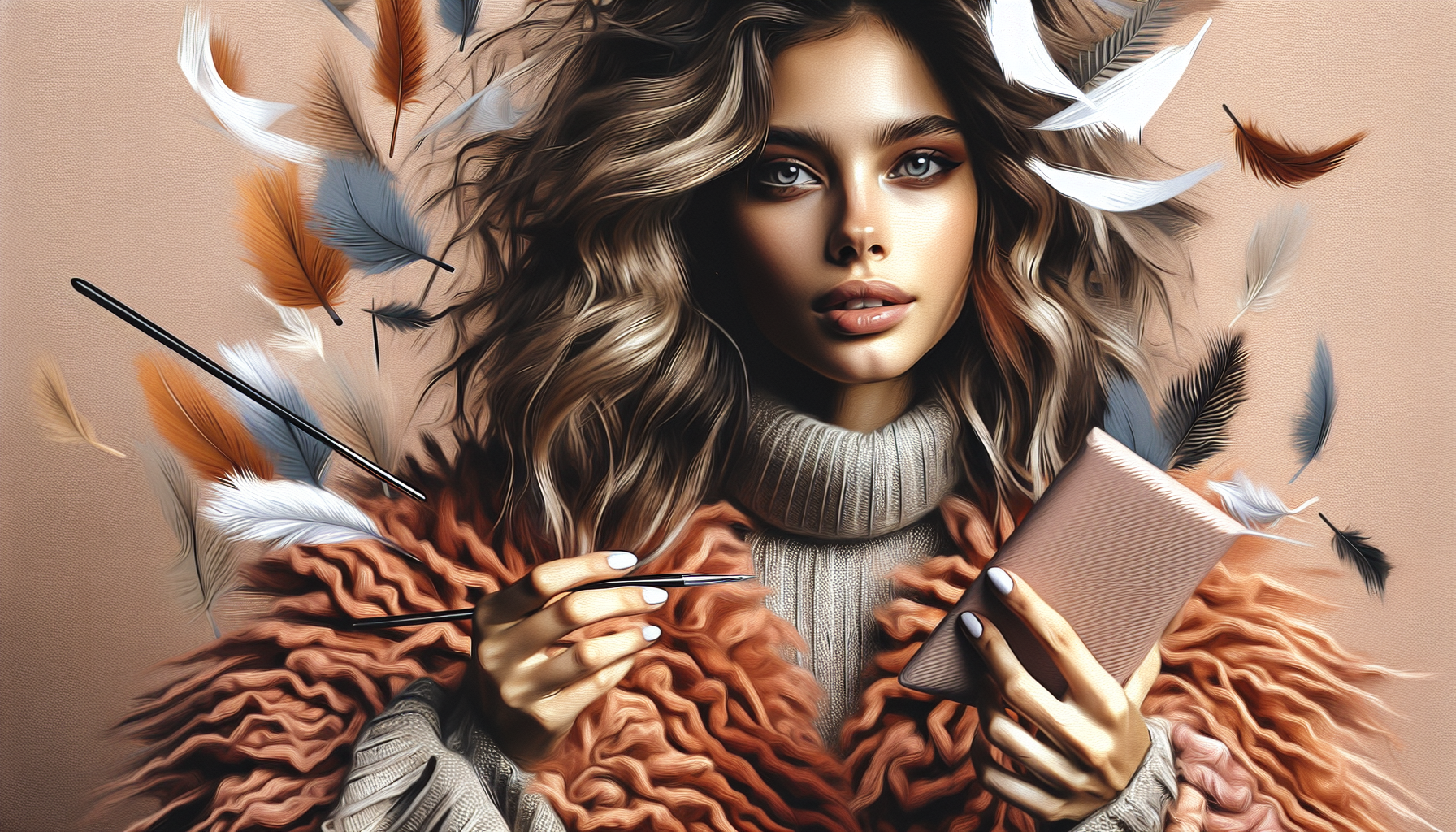
The world of high fashion often influences the everyday wardrobe in subtle yet impactful ways. Recently, the concept of textural layering has made its way from the catwalk to the streets, offering a versatile approach to enhancing personal style. This article explores the nuances of textural layering, providing practical tips for integrating this advanced fashion technique into your wardrobe. You’ll learn how to use texture to add depth and interest to your outfits, without needing to splurge on new clothes.
Incorporating textural layers into your outfits can transform the mundane into the extraordinary. It’s not just about wearing more clothes, but about creating a dynamic visual effect that holds attention. This technique can be both a time-saver and a confidence booster, allowing you to mix and match items you already own in new and interesting ways. Moreover, textural layering emphasizes sustainability by encouraging creative use of existing wardrobe pieces, aligning with eco-conscious fashion practices.
Understanding Textural Layering
Textural layering involves combining fabrics with different textures to create rich, multidimensional outfits. It’s about the interplay between materials like wool, silk, leather, and cotton, which can elevate a simple look into something sophisticated and stylish.
- Start with a base layer of smooth, simple fabrics like cotton or silk, which forms the foundation for the rest of your outfit.
For depth, add a mid-layer that contrasts in texture, such as a knitted sweater or a velvet blazer. This creates an interesting visual juxtaposition that draws the eye. Mistakes to avoid include using too many patterns or colors, which can overwhelm the textures and disrupt the cohesive look.
Choosing the Right Materials
When selecting materials for textural layering, consider both aesthetics and functionality. Different fabrics not only look distinct but also serve varied practical purposes, making them suitable for different seasons and occasions.
- Opt for heavier materials like wool or tweed during colder months, which provide warmth as well as texture.
In warmer weather, incorporate lighter fabrics such as linen or silk to maintain comfort while adding visual interest. Avoid pairing fabrics that are too similar in weight or weave, as this can make the outfit feel flat.
Creating Balance and Proportion
Balance is key in textural layering. An outfit should feel harmonious, with each piece complementing the others rather than competing for attention. Consider the silhouette and how different textures affect the overall shape of your ensemble.
- Use structured outer layers, like a tailored coat or a leather jacket, to anchor softer, more voluminous inner layers.
This approach prevents the ensemble from looking bulky or unstructured. Mistakes often occur when all elements of an outfit are similarly oversized or tight-fitting, which can disrupt the intended balance.
Adapting Textural Layering to Your Style
Textural layering is not a one-size-fits-all solution. It can and should be adapted to fit personal style preferences, body types, and lifestyle needs. Start by identifying your favorite textures and explore how they can be mixed with existing wardrobe staples.
- For a minimalist approach, try pairing a monochrome outfit with different textures, such as a suede skirt with a cashmere top.
If you prefer a more eclectic style, experiment with bold textures and patterns, ensuring they’re tied together with a cohesive color palette. The common pitfall here is to over-layer, resulting in an outfit that feels chaotic rather than curated.
In conclusion, textural layering offers an exciting way to refresh your wardrobe without extensive shopping. By starting with one or two changes—like adding a textured scarf or switching to a different material for your outerwear—you can achieve significant stylistic upgrades. Over time, the benefits accumulate, leading to a more versatile and interesting wardrobe. Experiment with different textures to find combinations that reflect your personal taste and adapt them to suit seasonal changes or specific occasions. There’s no rush; take your time to discover what works for you, enjoying the journey toward a more refined personal style.
Further Reading
For more on this topic, explore: Harper's Bazaar, Vogue, Elle.