The Rise of 'Mood-Based' Wardrobes Over Seasonal Trends
As fashion continues to evolve, the concept of mood-based wardrobes has emerged as a compelling alternative to traditional seasonal trends. By focusing on how clothes make us feel rather than adhering strictly to what's trending each season, mood-based wardrobes offer a more personalized, sustainable, and emotionally satisfying approach to style. This article will walk you through the essentials of building a mood-based wardrobe, offering practical tips and insights to help you align your clothing choices with your emotional well-being and personal aesthetic.
Incorporating mood-based dressing into your life can transform your relationship with fashion by making it more meaningful and less stressful. Instead of rushing to keep up with fleeting trends, you can develop a wardrobe that reflects who you are at any given moment, boosting your confidence and saving you time. By understanding the principles behind mood-based dressing, you can cultivate a closet that supports your mental and emotional health, while also standing the test of time.
Understanding Mood-Based Dressing
Mood-based dressing is all about selecting clothing that resonates with your current emotional state or desired mood. This involves tuning into how different fabrics, colors, and styles impact your feelings and using this awareness to guide your wardrobe choices.
- Start by observing how certain outfits make you feel throughout the day. Note whether your clothing choices uplift your mood, provide comfort, or give you confidence.
- Identify key pieces that consistently evoke positive emotions. These could be anything from a cozy sweater to a chic blazer.
Once you understand these positive triggers, you can begin to curate a wardrobe that's not just functional but also emotionally supportive. Avoid the pitfall of holding onto clothes that consistently leave you feeling uncomfortable or insecure; declutter these items to make room for pieces that truly reflect your mood.
Essential Pieces for a Mood-Based Wardrobe
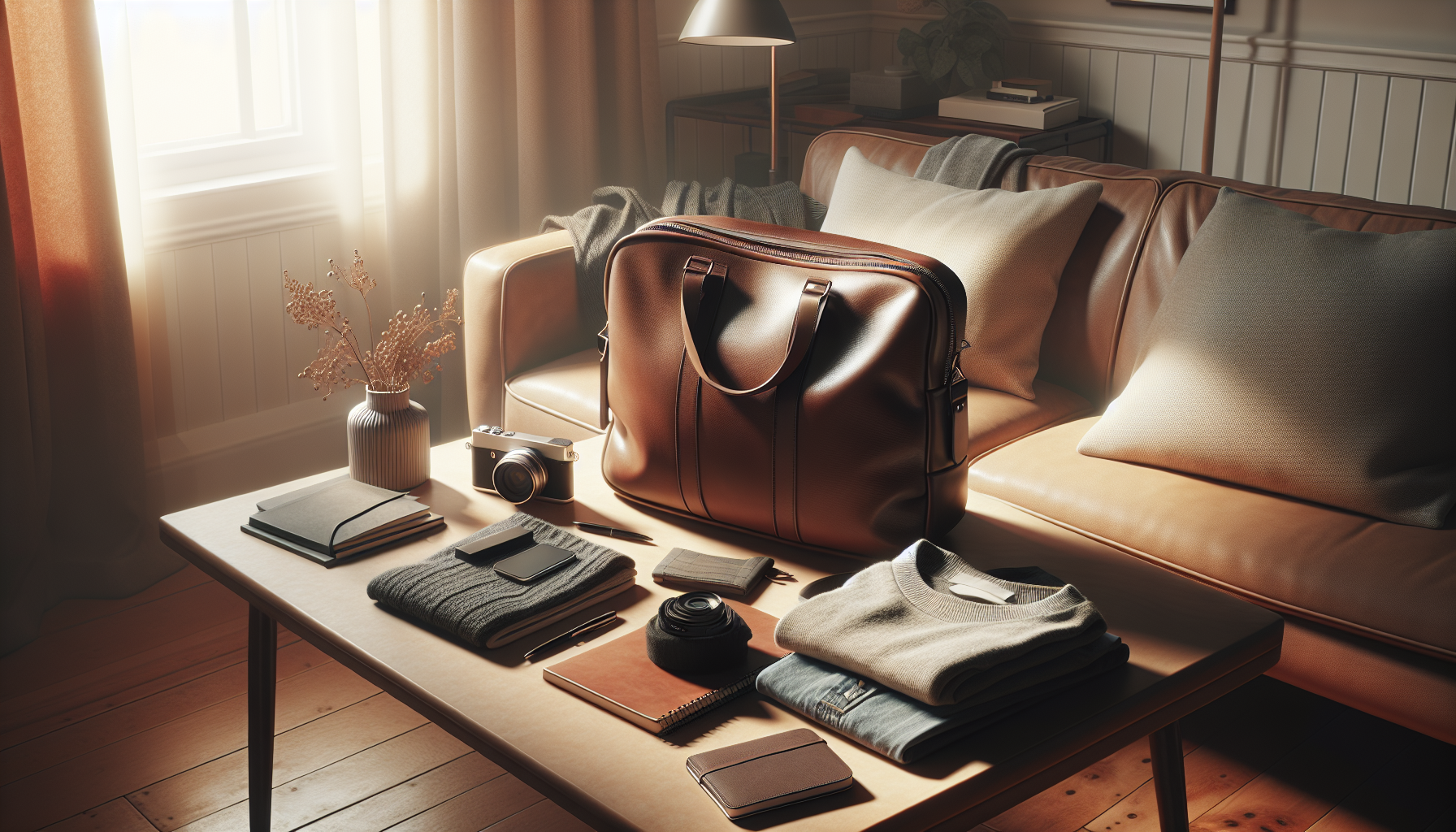
Building a mood-based wardrobe doesn't mean overhauling your entire closet overnight. Instead, focus on incorporating versatile, timeless pieces that can be easily mixed and matched to suit different moods and occasions.
- Neutral basics like a white button-down shirt or black trousers can act as a foundation for various mood-based outfits.
- Invest in a few statement pieces that bring you joy and confidence, such as a vibrant scarf or a pair of polished shoes.
These pieces should be chosen with care, focusing on quality and fit rather than quantity. Avoid shopping sprees driven by sales or trends; instead, prioritize pieces that you genuinely love and will wear repeatedly.
“”
— Fashion Editor
Incorporating Color Psychology
Color psychology plays a significant role in mood-based dressing. Different colors can evoke various emotional responses, allowing you to tailor your outfit to your desired mood.
- Wear blue for a calming effect, which can be beneficial during stressful or busy days.
- Choose red when you need a confidence boost or want to make a bold statement.
- Opt for green to foster a sense of balance and harmony.
Experiment with color combinations to see which ones resonate most with you. Keep a mix of colors in your wardrobe so you can easily adapt your outfit to your mood each day.
Common Mistakes to Avoid
While the concept of mood-based dressing is liberating, there are common pitfalls to watch out for:
- Over-reliance on sales or fast fashion brands can clutter your wardrobe with low-quality items that don't resonate with your mood.
- Neglecting your personal style in favor of what’s currently trending can lead to a wardrobe that feels disconnected from your true self.
- Failing to rotate your wardrobe seasonally can result in a lack of appropriate clothing options year-round.
To avoid these mistakes, remain mindful of your purchases and regularly assess your wardrobe. Keep pieces that you love and that suit various moods, while discarding items that no longer serve you.
Further Reading
For more on this topic, explore: Business of Fashion, Vogue, Harper's Bazaar.