The Quiet Rise of Hand-Numbered Limited Editions in Independent Publishing
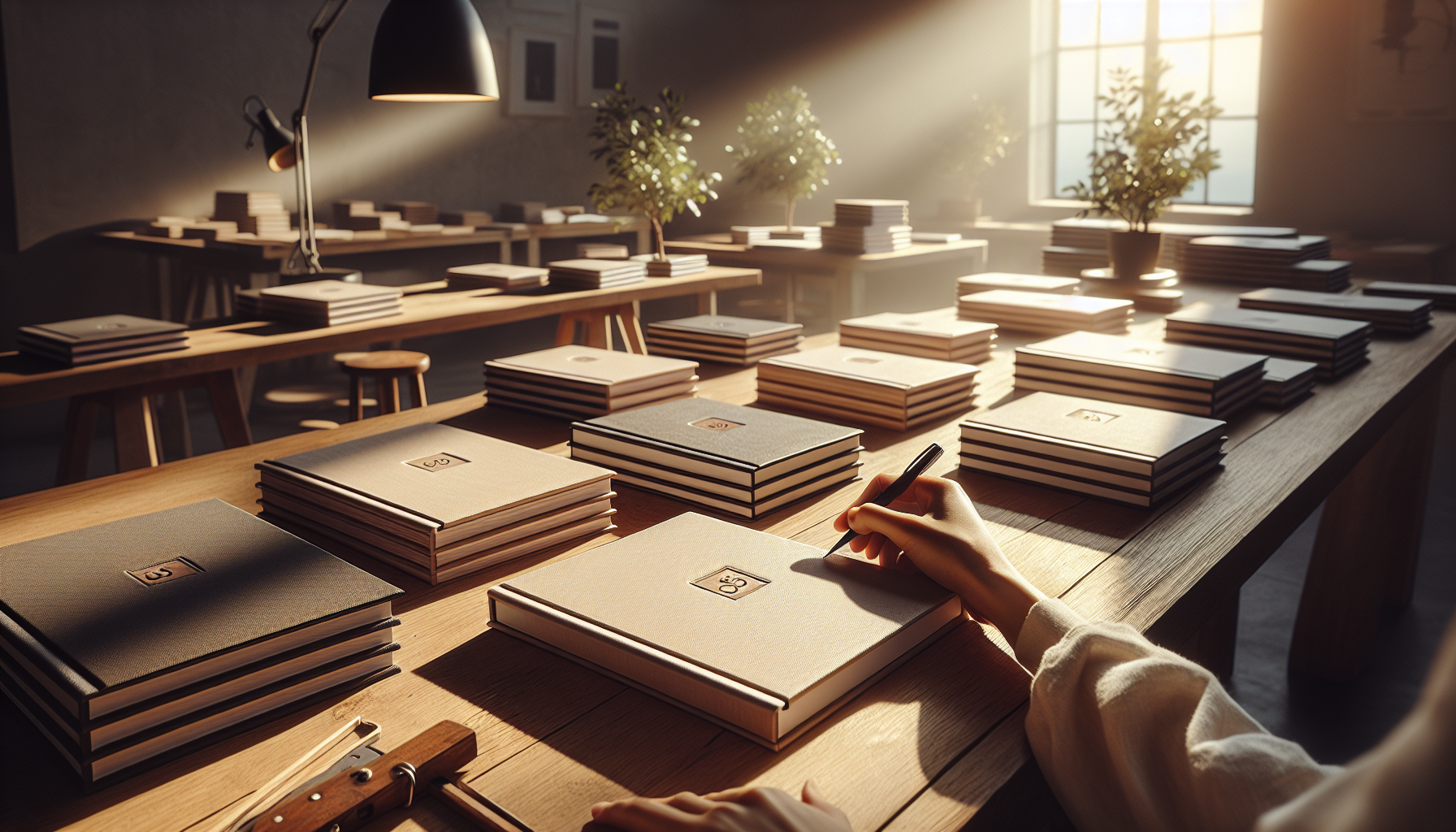
In the world of independent publishing, a subtle but significant trend is emerging: the hand-numbered limited edition. As readers and collectors alike seek more personal connections with their literary acquisitions, small-scale publishers are answering the call by producing limited runs of hand-numbered books. This trend offers a unique blend of exclusivity and artistry, elevating the experience of owning a book. In this article, we'll explore the quiet rise of hand-numbered limited editions, their appeal in today's market, and how they might fit into your reading or collecting habits.
The rise of hand-numbered limited editions matters in everyday life because it represents a shift towards intentionality and mindfulness in consumption. In an era where digital media often overshadows physical books, limited editions provide a tangible connection to the content. These editions are about more than just reading; they're about savoring the experience, supporting independent creators, and owning a piece of art. For collectors, these editions can also represent a solid investment, as their rarity can increase their value over time.
The Art of Hand-Numbered Editions
Hand-numbered limited editions are characterized by their small print runs, often ranging from a few dozen to a few hundred copies. Each copy is individually numbered, usually by hand, which adds an element of personalization and uniqueness. This process transforms a book from a mass-produced item into a collectible piece of art.
- Why They Work: The scarcity of these editions is their primary allure. Knowing that only a handful of others share the same copy creates a sense of exclusivity and enhances the book's personal value. This approach appeals to readers who value quality and uniqueness over quantity.
- Choosing the Right Edition: When selecting a hand-numbered edition, consider the reputation of the author or publisher. Limited runs from acclaimed authors or reputable independent publishers often hold more value. Look for editions with additional features such as unique cover art, signed pages, or special bindings that enhance both aesthetic and financial value.
Examples of successful hand-numbered editions include special releases from authors like Neil Gaiman or Margaret Atwood, often featuring exclusive content or artwork. Mistakes to avoid include purchasing solely based on hype without considering personal interest in the content or the potential long-term value.
The Emotional and Financial Value of Collecting
Collecting hand-numbered limited editions can be both emotionally rewarding and financially beneficial. The personal pleasure derived from owning a beautifully crafted book is complemented by the potential for financial appreciation as the book becomes rarer over time.
- Emotional Connection: Owning a hand-numbered edition can deepen your connection to the book's content and author. It's a way to celebrate literature as an art form and to appreciate the craftsmanship behind bookmaking.
- Financial Considerations: The rare nature of these editions often makes them valuable collectibles. Over time, as the number of available copies dwindles, their market value can increase, providing a potential return on investment. However, it's important to research and choose titles that have a proven track record of appreciation.
Be wary of editions that promise high returns without clear backing from reputable sources or a significant cultural or literary impact. Instead, focus on the joy and meaning the book brings to your collection.
“A longtime publishing enthusiast notes, 'Owning a hand-numbered edition is like holding a piece of history—each number tells its own story.'”
— Publishing enthusiast
Incorporating Limited Editions into Your Lifestyle
Integrating hand-numbered limited editions into your lifestyle can enhance your reading habits and personal space. These editions are not just about reading; they're about creating a curated collection that reflects your interests and values.
- Creating a Personal Library: Start by designating a specific area in your home to display your collection. This not only preserves the condition of the books but also allows them to serve as conversation starters and aesthetic elements in your living space.
- Reading with Intention: Approach these books as an experience rather than just a read. Take the time to appreciate the craftsmanship and the thought that went into creating each edition, from cover design to typography.
To make the most of your collection, periodically review and reflect on the editions you own. Consider rotating your display to highlight different books throughout the year, keeping your library dynamic and engaging.
In conclusion, the quiet rise of hand-numbered limited editions in independent publishing offers an exciting opportunity for readers and collectors. By starting small and gradually building a collection, you can enjoy both the personal and financial rewards these editions offer. This trend encourages a more intentional and meaningful engagement with your reading material—one that celebrates the artistry and individuality of books. As you explore this world, remember to choose editions that resonate with you personally, ensuring your collection remains a true reflection of your tastes and values.
Further Reading
For more on this topic, explore: Artsy, Literary Hub.