How Seasonal Food Calendars Are Bringing Back Mindful Eating Habits
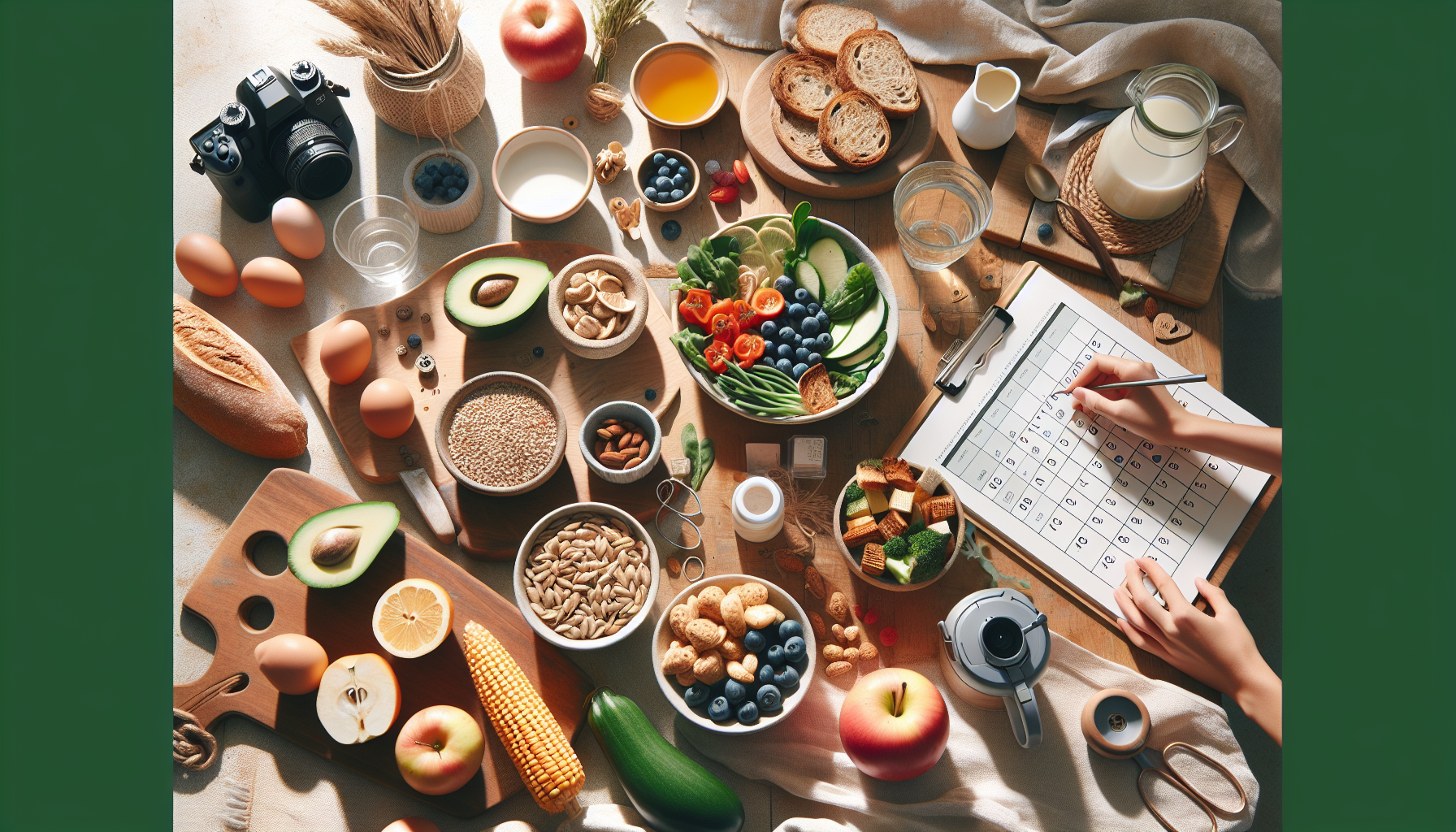
In recent years, there has been a resurgence of interest in seasonal eating, driven by the growing popularity of seasonal food calendars. These calendars guide individuals on the best times to enjoy different fruits and vegetables based on their natural growing cycles. This approach not only enhances the flavors and nutritional content of our meals but also supports local farmers and promotes a more sustainable way of living. In this article, you'll discover how seasonal food calendars can bring mindful eating habits back into your life, offering practical steps to seamlessly incorporate them into your daily routine.
The practice of eating seasonally matters greatly in our everyday lives, as it brings numerous benefits. First and foremost, it allows us to enjoy fresh, flavorful produce that is often more affordable and environmentally friendly. This method of eating can also reduce food waste, as it encourages us to purchase items that are readily available and in abundance. Most importantly, seasonal eating helps us forge a deeper connection with our food, fostering a sense of mindfulness and intentionality that can, over time, lead to healthier eating habits and a more balanced lifestyle.
Understanding Seasonal Food Calendars
Seasonal food calendars are tools that outline which fruits and vegetables are in season at different times of the year. They often vary by region, reflecting local climate and agricultural practices. By consulting these calendars, you can plan your meals around what is freshest and most nutritionally dense at any given time. This approach can be especially beneficial for those looking to enhance their culinary skills and palette.
- Why it works: Eating in season typically means that food travels shorter distances, reducing carbon emissions and supporting local economies. It also allows for more nutrient retention in fresh produce.
- How to choose/use: Obtain a seasonal food calendar specific to your region. Many local agricultural extensions or farmer's markets provide these resources.
To get started, try aligning your weekly meal planning with the seasonal calendar. Begin with simple swaps, such as using in-season vegetables in your go-to recipes. Avoid the common mistake of buying out-of-season items that are often imported and less flavorful.
Benefits of Seasonal Eating
Embracing seasonal eating has several advantages beyond flavor and freshness. It can also lead to improved health and well-being. Seasonal produce is more likely to be picked at its peak, ensuring a richer taste and higher nutritional value. For instance, winter squashes are packed with vitamins during the colder months, while summer brings an abundance of antioxidant-rich berries.
“Eating with the seasons encourages a varied diet, which is essential for getting a range of nutrients,” notes a registered dietitian.
— Registered Dietitian
- Variations for different lifestyles: Urban dwellers might rely on local markets or community-supported agriculture boxes, while rural residents could grow their own produce or visit nearby farms.
- Pros/Cons: While the benefits are numerous, one downside might be limited variety at certain times of the year. However, this can encourage creativity in the kitchen.
Incorporating Seasonal Foods into Meals
To effectively incorporate seasonal foods into your meals, start by experimenting with new recipes that highlight these ingredients. Soups and stews are perfect for hearty winter vegetables, while salads and light grills shine in the summer. A simple internet search can yield countless recipes tailored to what's in season.
- Practical steps: Dedicate a day each week to plan your meals based on what's available seasonally. Engage with your local community, maybe even attend a cooking class focused on seasonal ingredients.
One common mistake is sticking too rigidly to old habits, such as buying the same produce year-round, regardless of seasonality. Challenge yourself to try one new seasonal ingredient each week. Additionally, preserving techniques like canning or freezing can help you enjoy seasonal produce even when it's not in peak season.
Seasonal Eating for Mindful Living
Ultimately, using a seasonal food calendar is about more than just the food itself; it's a step toward a more mindful and intentional way of living. By eating seasonally, you cultivate a deeper appreciation for the food on your plate, understanding the effort and time that goes into producing it.
- Long-term benefits: With time, you may find that seasonal eating reduces stress associated with meal planning and grocery shopping, and enhances overall satisfaction with your diet.
Encourage yourself to invite friends and family to join you in this journey, sharing meals and experiences that celebrate seasonal bounty.
In conclusion, seasonal food calendars are a gateway to rediscovering mindful eating habits, offering a host of benefits that extend beyond the plate. By starting small, such as incorporating one or two seasonal ingredients into your weekly meals, you can gradually shift your eating patterns toward a more conscious and rewarding lifestyle. As these small changes accumulate, you'll likely experience less stress in meal preparation and a greater sense of satisfaction and well-being. Remember, there is no rush in this journey, only the joy of exploration and personal adaptation.
Further Reading
For more on this topic, explore: Dezeen, Bon Appétit.