How Root-Vegetable Roasting Is Redefining Simple Side Dishes
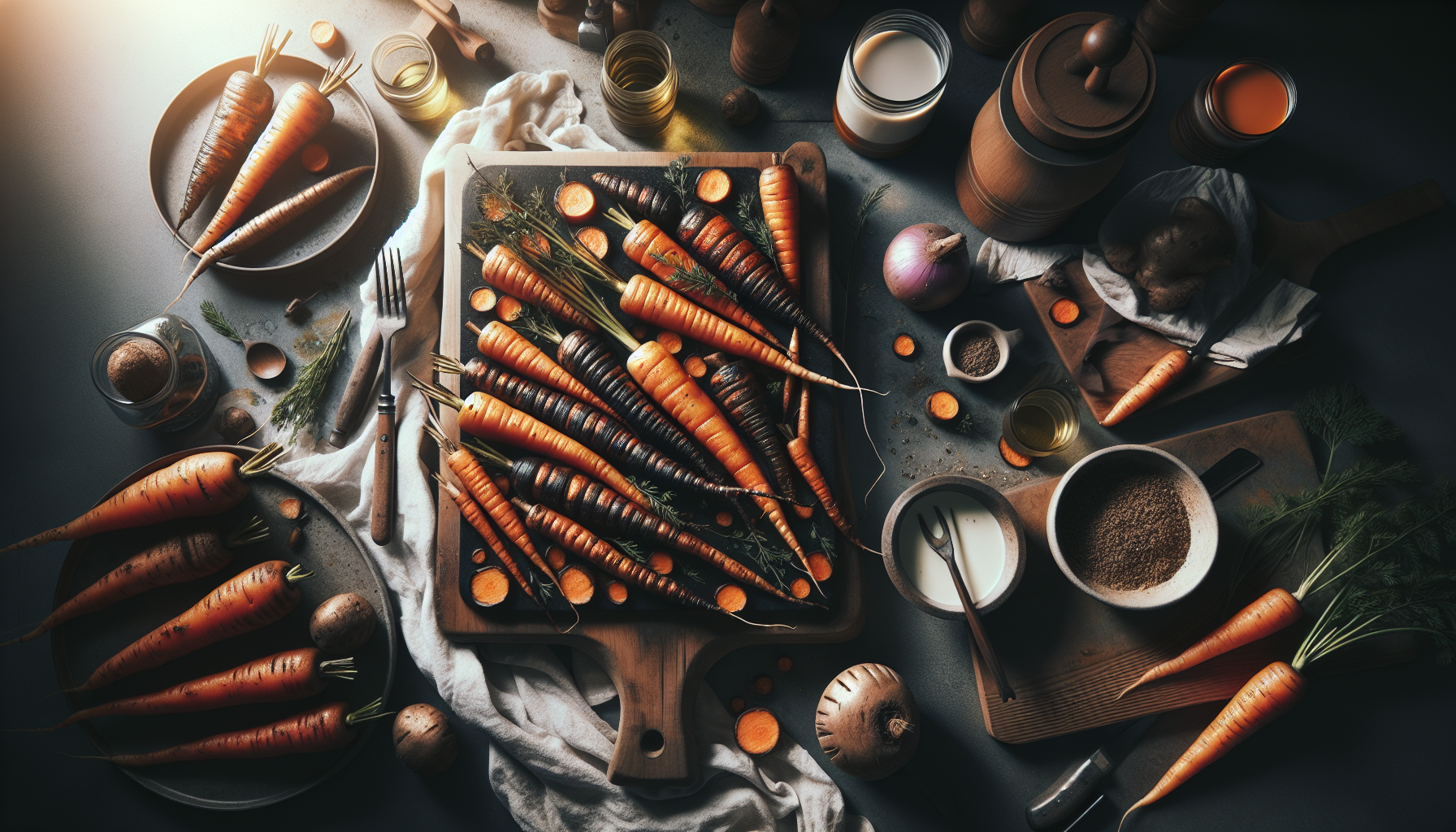
Root-vegetable roasting is redefining simple side dishes, elevating them from ordinary to extraordinary with minimal effort. This guide will introduce you to the art of roasting root vegetables, showcasing how this simple cooking method can transform your meals into something special. You'll gain insights into choosing the best vegetables, seasoning strategies, and mastering the roasting technique that yields deliciously caramelized results. By the end of this article, you'll be ready to impress with nutritious and flavorful side dishes that can easily become the highlight of your meal.
In today's fast-paced world, finding ways to prepare nutritious and satisfying meals without spending hours in the kitchen is invaluable. Roasting root vegetables offers a time-efficient solution that enhances flavors and retains nutrients, making them a staple in any balanced diet. This method promotes confidence in the kitchen as it’s forgiving and allows room for creativity, helping you build a repertoire of dishes that are as delicious as they are wholesome.
Essential Root Vegetables to Start With
Root vegetables are a diverse group, each offering unique flavors and textures when roasted. Starting with a selection of these can provide a variety of tastes and nutritional benefits.
- Carrots: Known for their sweetness, carrots caramelize beautifully, enhancing their natural sugars. Look for firm, vibrant-colored carrots for the best results.
- Sweet Potatoes: With their rich, creamy texture, sweet potatoes provide a perfect balance between sweet and savory. Choose ones with smooth skin and minimal blemishes.
- Beets: Offering earthy undertones, beets become tender and sweet when roasted. Opt for smaller beets for quicker cooking and more even results.
- Parsnips: Similar to carrots but with a nuttier flavor, parsnips add depth to your dish. Select firm, ivory-colored parsnips for optimal roasting.
When selecting root vegetables, consider seasonality, as this often ensures better flavor and price. Common mistakes include overcrowding the pan, which leads to steaming instead of roasting, and not cutting the vegetables uniformly, resulting in uneven cooking.
Mastering the Roasting Technique
Roasting root vegetables to perfection involves a few key steps. First, ensure your oven is preheated to around 400°F (200°C), as high heat is crucial for achieving that coveted caramelization. Next, cut your vegetables into uniform pieces to ensure even cooking.
- Oil and Seasoning: Use a light coating of olive oil or melted coconut oil to prevent sticking and enhance flavor. Season generously with salt and pepper; consider adding herbs like rosemary or thyme for added aroma.
- Placement and Timing: Spread the vegetables in a single layer on a baking sheet to allow hot air to circulate. Roast for 25-35 minutes, turning halfway through, until they are tender and golden brown.
Avoid the common pitfall of using too much oil, which can lead to soggy vegetables. Using just enough to coat ensures a crispy exterior while maintaining a tender inside.
"The secret to great roasted vegetables lies in high heat and thoughtful seasoning, allowing the natural flavors to shine," advises a seasoned home chef.
Creative Variations and Flavor Enhancements
Once you’ve mastered the basics, get creative with flavor combinations and serving styles. Experiment with spices such as smoked paprika, cumin, or cinnamon for a unique twist. Adding a drizzle of balsamic glaze or a sprinkle of feta cheese post-roasting can elevate the dish further.
- Seasonal Adaptations: In winter, try adding root vegetables like turnips or rutabagas, which offer hearty flavors. In spring, consider lighter options like radishes.
- Serving Suggestions: Pair roasted root vegetables with grilled meats or toss them into a salad for a nutrient-rich meal. They also make for a great standalone dish or a stuffing ingredient.
To avoid repetition, rotate the types of vegetables and seasoning blends you use. This keeps meals exciting and ensures a wide range of nutrients are consumed.
Common Mistakes and How to Avoid Them
Even seasoned cooks can make errors when roasting root vegetables. Learn from these common mistakes to enhance your culinary skills.
- Overcrowding the Pan: Ensure vegetables are spread out on the pan; otherwise, they will steam instead of roast, losing the desired texture.
- Improper Seasoning: Don't underestimate the power of seasoning. Under-seasoned vegetables can be bland, so taste as you go.
Another frequent error is not preheating the oven, which can impede caramelization. Always start with a hot oven to ensure the best results.
Roasting root vegetables is a simple yet transformative cooking technique that brings depth and flavor to everyday meals. By starting with just a few types of vegetables and mastering the roasting process, you can create dishes that are both nutritious and delicious. Experiment with different combinations and flavors, adapting them to your personal tastes and seasonal availability. Over time, these simple side dishes can lead to less stress in meal planning, greater confidence in the kitchen, and an enriched, flavorful diet. Encourage yourself to try this method with one or two changes at a time, and watch as your culinary skills and enjoyment of food grow.
Further Reading
For more on this topic, explore: Dezeen, Bon Appétit, Architectural Digest.