How Regenerative Wool Blends Are Quietly Appearing in High-Fashion Shows
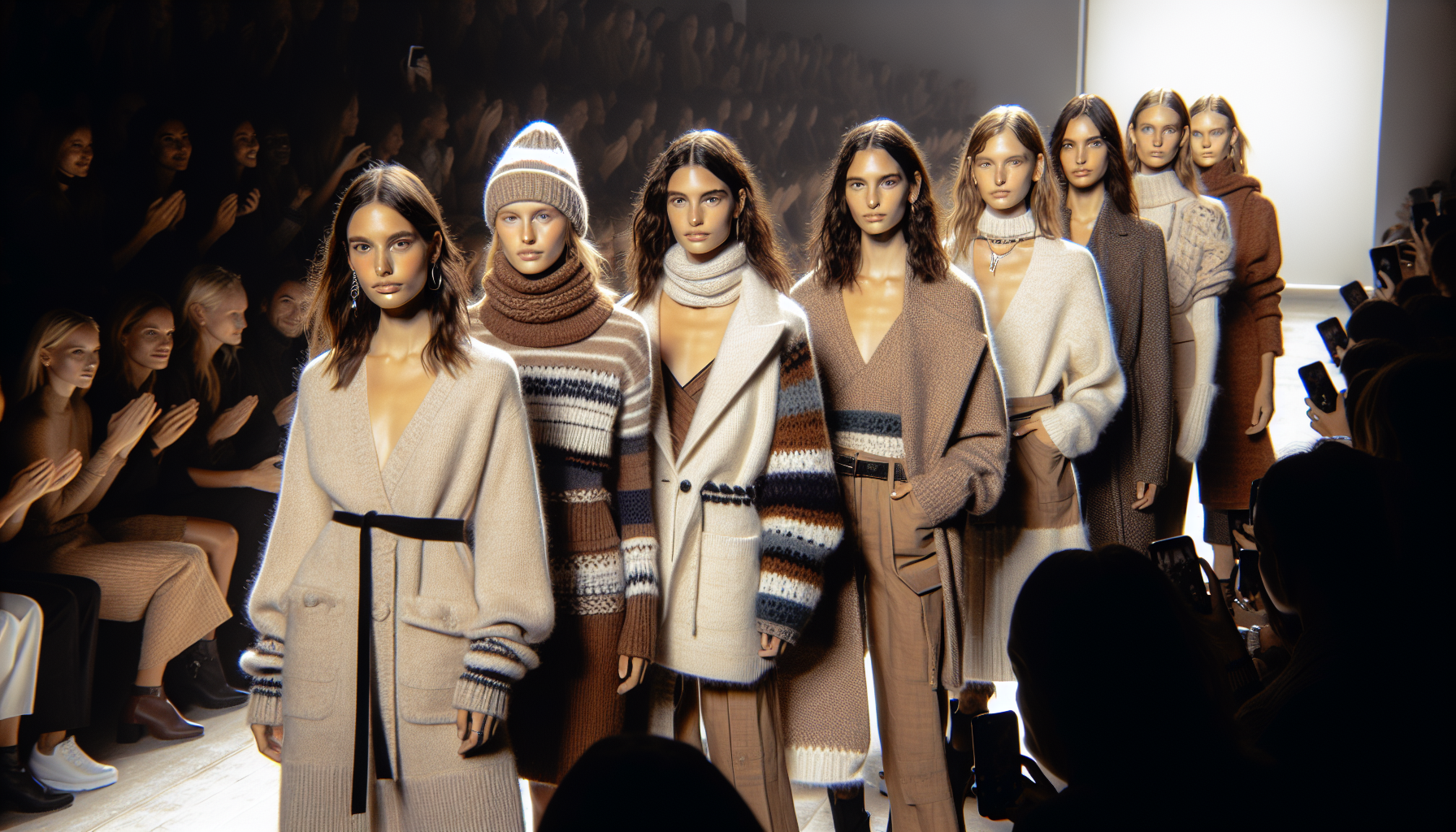
In the ever-evolving world of fashion, a quiet revolution is taking place on the runways, driven by a growing focus on sustainability and eco-conscious materials. Among the key players in this movement are regenerative wool blends, which have been steadily gaining attention for their unique properties and environmental benefits. This article delves into the subtle yet impactful presence of regenerative wool blends in high-fashion shows, exploring why they matter and how they are shaping the future of style.
Regenerative wool blends are not just another fabric trend; they represent a significant shift towards more sustainable fashion practices. As more designers and brands prioritize environmentally friendly materials, regenerative wool blends offer a viable option that marries high-fashion aesthetics with ecological responsibility. By understanding the impact of these materials, fashion enthusiasts can make more informed choices that contribute to a more sustainable industry.
Understanding Regenerative Wool Blends
Regenerative wool blends are crafted from wool produced through regenerative agricultural practices. These practices focus on improving soil health, enhancing biodiversity, and increasing carbon capture, resulting in wool that is not only high-quality but also environmentally beneficial. This holistic approach to wool production contributes to healthier ecosystems and more sustainable farming systems.
- Why it works: Regenerative wool blends offer durability, breathability, and natural temperature regulation, making them ideal for a variety of garments.
- How to choose: Look for labels or certifications that indicate regenerative practices, such as the Global Organic Textile Standard (GOTS) or Regenerative Organic Certified™.
By choosing regenerative wool blends, consumers support farming methods that restore and maintain the health of the planet, ensuring that fashion can be both stylish and sustainable. One common mistake is assuming all wool is created equal—prioritize wool with certifications to ensure its regenerative properties.
Spotting Regenerative Wool on the Runway
Regenerative wool blends are quietly making their way into designer collections, often featured in staple pieces such as coats, sweaters, and tailored separates. Their presence on the runway signals a commitment to sustainable luxury that is becoming increasingly important to consumers.
- Signature styles: Look for classic silhouettes with modern twists, like oversized blazers or minimalist dresses made from regenerative wool blends.
- Seasonal adaptations: In colder seasons, these blends are used in layering pieces, while lighter blends appear in spring and summer collections.
Fashion shows are embracing these materials, showcasing their versatility and ability to elevate everyday wear. A common pitfall is overlooking these pieces due to their understated presence; however, their quality and sustainable credentials make them worth the investment.
The Benefits of Incorporating Regenerative Wool into Your Wardrobe
Incorporating regenerative wool blends into your wardrobe offers numerous benefits beyond environmental impact. These fibers provide a unique texture and comfort that enhance the wearability and aesthetic of garments.
- Pros: Natural resilience, biodegradability, and ability to retain shape and freshness make these blends ideal for long-lasting fashion.
- Cons: Higher initial cost compared to conventional wool, but offset by durability and longevity.
For those looking to refresh their wardrobe with sustainable options, starting with a few key pieces can create a foundation that supports ethical fashion choices. Avoid the mistake of opting for fast fashion alternatives—investing in quality pieces pays off in the long run.
The Future of Regenerative Wool in Fashion
The future of fashion is being shaped by materials that offer both stylistic and ecological benefits, and regenerative wool blends are at the forefront of this transformation. As consumer demand for sustainable options grows, more designers are likely to incorporate these materials into their collections, making them a staple in high-fashion circles.
One strategy for embracing this trend is to mix regenerative wool pieces with other sustainable materials, creating a versatile, eco-friendly wardrobe. This approach not only enhances personal style but also contributes to a broader movement towards responsible fashion.
As regenerative wool blends continue to gain prominence, they present an exciting opportunity for fashion enthusiasts to make informed and impactful choices. By starting small—perhaps with a sweater or scarf—and gradually expanding to include more pieces, individuals can enjoy the timelessness and sustainability of regenerative wool. Embracing these materials encourages personal style that reflects a commitment to the environment, proving that fashion can indeed be a force for positive change. Experimentation and personal adaptation are key, allowing each piece to become a cherished part of a sustainable wardrobe without pressure or urgency.
Further Reading
For more on this topic, explore: Business of Fashion, Vogue.