How Natural Thread Binding Is Quietly Replacing Perfect Binding
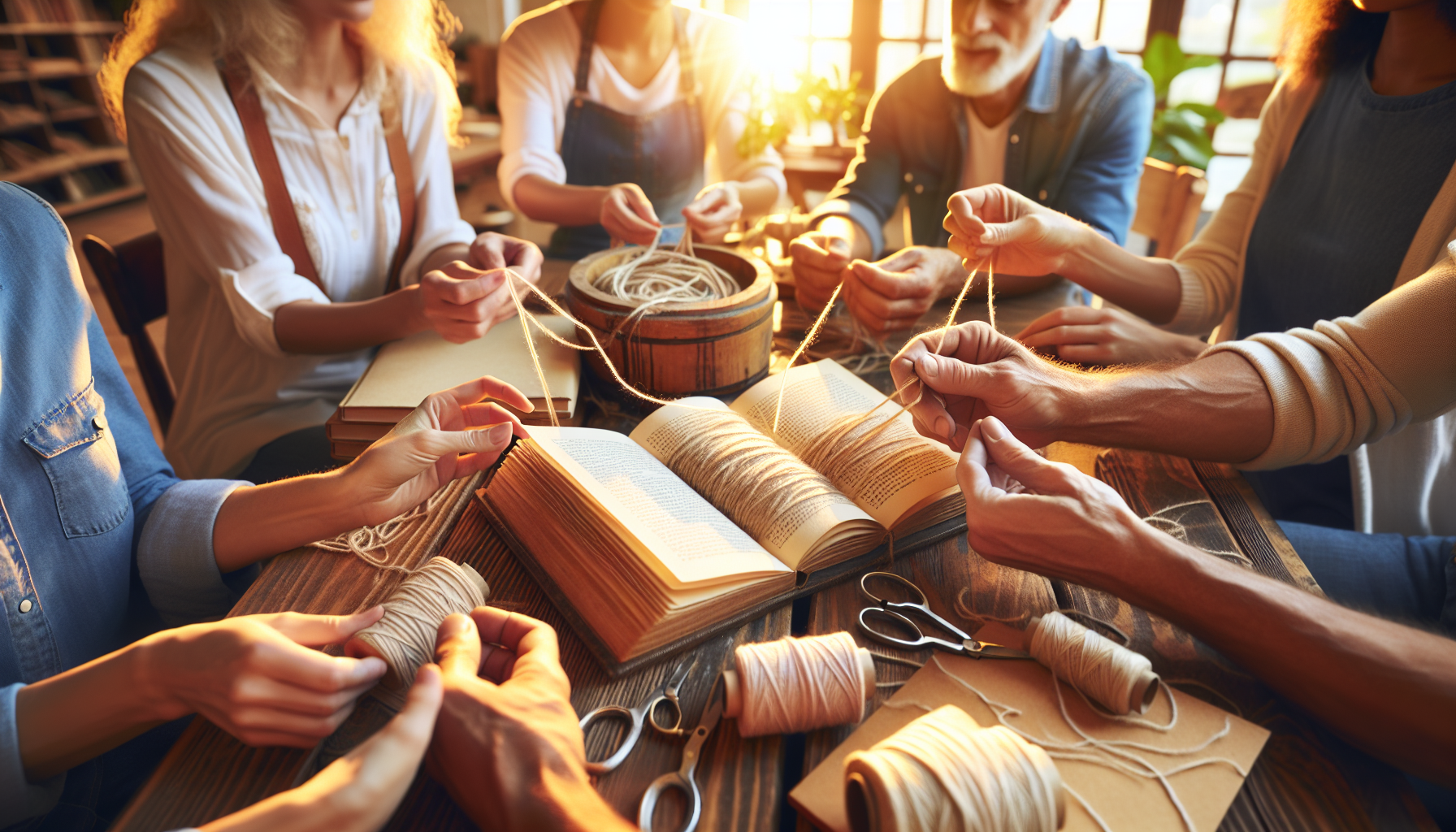
In the realm of bookbinding, a subtle revolution is underway. Natural thread binding, a centuries-old technique, is quietly making a resurgence, offering an eco-friendly and artisanal alternative to the ubiquitous perfect binding. In this article, we explore how natural thread binding is gaining favor among book enthusiasts and why it’s becoming a popular choice for creators and readers alike. Discover how this timeless technique can bring durability and aesthetic value to your personal library or creative projects.
In our fast-paced digital world, the tactile experience of a beautifully bound book can be both refreshing and grounding. Natural thread binding not only enhances the longevity of books but also adds a personal touch that mass-produced items often lack. As sustainability becomes an increasingly important consideration, choosing natural thread binding can be a meaningful step toward reducing our environmental footprint while embracing a craft that celebrates tradition and creativity.
The Basics of Natural Thread Binding
Natural thread binding, also known as sewn binding, involves stitching together sections (or signatures) of a book with thread, usually made of cotton or linen. Unlike perfect binding, which relies on glue to hold pages together, thread binding offers a flexible spine that allows the book to lay flat when open, enhancing readability and durability.
- Thread Selection: Opt for strong, natural fibers like linen or cotton, which offer durability and an earthy aesthetic. Linen thread, in particular, is prized for its strength and longevity, making it ideal for binding books that will be frequently used.
- Stitching Techniques: The most common stitches used in natural thread binding are the kettle stitch and the chain stitch. These techniques ensure the pages are securely held together, yet flexible enough to withstand regular use.
To start with natural thread binding, gather essential tools such as a bookbinding needle, bone folder, and a cutting mat. Beginners might find it helpful to follow online tutorials or take a workshop to learn the basics of stitching techniques and handling materials. Avoid the common pitfall of inconsistent tension when stitching, as it can lead to loose pages.
Environmental and Aesthetic Advantages
Natural thread binding is celebrated not only for its practicality but also for its minimal environmental impact. By choosing natural fibers and avoiding synthetic glues, you contribute to reducing chemical waste and promoting sustainable practices.
- Eco-Friendly Materials: Cotton and linen threads are biodegradable and sourced from renewable resources, making them an excellent choice for environmentally conscious creators.
- Artisanal Appeal: Each hand-bound book carries a unique charm, with visible stitching that adds character and a touch of rustic elegance. This makes them perfect for personal journals, sketchbooks, or bespoke gifts.
Incorporating natural thread binding into your projects not only reinforces the structure of books but also enhances their aesthetic value. It's important to note that using high-quality materials is crucial for ensuring the longevity of your creations. Seek out suppliers who specialize in archival-grade materials to avoid issues like yellowing or deterioration over time.
Practical Tips for Implementing Natural Thread Binding
Integrating natural thread binding into your book projects can be both rewarding and straightforward with a bit of practice. Here are some tips to help you get started:
- Start Small: Begin with smaller projects like pamphlets or notebooks to get comfortable with the technique before tackling larger books.
- Mind Your Measurements: Accurate measurements are crucial for ensuring that pages align correctly and the book has a professional finish. Use a ruler and cutting guides for precision.
- Experiment with Styles: Try different stitching patterns or thread colors to create visually striking designs that reflect your personal style or the book's theme.
Avoid rushing through the binding process. Taking your time to ensure each stitch is neat and secure will pay off in the final product. Additionally, consider the purpose and frequency of use for the book to select the appropriate weight and type of thread.
Examples and Variations
Natural thread binding can be adapted to suit a variety of styles and purposes. Here are a few variations to consider:
- Seasonal Themes: Use threads in colors that complement seasonal themes, such as warm earth tones for fall or bright pastels for spring, to create a series of bound books that mark the passage of time through the year.
- Personalized Gifts: Bind a collection of handwritten notes or favorite recipes to create a personalized gift that carries sentimental value.
- Art and Design Projects: Artists can use thread binding to create custom sketchbooks with different paper types and textures, enhancing their creative process.
When experimenting with variations, remember to test the thread and paper combination to ensure compatibility and avoid unnecessary wear on the pages. This is especially important when using heavy or textured papers that may require more robust stitching techniques.
Further Reading
For more on this topic, explore: Bon Appétit, Architectural Digest, Healthline.