How 'Mood Wardrobes' Are Replacing Rigid Seasonal Capsule Rules
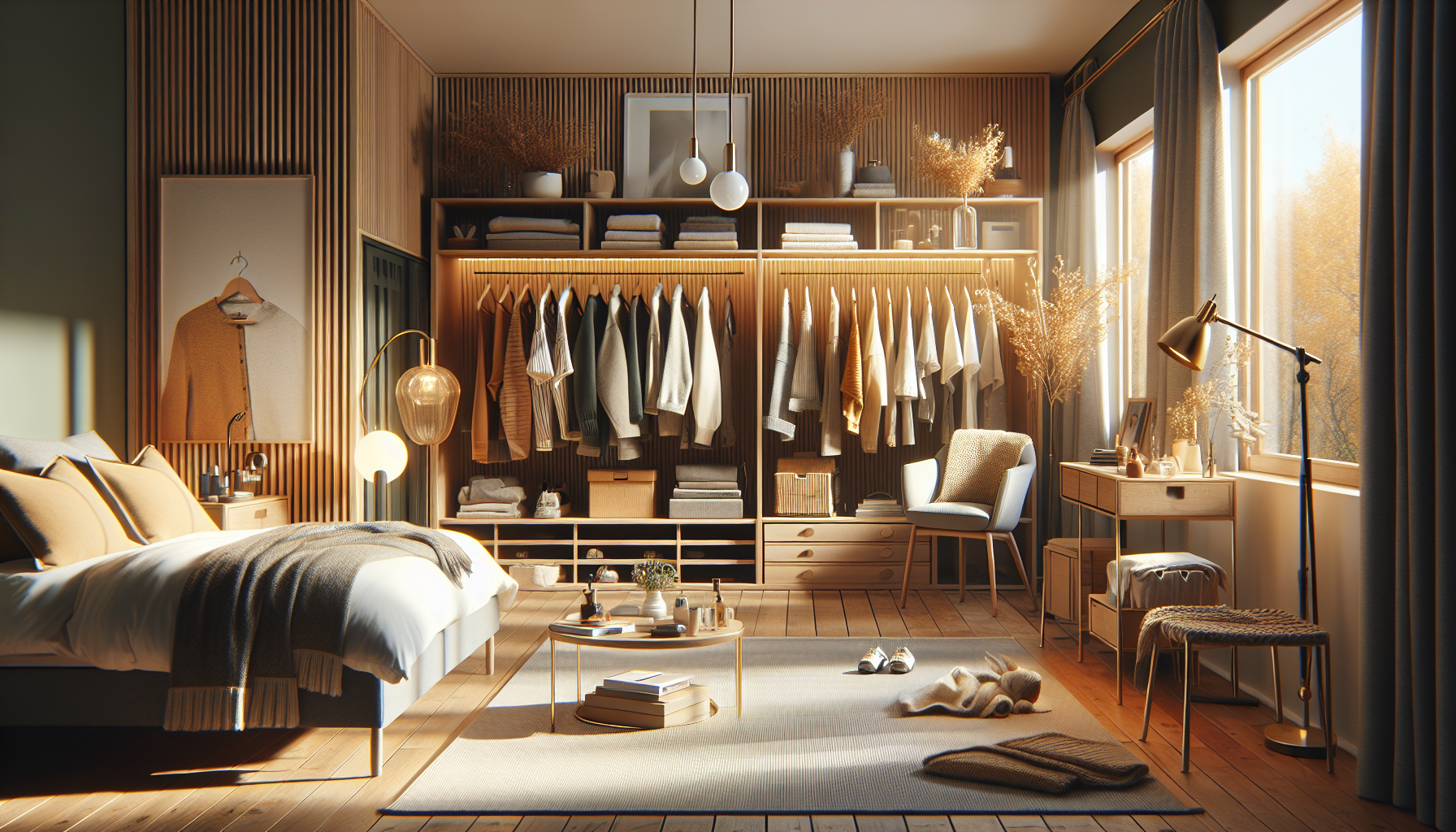
As the fashion landscape evolves, the concept of a 'Mood Wardrobe' is gaining traction, offering a flexible and personalized alternative to the traditional seasonal capsule wardrobe. This approach empowers individuals to curate their clothing selections based on their personal feelings and lifestyle needs, rather than rigid seasonal trends. By the end of this article, you'll gain practical insights on how to build a mood wardrobe, why it is beneficial, and how it can lead to a more satisfying relationship with your closet.
The significance of mood wardrobes lies in their adaptability and personalization. Unlike the conventional capsule wardrobe, which may feel restrictive, a mood wardrobe allows you to embrace your personal style and express yourself authentically. This approach saves time and enhances confidence by ensuring your wardrobe is always a reflection of who you are at any given moment, aligned with your current lifestyle and emotional state.
Understanding the Concept of a Mood Wardrobe
A mood wardrobe is centered around the idea of dressing according to how you feel and the expression of your personal style. This means that instead of strictly adhering to a set number of items for each season, you allow for fluidity and change.
- Flexibility: Embrace a varied selection that caters to different feelings and occasions, ensuring versatility.
- Authenticity: Choose pieces that resonate with your current emotional and physical state.
When creating your mood wardrobe, start by assessing your current wardrobe and identify pieces that you naturally gravitate towards. Consider the colors, fabrics, and silhouettes that you feel most comfortable and confident in. This understanding will help lay the foundation for a wardrobe that supports your lifestyle rather than dictates it.
Building Your Mood Wardrobe
To effectively build a mood wardrobe, it's essential to incorporate items that not only cater to various emotional states but are also practical for different settings.
- Core Pieces: Invest in high-quality basics such as a well-fitted pair of jeans, a classic white shirt, and versatile outerwear that can adapt to multiple looks.
- Statement Items: Select unique pieces that reflect personal flair, such as a bold scarf or a patterned blazer, which can transform an outfit.
Mix and match these pieces to create ensembles that align with your mood. For instance, on days when you seek comfort, you might opt for a cozy knit sweater paired with relaxed jeans. Conversely, if you're aiming for a more polished look, a structured blazer with tailored pants can convey confidence.
Adapting Mood Wardrobes for Different Seasons
While mood wardrobes prioritize personal expression over seasonal trends, it's still crucial to consider climatic changes. By making smart selections, you can adapt your wardrobe to be weather-appropriate without losing its essence.
- Layering Essentials: Incorporate layering pieces such as cardigans and light jackets that can transition from cooler mornings to warmer afternoons.
- Seasonal Fabrics: Opt for breathable fabrics like linen in the summer and wool blends in the winter to ensure comfort.
These adjustments ensure that your wardrobe remains functional and comfortable throughout the year, while still aligning with your personal style and mood.
Avoiding Common Pitfalls
As you embrace the concept of a mood wardrobe, it's essential to avoid certain pitfalls that may undermine its effectiveness.
- Over-Accumulation: While variety is key, avoid excessive buying by focusing on quality over quantity. Regularly edit your wardrobe to remove pieces that no longer serve you.
- Lack of Organization: A cluttered wardrobe can lead to decision fatigue. Maintain a clear and organized closet to easily access and pair your favorites.
By being mindful of these aspects, you can maintain a functional and satisfying wardrobe that truly supports your daily life.
Further Reading
For more on this topic, explore: WWD, Elle, Business of Fashion.