How 'Mood Dressing' Is Replacing Strict Seasonal Wardrobe Rules
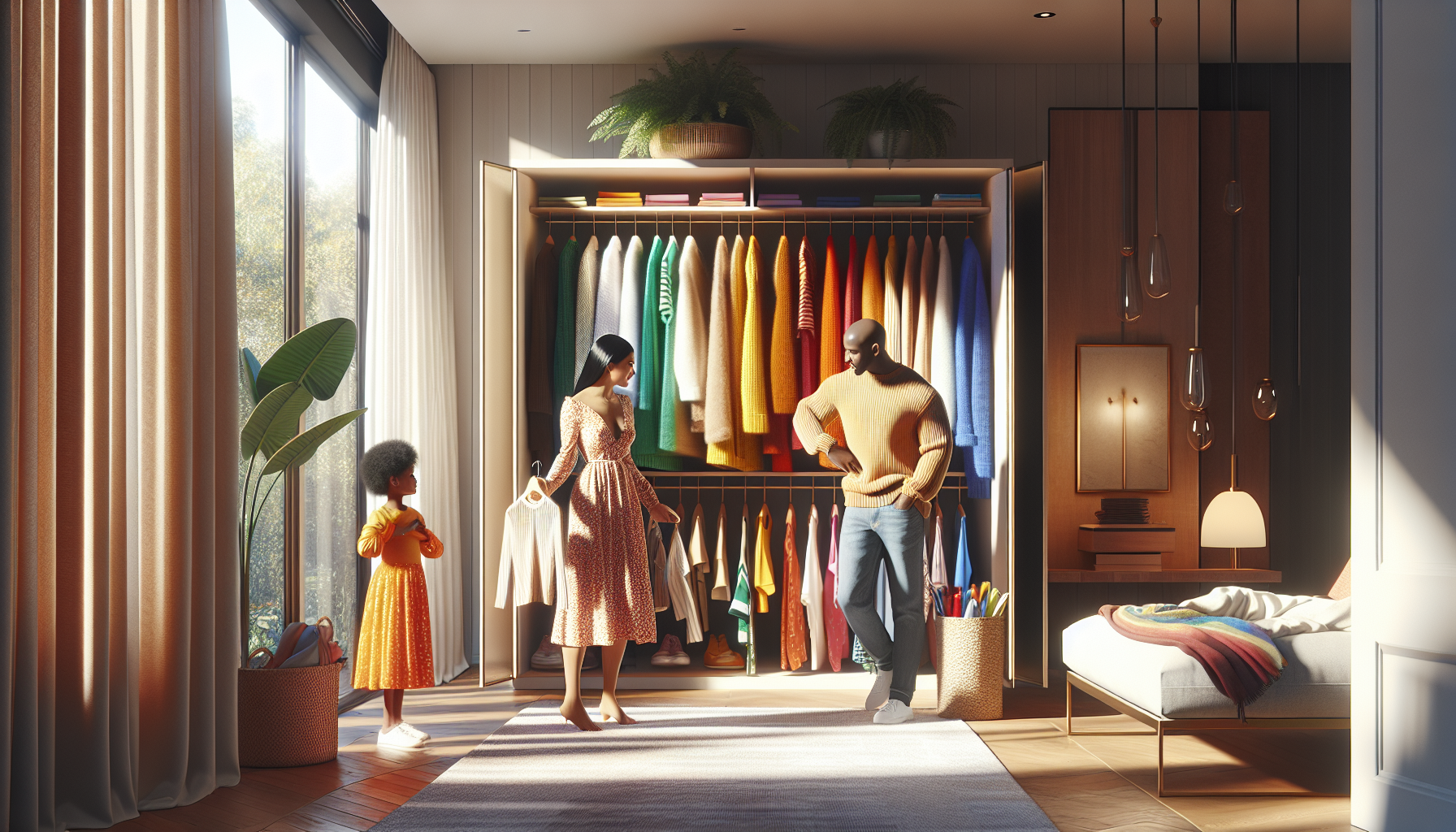
In recent years, the concept of 'mood dressing' has been gaining traction as a liberating alternative to the traditional practice of adhering strictly to seasonal wardrobe rules. Mood dressing allows individuals to select outfits that express how they feel on any given day, rather than being constrained by what the calendar dictates. This approach not only fosters creativity and self-expression but also encourages a more sustainable approach to fashion by maximizing the use of existing garments.
Why does this shift matter? For starters, mood dressing can enhance your daily routine by allowing you to dress in a way that aligns with your inner state, boosting your confidence and sense of authenticity. This thoughtful approach to dressing is mindful of both personal and environmental benefits, reducing the pressure to constantly update one’s wardrobe with the latest seasonal trends. By focusing on how clothes make you feel rather than on rigid style rules, mood dressing can lead to a more meaningful and enjoyable fashion experience.
Foundations of Mood Dressing
To embrace mood dressing, start by building a versatile wardrobe foundation that supports your emotional needs and personal style. This involves selecting pieces that are both timeless and adaptable, qualities that ensure they can be worn year-round.
- Invest in neutral basics: Choose pieces in neutral colors, like black, white, beige, and navy, which serve as the perfect canvas for any mood or occasion. These items are not only versatile but also help to ground more expressive or colorful pieces.
- Mix textures and fabrics: Incorporating a variety of textures — such as soft wools, silky fabrics, and sturdy denim — can add depth to your outfit, enhancing the complexity of your look without relying on seasonal patterns.
When curating a wardrobe for mood dressing, be mindful of how different materials and silhouettes make you feel. A cozy sweater might provide comfort on a stressful day, while a well-tailored jacket could instill confidence for an important meeting. Avoid the pitfall of buying items solely because they are trendy; instead, focus on how they fit into your personal narrative and emotional landscape.
Incorporating Seasonal Elements Mindfully
While mood dressing emphasizes personal expression over seasonal dictates, there are ways to incorporate seasonal elements without succumbing to rigid rules. This can be done by subtly adjusting your wardrobe to reflect changes in weather and light.
- Layering for adaptability: Learn the art of layering to accommodate fluctuations in temperature. Light scarves, cardigans, and versatile jackets can be added or removed as needed, allowing you to stay comfortable and stylish.
- Seasonal color palettes: Integrate seasonal colors in a way that complements your existing wardrobe. For instance, introduce muted pastels in spring or earthy tones in autumn. This approach keeps your style fresh and relevant while still centering your personal mood.
Keep in mind that seasonal dressing doesn’t mean overhauling your wardrobe every three months. It's more about making small, intentional tweaks that enhance your existing collection, ensuring that it remains aligned with both your mood and the changing environment.
“A personal stylist I once worked with shared this wisdom: 'Clothes should be worn to express oneself, not just to fit a mold of what others expect.'"
— Fashion Consultant
Practical Tips for Mood Dressing
To successfully adopt mood dressing, consider integrating these practical tips into your daily dressing routine. These strategies are designed to make getting dressed an enjoyable and intentional experience.
- Plan outfits the night before: Take a few minutes each evening to think about how you want to feel the next day. This foresight can make mornings less stressful and help you start your day on a positive note.
- Experiment with accessories: Use accessories to convey your mood creatively. Jewelry, hats, and belts are simple yet effective tools for adding personality to an outfit.
- Keep a style journal: Document your outfits and how they make you feel. Over time, this can guide you in understanding your style preferences and help you make more informed clothing choices.
Be wary of common mistakes such as over-accessorizing or choosing pieces that clash with your mood rather than enhance it. The goal is to wear outfits that genuinely reflect how you feel, not to impose a persona that doesn’t resonate with you.
Closing Thoughts on Mood Dressing
Ultimately, mood dressing offers an opportunity to transform how you interact with fashion. It encourages a deeper connection with your wardrobe, fostering creativity and authenticity. Embrace the freedom to wear what feels right and let your wardrobe be an extension of who you are, not just what you have been conditioned to wear.
As you experiment with mood dressing, remember to adapt these principles to suit your lifestyle and preferences. There’s no rush or pressure to perfect this approach; instead, enjoy the journey of discovering new ways to express yourself through your clothing choices.
Further Reading
For more on this topic, explore: WWD, Elle.