Why Tinted Sunscreens Are Quietly Replacing Foundation Layers
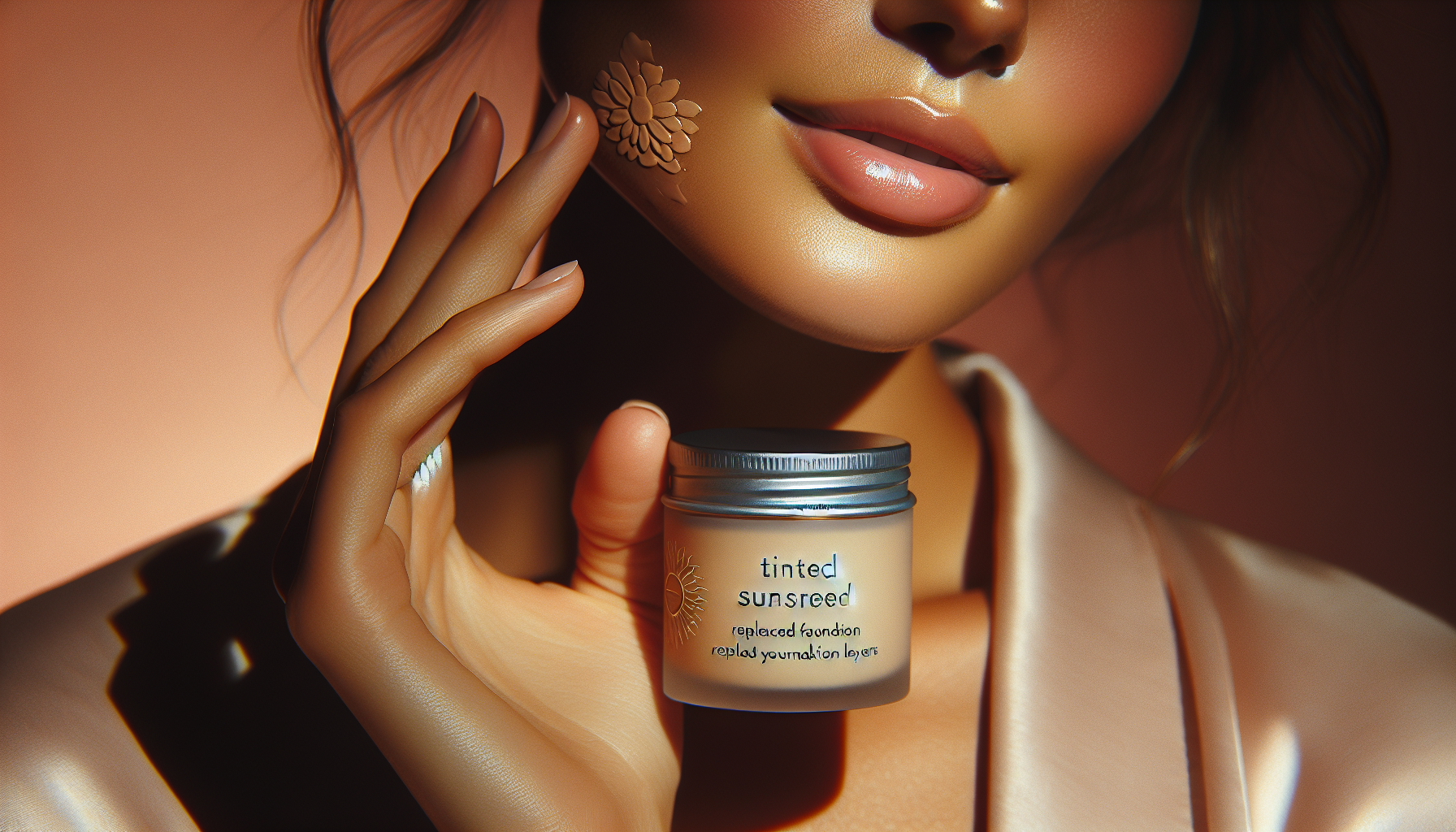
Tinted sunscreens are becoming a quiet revolution in the beauty world, challenging the traditional layers of foundation we’ve known for years. This shift is not just about evolving beauty trends, but improving skincare routines by simplifying the number of products we use daily. In this article, you'll find practical insights into why tinted sunscreens are taking over and how integrating them into your routine might be the upgrade you didn’t know you needed.
Incorporating tinted sunscreen into your everyday makeup routine offers more than just a fresh look. It’s about protection, convenience, and efficiency. By combining the benefits of sun protection with a hint of color, these products help you save time and build confidence with a more natural, radiant complexion. This no-fuss solution is especially appealing in our fast-paced lives where multitasking products are cherished.
Why Tinted Sunscreens Matter
At the heart of this trend is the dual function that tinted sunscreens serve: offering broad-spectrum UV protection while evening out skin tone. In our increasingly busy world, reducing the steps in a routine can significantly impact stress and time management. Additionally, with growing awareness around the importance of sun protection, using a product that integrates seamlessly into a beauty regime can enhance long-term skin health.
- Tinted sunscreens eliminate the need for a separate foundation layer, streamlining your routine while ensuring your skin stays protected from harmful UV rays.
- The color correction they offer can be particularly beneficial for those with minor imperfections or uneven skin tones, allowing for a natural, polished look without heavy makeup.
Choosing the right tinted sunscreen involves considering factors like your skin type, desired coverage, and the type of activities you'll be engaged in. It's crucial to avoid the common mistake of selecting a shade that doesn’t match your natural skin tone, which can detract from the seamless finish these products are known for.
Choosing the Right Tinted Sunscreen
Finding the perfect tinted sunscreen can transform your skincare and makeup routine. The key is understanding your skin’s unique needs and choosing products that align with them. Here’s a guide to help you navigate your options:
- SPF Level: Ensure that the product offers broad-spectrum protection with an SPF of at least 30 for daily use, which is the recommended level for effective protection against UV damage.
- Ingredients: Opt for formulations free of parabens and synthetic fragrances if you have sensitive skin. Ingredients like zinc oxide and titanium dioxide provide physical barriers against the sun, ideal for those with sensitive or acne-prone skin.
- Finish and Coverage: Decide if you prefer a dewy finish or a matte look. Tinted sunscreens come in various finishes to suit different preferences and skin types.
It is also wise to test the product on a small patch of skin before full application to ensure compatibility, avoiding any potential adverse reactions.
"A renowned dermatologist advises: 'Selecting a tinted sunscreen with the right SPF and shade can simplify your routine while safeguarding your skin.'"
— Dermatologist
Common Mistakes and How to Avoid Them
One of the most common mistakes with tinted sunscreens is neglecting to reapply throughout the day. Just like regular sunscreen, these products need to be reapplied every two hours for optimal protection, especially if you’re spending time outdoors. Additionally, many people apply too thin a layer, thinking it will suffice like foundation. Tinted sunscreen should be applied generously to ensure both UV protection and even coverage.
- Ensure full coverage by applying a nickel-sized amount to your face and blend well, extending to your neck and ears for comprehensive protection.
- Reapply after swimming or excessive sweating, as water can reduce the effectiveness of sunscreen.
By minding these simple practices, you can maximize the effectiveness and aesthetic benefits of tinted sunscreens.
Adapting to Different Seasons and Lifestyles
As the seasons change, your skin's needs will too. During the summer, opt for a lightweight, oil-free formula that won’t clog pores during hot weather. In contrast, a richer, more hydrating version could be beneficial during winter months when skin tends to be drier. Those with active lifestyles may benefit from water-resistant formulas that stay put through workouts and outdoor activities.
- Opt for formulations with antioxidants like Vitamin C or E, which can help combat oxidative stress from sun exposure and pollution.
Adjusting your choice based on seasonal and lifestyle changes ensures that your tinted sunscreen meets your evolving skin needs.
Further Reading
For more on this topic, explore: Vogue, Harper's Bazaar.