Why 'Skin-Tone Matching' Highlighters Are Outpacing Bold Contouring
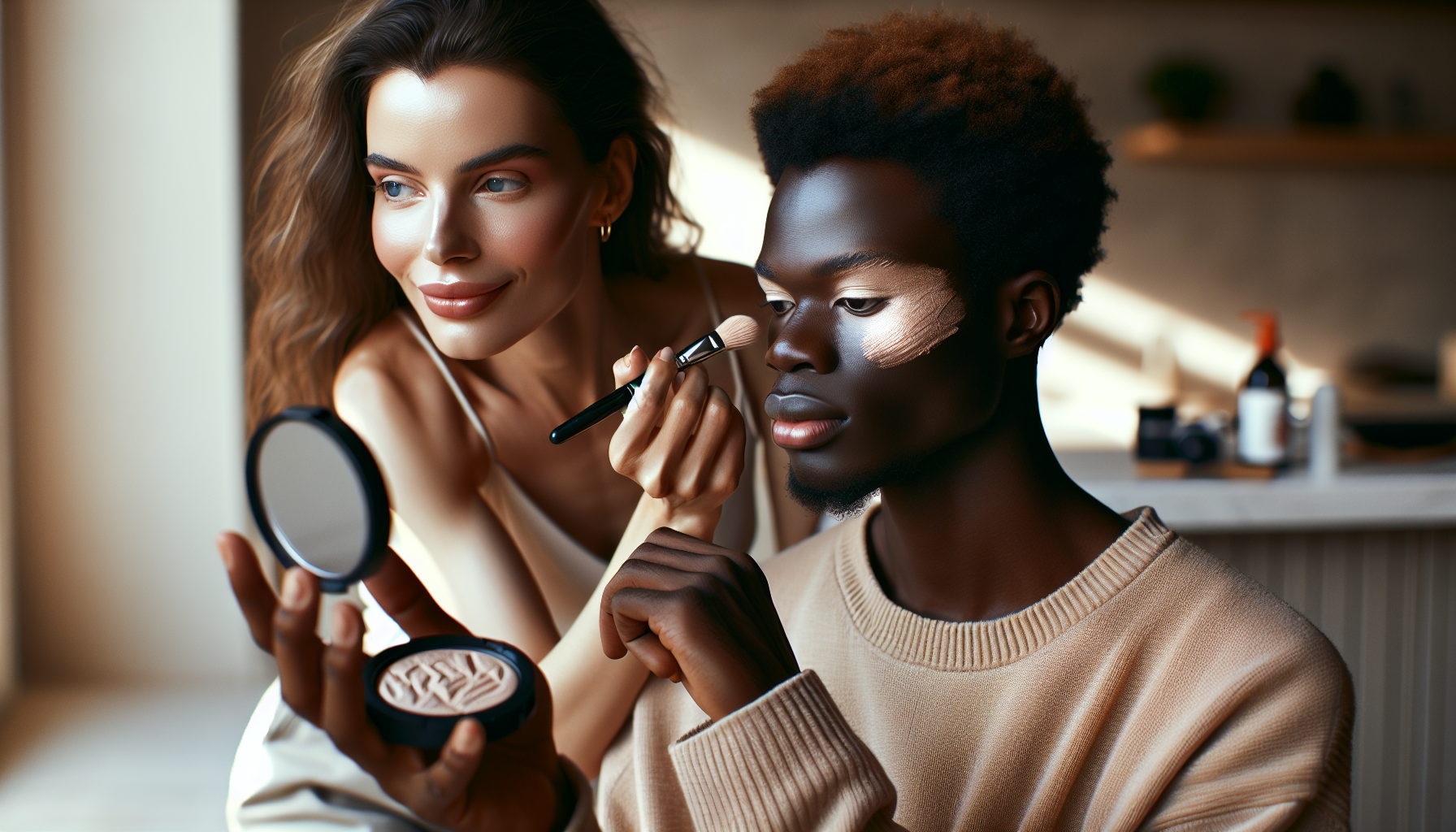
In recent years, the beauty landscape has undergone a remarkable transformation, steering away from the highly dramatic contouring trends of the past towards a more subtle and natural aesthetic. 'Skin-tone matching' highlighters have emerged as a key player in this shift, offering a refined way to enhance one's natural glow. This article will explore why skin-tone matching highlighters are becoming more popular than bold contouring, the benefits of this trend, and how you can incorporate it into your beauty routine for an effortless, radiant look.
The move towards skin-tone matching highlighters reflects a broader cultural shift towards authenticity and self-acceptance. In a world that often feels saturated with unrealistic beauty standards, finding products that enhance rather than alter can boost our confidence and save time. Instead of spending hours sculpting the face with contours and layers of makeup, skin-tone matching highlighters offer a quick, natural alternative that complements various skin undertones and works harmoniously with one's unique features.
The Appeal of Skin-Tone Matching Highlighters
Skin-tone matching highlighters cater to the growing desire for natural beauty solutions. They subtly enhance your facial features by adding a sophisticated sheen that mimics the skin's natural radiance.
- Why it works: Skin-tone matching highlighters offer a harmonious match to your natural complexion, making your skin appear luminous without looking artificial. Choosing a highlighter that complements your undertone can accentuate your natural beauty seamlessly.
To select the right highlighter, consider your skin's undertone—cool, warm, or neutral—and choose accordingly. This ensures the highlighter melds seamlessly, providing a glow that looks like it comes from within. Mistakes to avoid include choosing overly glittery or stark shades that don't blend well with your natural complexion, as these can create an unnatural appearance.
Practical Application Techniques
Applying skin-tone matching highlighters doesn't have to be complicated. Here are some practical methods to incorporate this beauty trend into your everyday routine:
- High points focus: Apply the highlighter to areas of the face that naturally catch the light, such as the cheekbones, brow bone, and nose bridge. This not only brightens these areas but also gives an overall youthful appearance.
- Layer with foundation: For a seamless glow, mix a small amount of your highlighter with your foundation and apply it all over your face. This technique ensures a dewy finish without the need for multiple products.
Be wary of overapplication, which can cause your face to look oily rather than luminous. Start with a small amount and build up as needed, allowing you to control the intensity of the glow.
Seasonal Adaptations and Variations
Different seasons may affect how you choose and apply your highlighter. During the summer months, opt for lightweight formulas that won't melt away in the heat, and consider shades that enhance your sun-kissed glow. In contrast, during winter, cream-based highlighters can help combat dull, dry skin by adding moisture and radiance.
Experiment with varying textures and finishes, such as cream versus powder, to see what works best with your skin type and climate. Creams often offer a more natural finish, while powders can provide more buildable coverage and control.
Why This Trend is Here to Stay
The inclination towards skin-tone matching highlighters over bold contouring is more than a fleeting trend—it's a reflection of a larger movement towards sustainability and minimalism in beauty. This approach not only promotes a healthy skin philosophy but also aligns with a lifestyle geared towards simplicity and intentionality.
With fewer products required and less time spent on application, you can enjoy a beauty routine that feels liberating rather than cumbersome. This not only reduces clutter in your makeup bag but also encourages a focus on skincare over heavy makeup.
Further Reading
For more on this topic, explore: Harper's Bazaar, Business of Fashion.