Why Sensory Calm Routines Are Replacing High-Intensity Wellness Trends
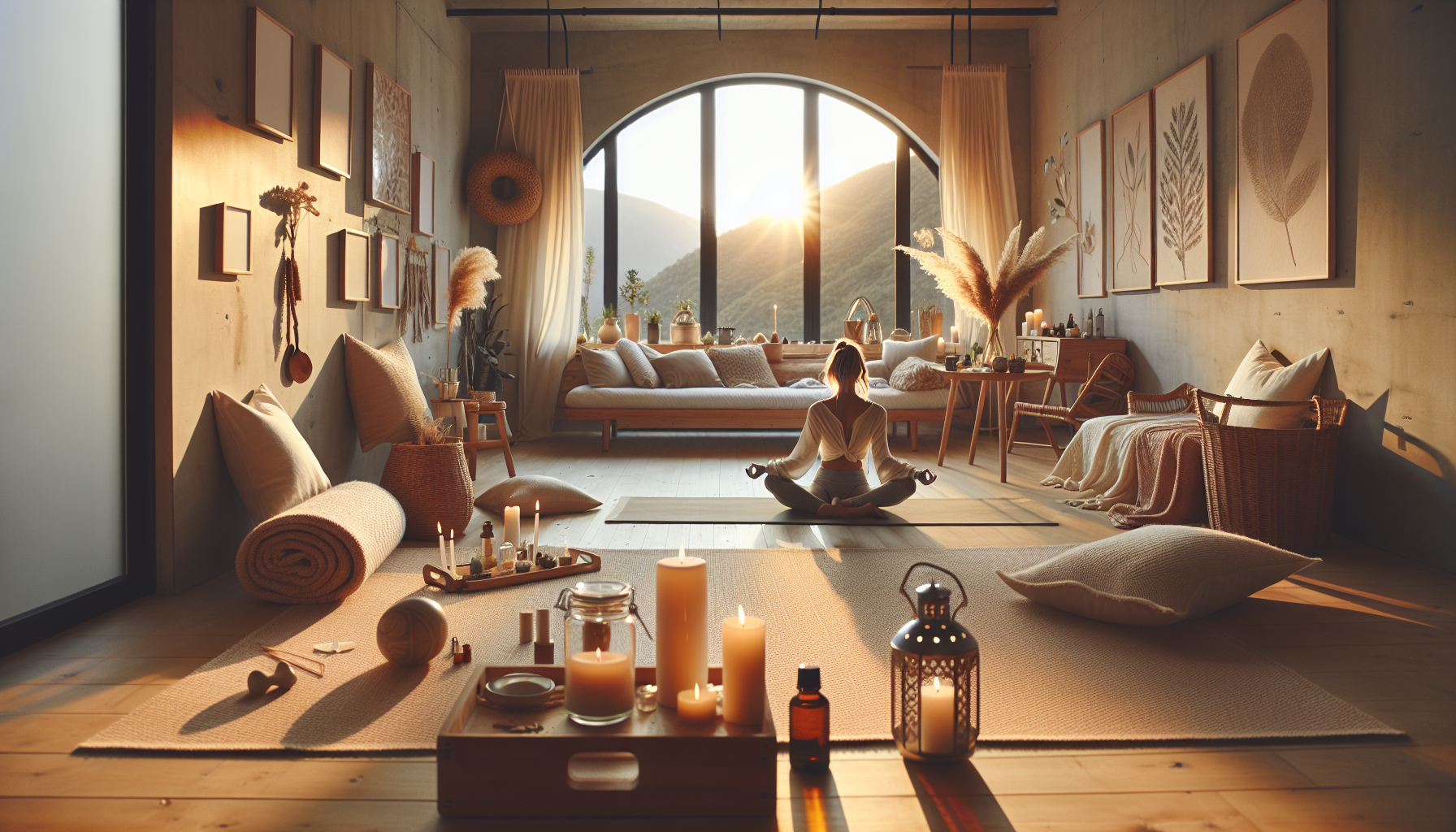
In a world that often feels fast-paced and overwhelming, many people are turning to sensory calm routines as a way to find equilibrium and peace. These routines, which focus on engaging the senses to create a soothing environment, are becoming increasingly popular as they offer a gentle alternative to the high-intensity trends that have dominated the wellness industry. In this article, you'll discover how to implement sensory calm practices into your daily life, offering genuine relaxation and enhancing your overall well-being.
The shift towards sensory calm routines is a reflection of our growing need for sustainable wellness practices that don't add stress to our lives. High-intensity wellness trends can be daunting and exhausting, often demanding more time, energy, and resources than we can spare. On the other hand, sensory calm routines are adaptable and easily integrated into any lifestyle, providing a sense of peace and balance that empowers us to navigate life's challenges with confidence.
Understanding Sensory Calm Routines
Sensory calm routines are structured practices that engage the five senses—sight, sound, touch, taste, and smell—to promote relaxation and mindfulness. These routines are designed to provide a calming environment that helps reduce stress and anxiety.
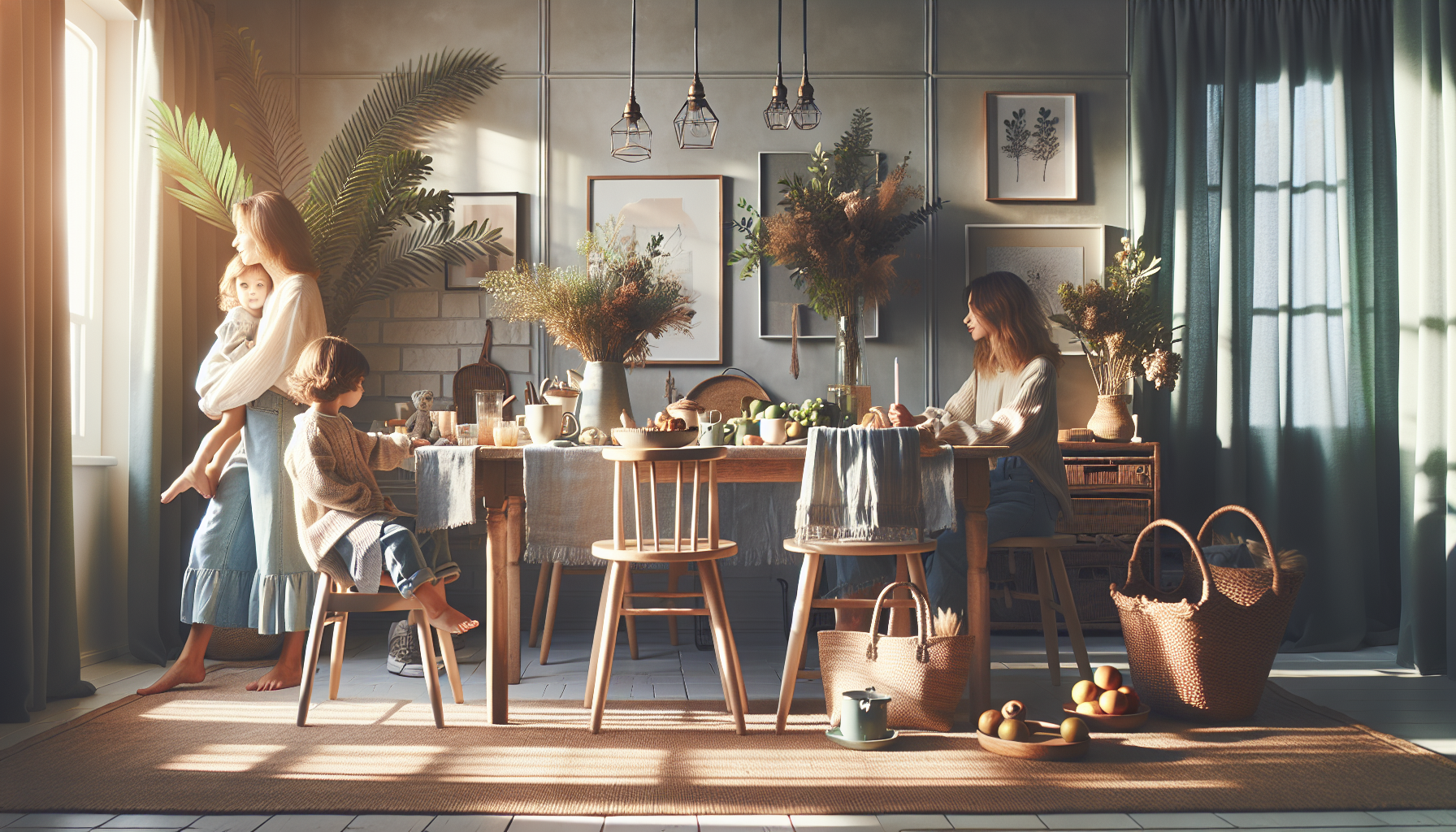
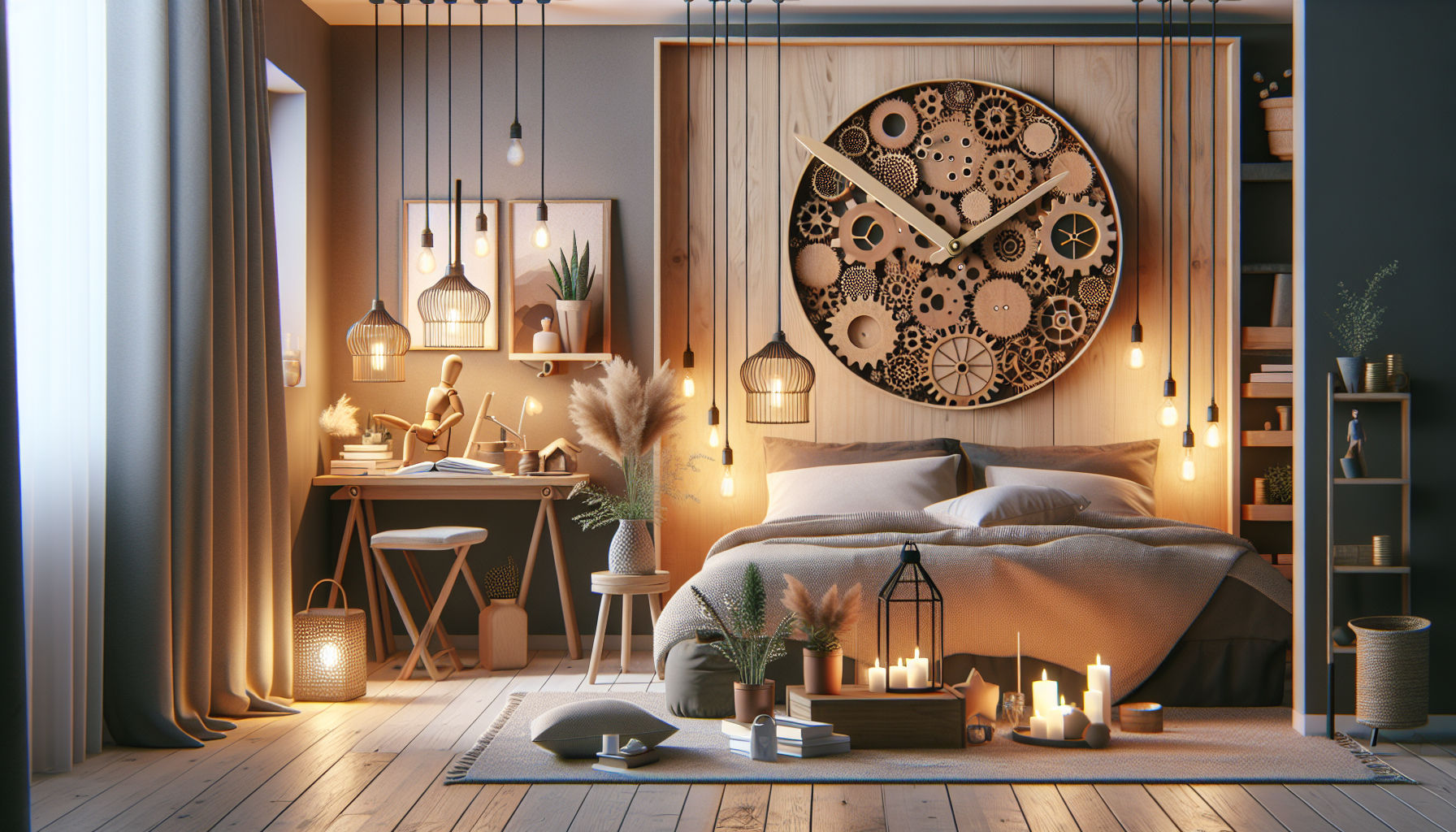
- Lighting and Visuals: Soft lighting or natural sunlight can create a serene atmosphere. Consider using candles or dimmable lights to adjust the brightness to your comfort level. Opt for soothing colors or nature-inspired decorations to enhance the calming effect.
- Soundscapes: Playing gentle music, nature sounds, or white noise can help mask distracting noises and promote tranquility. Choose sounds that make you feel calm and focused.
- Textiles and Touch: Incorporate soft blankets, comfortable clothing, or a plush rug into your space. The tactile sensation of these items can be soothing and grounding.
- Aromatic Ambiance: Scents like lavender, chamomile, or eucalyptus are known for their calming properties. Use essential oils, scented candles, or fresh flowers to introduce these aromas into your environment.
- Culinary Comforts: Indulge in foods and drinks that evoke comfort and relaxation, such as herbal teas or warm broths. The act of savoring these can be a mindful experience in itself.
By thoughtfully engaging each of your senses, you can create a personalized sensory experience that promotes a sense of calm and well-being. It's essential to experiment with different elements to find what resonates most with you.
How to Integrate Sensory Calm Routines into Daily Life
The beauty of sensory calm routines lies in their flexibility and ease of integration into daily life. Here are some practical steps to get started:
- Morning Ritual: Begin your day with a moment of stillness. Light a candle and enjoy the aroma, or listen to peaceful music as you prepare for the day.
- Midday Pause: Take a few minutes during your lunch break to step outside and immerse yourself in nature. Feel the sun on your skin and take deep breaths of fresh air.
- Evening Wind-Down: Establish a calming bedtime routine by dimming the lights, playing soft music, and diffusing relaxing essential oils.
Incorporating these sensory moments throughout the day can help maintain a consistent sense of calm and reduce the buildup of stress. It's important to remain flexible and adapt your routine based on your needs and schedule.
"Our senses are powerful tools for grounding us in the present moment and can be harnessed to cultivate peace in our lives."
— Wellness Expert
Common Mistakes to Avoid
While sensory calm routines are highly personal, there are some common pitfalls to be aware of:
- Overcomplicating the Routine: Keep your routine simple and manageable. Avoid overwhelming yourself with too many elements at once.
- Ignoring Personal Preferences: What works for one person may not work for another. Tailor your sensory experiences to your personal likes and dislikes.
- Inconsistency: Consistency is key to reaping the benefits of sensory calm routines. Commit to incorporating these practices regularly.
By being mindful of these mistakes, you can create a routine that is both effective and sustainable in the long term.
Further Reading
For more on this topic, explore: Bon Appétit, Dezeen, Architectural Digest.