Why One-Scene Masterpieces Are Outshining Multi-Act Blockbusters
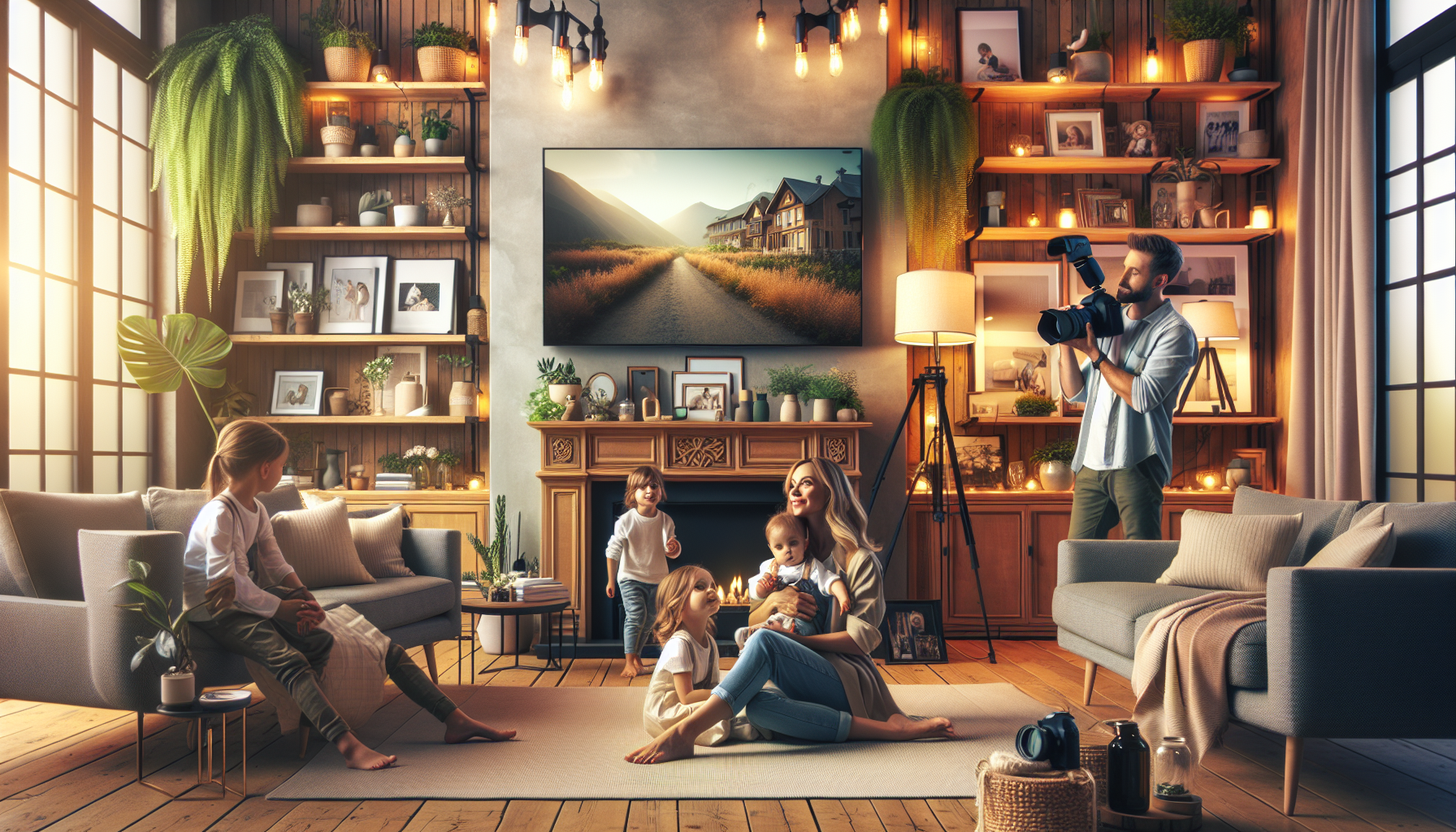
In recent years, the film industry has witnessed a fascinating shift with one-scene masterpieces captivating audiences in ways that multi-act blockbusters struggle to match. These cinematic gems, often characterized by their simplicity, focus, and profound storytelling, are winning hearts by offering an immersive and intimate experience. In this article, we'll explore why one-scene films are gaining popularity, the unique qualities that set them apart, and how they challenge traditional filmmaking norms. You'll also discover how these films can bring an enriching experience to your movie nights.
One-scene masterpieces matter because they redefine storytelling with precision and emotional depth, often demanding less time than sprawling multi-act narratives. This trend resonates with today's fast-paced lifestyle, as viewers seek high-quality experiences that respect their time. Additionally, these films often spotlight character development and narrative innovation over visual spectacle, fostering a deeper connection with the audience and nurturing an appreciation for the art of cinema.
The Appeal of One-Scene Masterpieces
One-scene masterpieces are films where the entire story unfolds within a single setting. This minimalist approach emphasizes dialogue, performance, and atmosphere over elaborate sets and special effects. These films captivate through their ability to maintain tension, build compelling narratives, and deliver powerful emotions without ever changing the scenery.
- Focus on Characters: With limited space, these films heavily rely on character interactions and development, providing actors with the opportunity to showcase their talent.
- Efficient Storytelling: The concise format requires filmmakers to craft tight, engaging scripts that keep viewers invested from start to finish.
Common mistakes to avoid when creating or choosing one-scene films include overloading dialogue without purpose and neglecting the importance of pacing, both of which can detract from the immersion and tension that these films thrive on.
Why They're Outshining Multi-Act Blockbusters
While blockbusters often rely on grand visuals and complex plots, one-scene films offer a refreshing alternative with their simplicity. This approach is increasingly appreciated for its focus on storytelling and human connection.
- Intimate Storytelling: The confined setting of one-scene films allows audiences to focus on the subtleties of the story, fostering a more personal connection.
- Accessible Formats: These films are often more accessible in terms of production, allowing for diverse voices and unique stories to be brought to the fore, which may otherwise be overlooked in blockbuster formats.
It's crucial to avoid the pitfall of assuming these films are easy to produce. While they may appear simple, executing a compelling one-scene film requires meticulous planning and a strong understanding of pacing and narrative structure.
"Simplicity in film can be deceiving; it takes masterful storytelling to capture emotions with minimal elements."
— Film Critic
How to Appreciate One-Scene Films
Appreciating one-scene films involves understanding the nuances of their storytelling and the artistry behind their creation. Here are some tips for movie enthusiasts looking to enrich their viewing experience:
- Focus on Dialogue: Pay attention to the layers of meaning in conversations, as dialogue is often the driving force of the narrative.
- Observe Character Development: Notice how characters evolve within the constraints of a single scene, revealing their complexities in subtle ways.
To avoid common pitfalls, don't rush through these films or multitask while watching. Their power lies in their ability to fully engage you in a singular experience.
In summary, one-scene masterpieces are redefining what it means to tell a compelling story on screen. By focusing on character, dialogue, and emotional depth, these films offer a meaningful alternative to the extravagance of multi-act blockbusters. Starting with one or two recommended films, viewers can gradually develop an appreciation for this genre, gaining a deeper understanding of storytelling and human connection in the process. As you explore this style of filmmaking, allow yourself the freedom to experiment and adapt your viewing habits, ultimately enriching your cinematic experiences in the long term.
Further Reading
For more on this topic, explore: Pitchfork, Variety.