Why 'Negative Space Embroidery' Is Redefining Modern Textile Stories
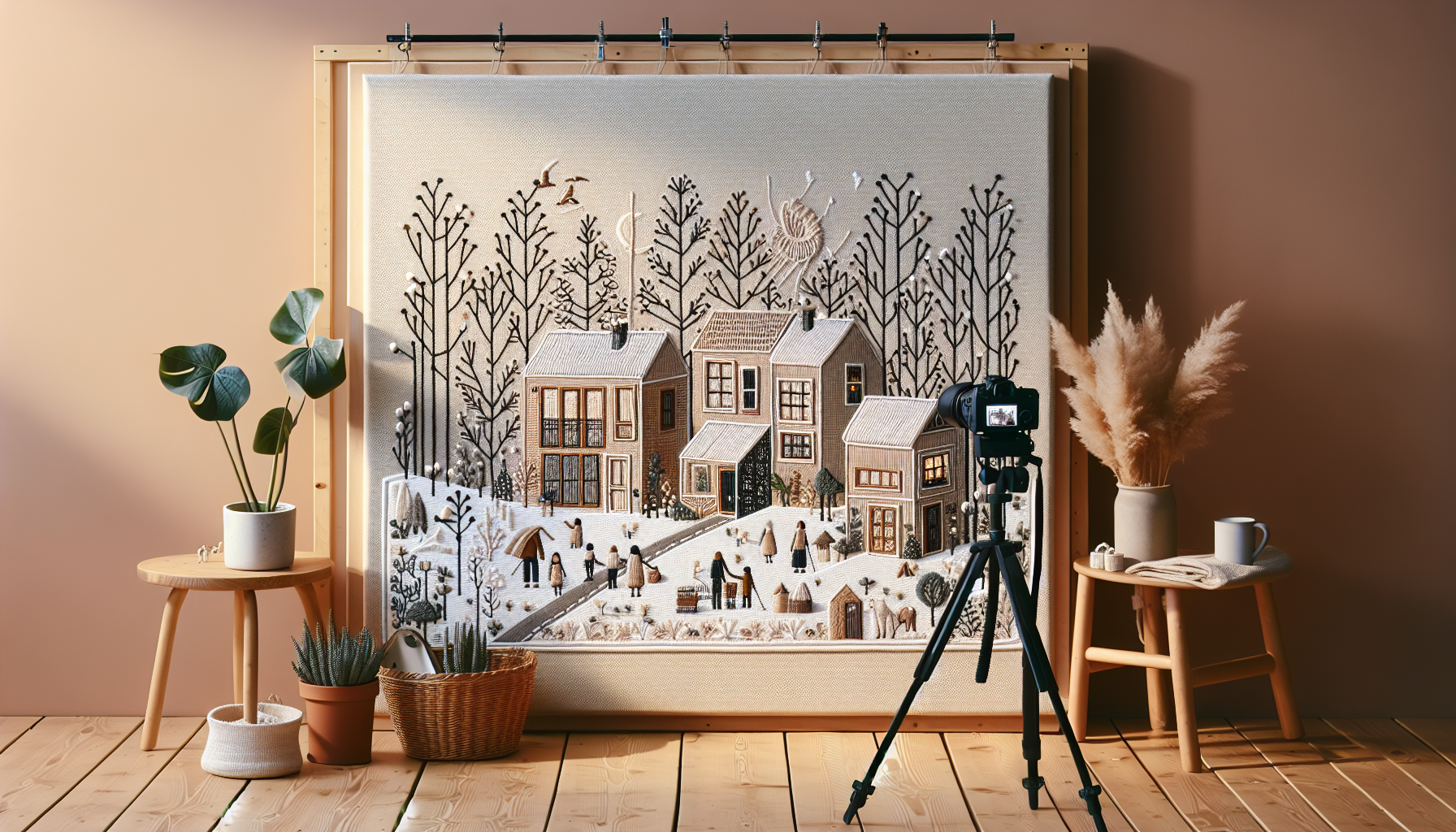
In the evolving world of textile arts, negative space embroidery is capturing the imagination of modern artisans and enthusiasts alike. Unlike traditional embroidery, this technique uses the unstitched portions of fabric to create intriguing designs, essentially using the absence of thread to tell a story. This article will delve into how negative space embroidery is reshaping our understanding of textiles and why it's gaining traction among contemporary crafters.
Negative space embroidery matters because it offers a fresh perspective in an ancient craft, encouraging creativity and innovation. As people look for meaningful hobbies that blend artistic expression with tangible results, this technique provides a path that is both meditative and rewarding. Whether you're a seasoned embroiderer or a curious beginner, this method can enhance your textile projects by adding depth and visual interest, all while promoting sustainability through minimalism.
Understanding Negative Space Embroidery
Negative space embroidery is all about the strategic use of empty areas to frame and highlight designs. By allowing certain parts of the fabric to remain untouched, the completed piece gains a dynamic interplay between filled and empty spaces, effectively drawing the eye to the intricate details.
- Start with a simple design: Choose patterns that naturally lend themselves to negative space, such as floral motifs or abstract shapes. This will help you get comfortable with balancing filled and empty areas.
- Select the right fabric: Light-colored or neutral fabrics work best as they allow both the stitched and non-stitched areas to stand out. Natural fibers like linen or cotton are ideal due to their durability and ease of stitching.
The key to mastering this technique is practice. Begin with small projects, such as bookmarks or patches, to explore different ways of utilizing space. Mistakes can happen, but they are valuable learning opportunities. Avoid overly complex patterns at the start, as they might make the negative space less effective.
Benefits of Embracing Negative Space
Embracing negative space in embroidery isn't just an aesthetic choice; it offers a range of benefits that appeal to modern crafters.
- Encourages mindfulness: The focus required to balance space and design promotes a meditative crafting experience, helping reduce stress and enhance concentration.
- Reduces material usage: By not filling every inch of fabric with thread, you save on materials, making this an eco-friendly option that aligns with sustainable crafting practices.
Moreover, this style allows for easy personalization. Artists can adapt designs to suit their personal tastes or the intended use of the textile, providing endless opportunities for customization. Common pitfalls include overcrowding the design or misjudging the balance of space. To avoid these, regularly step back from your work to assess the overall composition.
Getting Started with Negative Space Embroidery
Ready to try your hand at negative space embroidery? Here are some steps to get you started:
- Gather your materials: You’ll need a hoop, embroidery needles, your chosen fabric, and embroidery floss in diverse colors.
- Sketch your design: Use a light pencil or fabric marker to outline your design, making sure to clearly define which areas will remain unstitched.
- Begin with basic stitches: Backstitch and running stitch are excellent starting points as they are simple to execute and can be used effectively to outline designs.
As you grow more confident, experiment with more complex stitches and designs. Remember, the goal is to create a balance between stitched and unstitched areas, allowing the negative space to complement your work.
Long-Term Impact and Creative Opportunities
Over time, incorporating negative space embroidery into your projects can lead to a deeper appreciation for the subtle nuances of textile arts. Each piece you create will not only enhance your skillset but also add a unique personal touch to your collection. The long-term benefits include improved artistic expression, greater creative satisfaction, and the joy of producing work that is both beautiful and sustainable.
Starting small by integrating just one or two negative space projects into your crafting routine can make a significant difference. As you refine your techniques, you'll likely find that this method opens up new creative pathways, encouraging further exploration and innovation. Embrace experimentation, and remember that each piece you make is a reflection of your unique artistic voice.
In conclusion, negative space embroidery offers an exciting avenue for creativity in the textile arts. By balancing filled and empty spaces, you can create stunning visual stories that are both contemporary and timeless. Start with simple designs, enjoy the process, and gradually incorporate this technique into more complex projects. With patience and practice, negative space embroidery can become a rewarding part of your creative repertoire, offering endless opportunities for innovation and personal expression.
Further Reading
For more on this topic, explore: Literary Hub, Artsy, The Guardian Culture.