Why Natural Clay Sculptures Are Gaining Ground as Personal Keepsakes
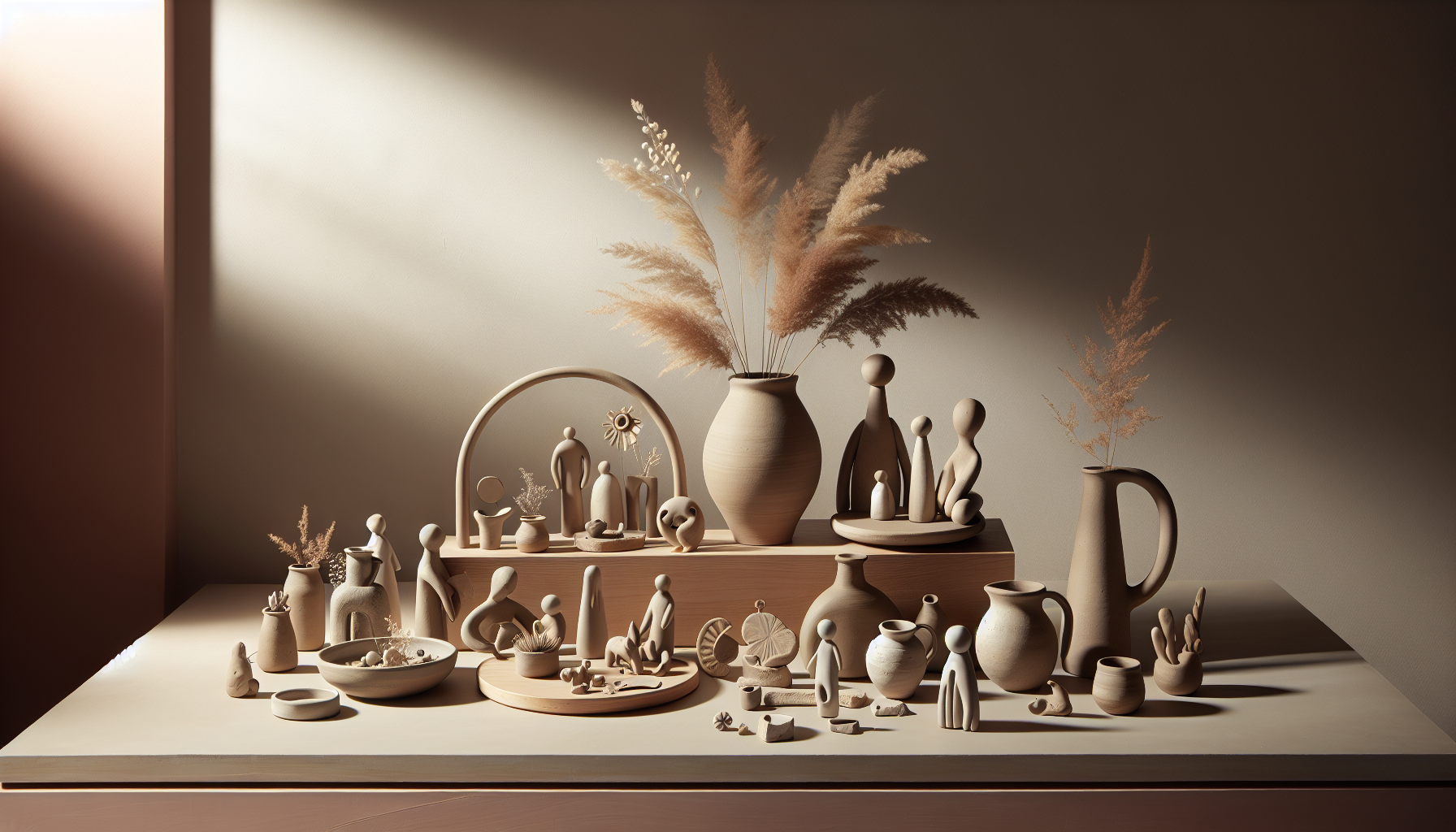
In a world filled with mass-produced items, natural clay sculptures are quietly making their way into homes as cherished personal keepsakes. These artistic creations not only add a touch of uniqueness to any space but also offer a sense of warmth and personality. In this article, we explore why natural clay sculptures are becoming popular and how you can incorporate them into your life to cultivate a more personalized and meaningful environment.
The resurgence of interest in natural clay sculptures stems from a deep-rooted desire for authenticity and individuality. In everyday life, surrounding ourselves with objects that hold personal significance can foster a sense of belonging and well-being. Natural clay, with its earthy tones and tactile qualities, helps ground us, offering sustainable, eco-friendly decor solutions that integrate seamlessly into any lifestyle.
Understanding the Appeal of Natural Clay Sculptures
Natural clay sculptures are celebrated for their versatility and ability to resonate with personal stories. Unlike factory-made items, each sculpture is unique, reflecting the artist's hand and the nuances of the natural material. This intrinsic individuality makes clay sculptures perfect for those seeking to add a personal touch to their living spaces.
- Authenticity: Choosing a clay sculpture means investing in a piece that is genuinely handmade, often with visible texture and imperfections that add character.
When selecting a clay sculpture, consider the artist's style and how it aligns with your personal taste. Opt for sculptures that evoke a sense of connection or tell a story that resonates with you.
Incorporating Clay Sculptures into Your Home
Integrating clay sculptures into your decor can be both simple and impactful. Whether you prefer minimalist aesthetics or an eclectic mix, these sculptures can enhance your space without overpowering it. Here are some practical ways to display them:
- Focal Points: Use a larger clay sculpture as a centerpiece on a mantel or shelf to draw the eye and anchor the room's design.
Be mindful of scale and proportion when arranging sculptures. Grouping several smaller pieces can create visual interest without cluttering the space. Avoid overcrowding by maintaining a balance between art and negative space.
Caring for Your Clay Sculptures
To ensure that your sculptures remain in pristine condition, it’s important to practice proper care. While clay is durable, it is not indestructible, and certain precautions should be taken to maintain its appearance.
- Dust Regularly: Gently dust your sculptures with a soft cloth to prevent buildup and preserve detail.
Avoid placing sculptures in direct sunlight or high-humidity areas to prevent fading and cracking. For outdoor pieces, consider sealing them with a non-toxic varnish to protect against the elements.
Exploring the Creative Process
For those intrigued by the creative process, engaging in clay sculpture as a hobby can be a rewarding experience. Crafting your own pieces allows you to express personal narratives and develop a deeper appreciation for this ancient art form.
- Beginner Kits: Start with a beginner's clay kit that includes essential tools and instructions, offering an accessible entry point into the world of sculpting.
Experiment with different types of clay, such as air-dry or polymer, to find one that suits your skill level and project needs. Avoid rushing the process; sculpting requires patience and practice to master.
In conclusion, natural clay sculptures are more than mere decorative items; they are vessels of personal expression and cultural storytelling. By starting with one or two carefully chosen pieces, you can gradually build a collection that enhances your living space while reflecting your unique identity. As you explore the world of clay, embrace the opportunity to experiment and personalize your home environment, allowing each sculpture to echo your evolving tastes and experiences.
Further Reading
For more on this topic, explore: The Guardian Culture, NYT Books, Artsy.