Why Miniature Art Forms Are Gaining Ground as Personal Keepsakes
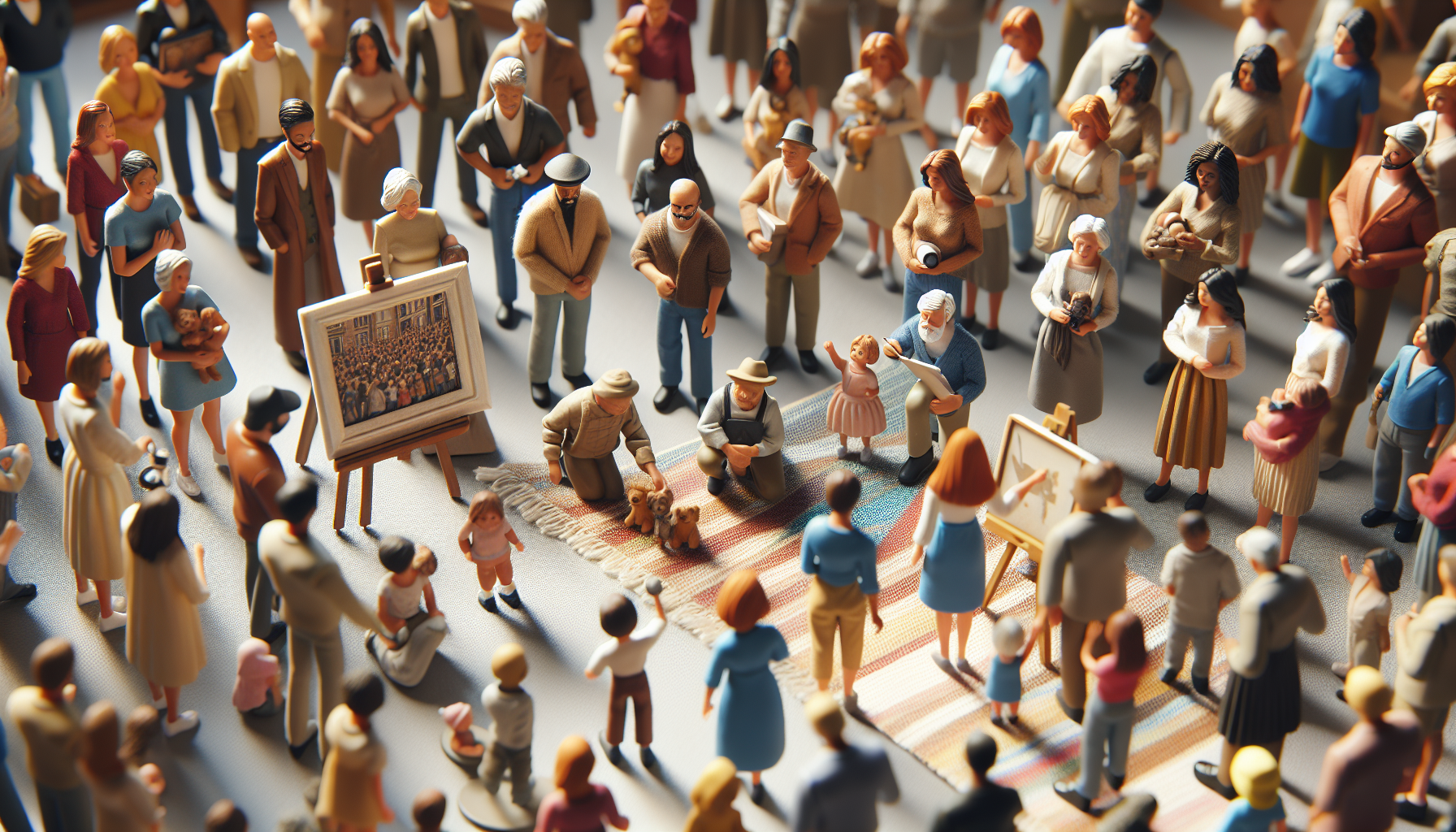
Miniature art forms, with their intricate details and personal touch, are increasingly being cherished as personal keepsakes. What might seem like a small-scale hobby is gaining ground as a meaningful way to capture memories and express creativity. This article delves into why miniature art is capturing hearts, offering practical insights into incorporating these keepsakes into your life, and how they can offer a touch of uniqueness to your personal space.
In a world where digital photography and mass-produced mementos are commonplace, the charm of a handcrafted miniature art piece lies in its uniqueness and the personal connection it fosters. Creating or collecting miniature artworks can provide a sense of accomplishment and joy, while also serving as a conversation starter in your home. Whether it's a tiny sculpture, a detailed diorama, or a miniature painting, these pieces can reflect your personality and provide a delightful way to commemorate special moments.
Understanding the Appeal of Miniature Art
The allure of miniature art lies in its ability to capture the essence of a subject in a compact form. The meticulous craftsmanship involved in creating these pieces often demands patience and a keen eye for detail. But why are individuals increasingly drawn to this art form?
- Personalization: Miniature art can be tailored to reflect individual tastes, interests, or memories, making it an intimate keepsake.
- Accessibility: Unlike larger artworks, miniatures are affordable, easy to display, and require minimal space.
- Emotional Value: Creating or collecting miniature art can lead to a sense of fulfillment, offering emotional connections to the subject matter.
When choosing miniature art, consider the subject that resonates with you personally. Avoid overwhelming yourself with complex projects initially; instead, start with simpler designs to build confidence and skill.
Essential Items to Get Started with Miniature Art
Diving into miniature art requires some basic tools and materials, but it's important to start with the essentials to avoid unnecessary expenses. Here's a rundown of what you'll need:
- Quality Tools: Invest in fine brushes, precision knives, and tweezers for intricate work. These tools ensure clean lines and detailed craftsmanship.
- Suitable Materials: Choose the right materials such as quality paper, clay, or wood depending on the type of miniature art you wish to create.
- Workspace: Dedicate a small, organized space where you can focus on your creations without interruption.
When selecting tools and materials, prioritize quality over quantity. Beginners often make the mistake of buying too many supplies at once, which can lead to clutter and confusion. Instead, focus on fewer, high-quality items that will provide better results and enhance your learning experience.
Practical Steps to Create Your Own Miniature Art
Creating miniature art requires patience and practice, but the results are rewarding. Here’s a step-by-step guide to help you get started:
- Choose Your Subject: Pick a theme or subject that inspires you, whether it's a place, a memory, or a favorite object.
- Sketch Your Idea: Start with a rough sketch to plan the composition and details of your miniature piece.
- Select Your Colors and Materials: Based on your sketch, choose colors and materials that best represent your vision.
- Craft with Care: Take your time with each element, paying attention to the details that will bring your piece to life.
- Display Your Artwork: Once completed, find a special spot in your home to showcase your miniature masterpiece.
Remember, the process is as important as the final product. Enjoy the creative journey, and don't be afraid to experiment with different techniques and styles.
"Miniature art is a testament to the artist's ability to capture vastness in detail. It invites viewers to pause and marvel at the intricacies of the world." — Art Enthusiast
Exploring Variations and Styles
Miniature art offers endless possibilities for variation. Here are some styles and adaptations to consider:
- Seasonal Themes: Create pieces that reflect the colors and themes of different seasons, adding a dynamic element to your collection.
- Cultural Inspirations: Explore miniature art styles from different cultures, such as Japanese netsuke or Indian miniatures, for a diverse collection.
- Personalized Gifts: Miniature art can be transformed into thoughtful gifts that hold personal significance for the recipient.
While exploring variations, it’s beneficial to study different styles and techniques. This practice not only broadens your perspective but also enhances your ability to create unique pieces.
Further Reading
For more on this topic, explore: Literary Hub, Artsy.