Why Home as a Wellness Sanctuary Is Redefining Daily Living
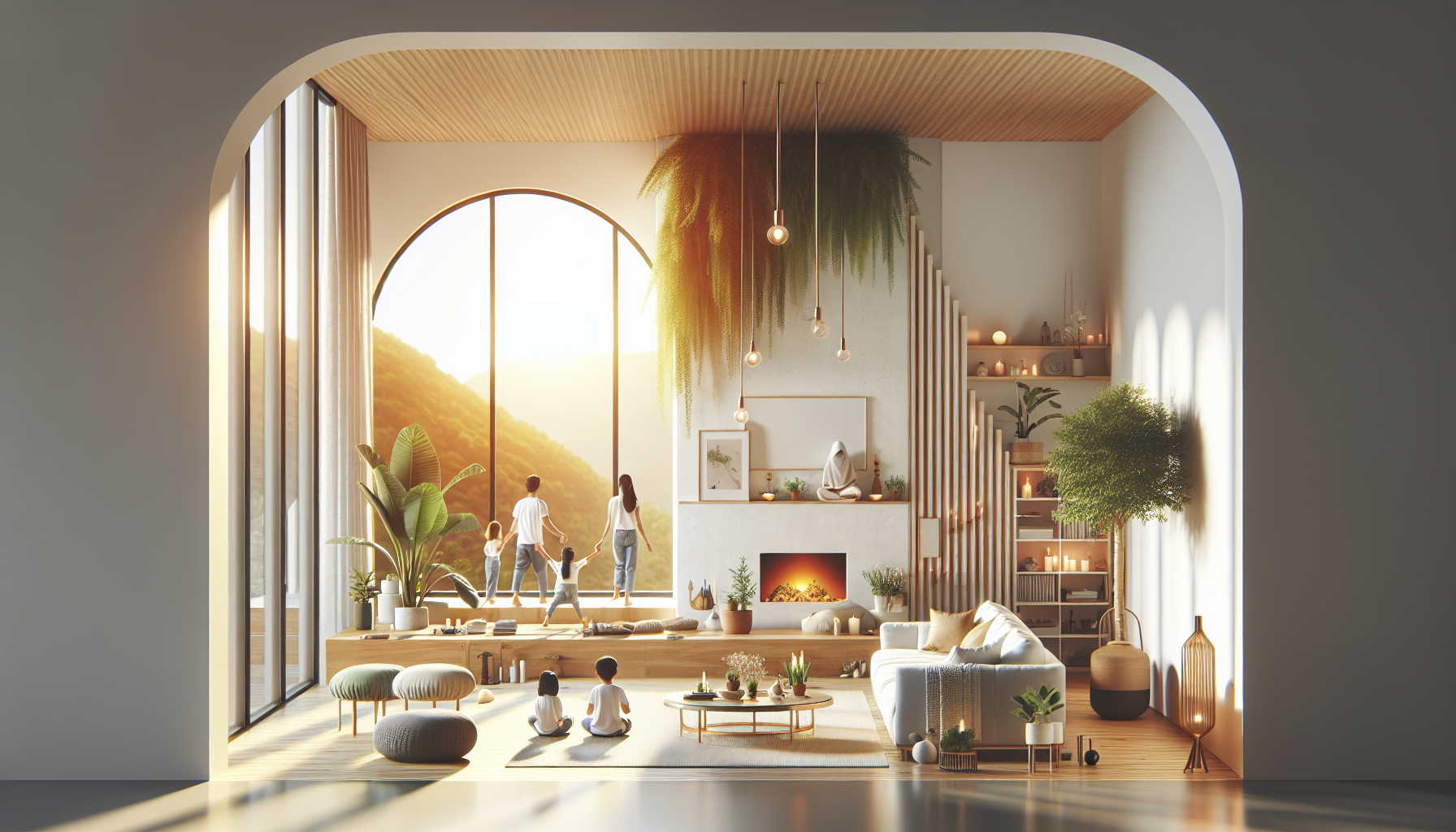
In an increasingly hectic world, the concept of transforming your living space into a wellness sanctuary is gaining traction. This idea is about more than just aesthetics; it's about creating an environment that supports your physical, mental, and emotional well-being. By the end of this article, you'll understand why this transformation matters and how to make practical, impactful changes to your home that promote relaxation, health, and happiness.
Creating a wellness sanctuary at home is essential because our living spaces profoundly affect our mood, productivity, and overall health. A well-designed environment can save time, reduce stress, and build confidence by providing a calming backdrop for our daily routines. Instead of merely being a place to eat and sleep, your home becomes a haven that nurtures and revitalizes you, playing a crucial role in sustaining your well-being.
Start with the Basics: Declutter and Organize
Clutter can cause stress and anxiety. The first step in creating a wellness sanctuary is decluttering your home. Begin by assessing each room and identifying items you no longer need or use. Donate, recycle, or dispose of these items responsibly. An organized space promotes a sense of calm and increases productivity by minimizing distractions.
- Use storage solutions like baskets, shelves, and bins to keep items tidy and accessible without overcrowding the space.
- Consider implementing a “one in, one out” rule to maintain order over time.
Avoid the common mistake of tackling the entire house at once. Instead, focus on one area at a time to prevent feeling overwhelmed. A decluttered space not only looks better but also allows for easier cleaning and maintenance.
Incorporate Natural Elements
Bringing nature indoors can significantly enhance your well-being. Plants improve air quality and have been shown to reduce stress and increase concentration.
- Choose low-maintenance plants like snake plants or succulents if you're new to gardening.
- Use natural materials such as wood, bamboo, and cotton in your home decor to create a warm and inviting atmosphere.
For seasonal variations, switch out indoor plants and decor to reflect the changes outside, providing a sense of connection with nature year-round. Be mindful of your climate and the natural light available in your home when selecting plants and materials.
Lighting: The Key to Ambiance
Lighting plays a crucial role in setting the mood of a space. Natural light is ideal, so maximize its availability by using sheer curtains or strategically placing mirrors to reflect light throughout the room.
- Supplement with warm, ambient lighting such as floor lamps or wall sconces to create a cozy atmosphere in the evenings.
- Consider smart lighting systems that adjust the intensity and color of light throughout the day to mimic natural rhythms and support your circadian cycle.
"Lighting is the silent architect of space, shaping our experience without us even realizing it."
— Interior design expert
Creating Zones for Relaxation and Activity
Designate specific areas in your home for different activities to enhance focus and relaxation. A reading nook with a comfortable chair and soft lighting can be your personal retreat for unwinding, while a dedicated workspace can boost productivity.
- Use rugs, furniture placement, and decor to visually separate these zones without needing structural changes.
- Make the most of vertical space with wall-mounted shelves and multifunctional furniture to accommodate different activities in smaller homes.
Avoid turning every space into a multipurpose area, which can lead to clutter and confusion. Instead, be intentional about the function of each area to maximize their benefits.
Sensory Enhancements: Elevate with Scents and Sounds
Engage your senses by incorporating soothing scents and sounds that complement your sanctuary. Essential oils and natural candles can create an inviting aroma, while gentle music or a white noise machine can enhance relaxation.
- Choose scents like lavender or eucalyptus for calming effects, or citrus for an energizing boost.
- Use sound machines to provide a backdrop of nature sounds or soft instrumental music to maintain a serene environment.
Personalize these sensory elements to your preferences, and adjust them according to the time of day or season to keep the experience fresh and comforting.
Transforming your home into a wellness sanctuary is a journey, not a destination. Start with one or two small changes to avoid feeling overwhelmed, and build upon them over time. As you create this environment, you'll likely notice incremental benefits such as reduced stress and increased confidence. Embrace this process as a personalized adventure, experimenting with what works best for you and adapting as your needs change. Ultimately, your home should be a reflection of your journey towards well-being, offering a sanctuary to return to at the end of each day.
Further Reading
For more on this topic, explore: Eater, Healthline, Dezeen.