Why Field-Recorded Layers Are Defining the New Ambient Landscape
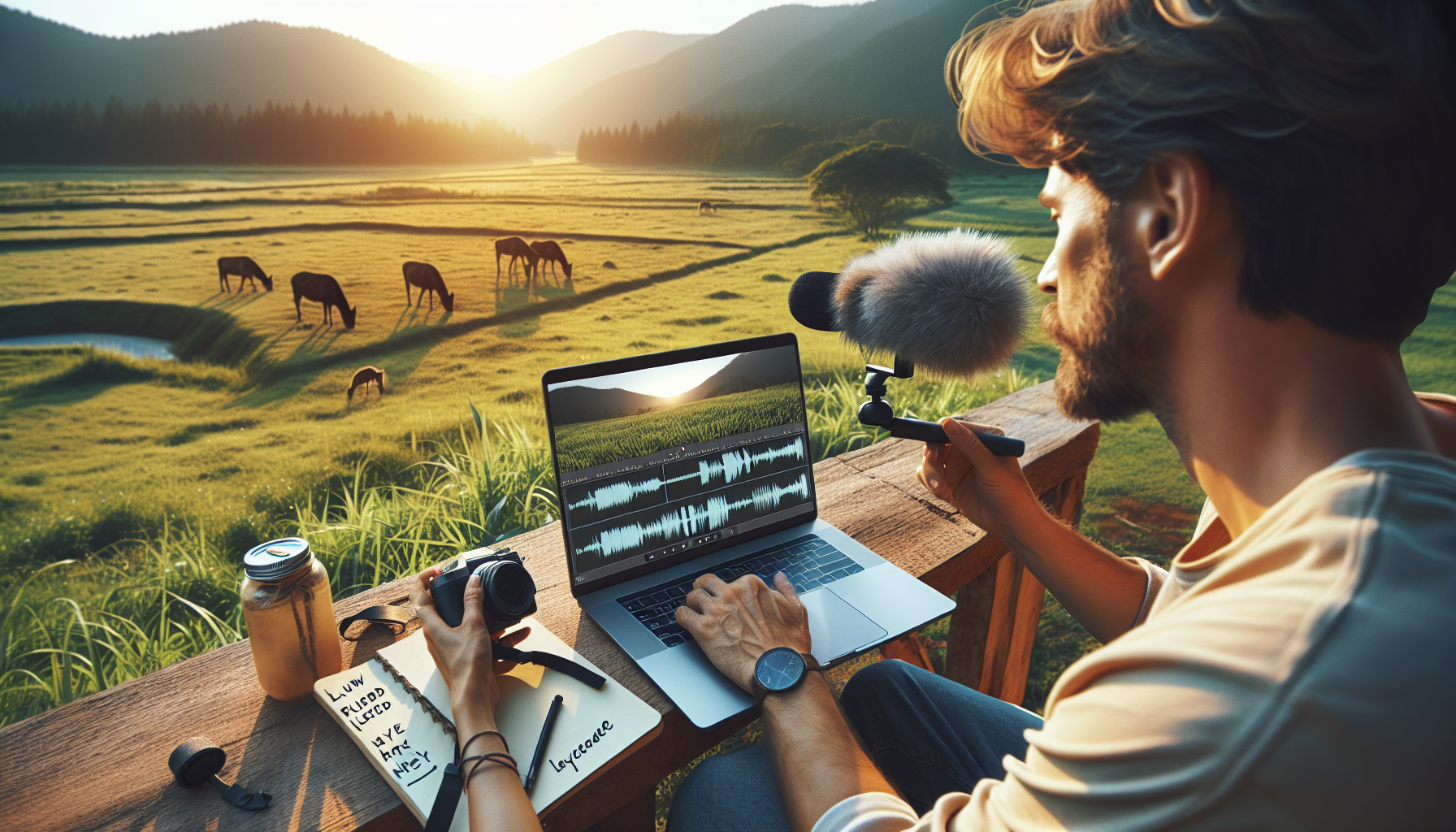
In recent years, the ambient music landscape has experienced a profound transformation, with field-recorded layers becoming a defining element. This nuanced approach brings the environment into the musical experience, offering listeners an immersive soundscape that blurs the lines between reality and art. By understanding the significance of these natural sounds, we can appreciate their role in creating a deeply personal and resonant auditory experience. In this article, you'll discover why field-recorded layers are reshaping the ambient genre and how you can incorporate these elements into your own creative projects.
The reintegration of natural sounds into ambient music is more than just a trend; it's a creative expression that enhances the listener's connection to the music. Field recordings add a layer of authenticity and texture that studio-created sounds often lack. Whether it's the gentle rustling of leaves, the distant hum of city life, or the rhythmic pattern of raindrops, these elements offer a grounding effect, cultivating mindfulness and presence. Embracing field-recorded layers allows both creators and listeners to explore the intricate beauty of the natural world, making music a shared experience that resonates on a deeper level.
Understanding Field Recordings and Their Appeal
Field recordings are audio captures of natural environments, human activity, or specific soundscapes that occur outside a controlled studio setting. These recordings are prized for their authenticity and have been embraced by ambient musicians to create soundscapes that are both organic and expansive.
- Authenticity: Field recordings offer an unfiltered, genuine sound that can evoke emotions and memories, making the music more relatable and personal.
- Texture and Depth: The inclusion of natural sounds adds layers to the composition, creating a rich and multifaceted auditory experience.
To effectively use field recordings, it's essential to choose sounds that complement the intended mood of your piece. Mistakes to avoid include overloading a track with too many disparate sounds, which can overwhelm the listener, or using recordings that clash with the musical elements.
Incorporating Field Recordings into Your Music
Integrating field-recorded layers into your music begins with thoughtful selection and careful placement. Begin by identifying the mood or theme of your piece and consider which natural sounds enhance this theme. Here are some practical steps to follow:
- Create a Library: Build a diverse collection of field recordings to draw from, considering various environments such as forests, urban settings, and bodies of water.
- Balance and Blend: Mix the field recordings at an appropriate volume to ensure they complement rather than overpower the music. Experiment with EQ and reverb to seamlessly integrate these layers.
While experimenting, listen critically to ensure the field recordings enhance the music without distracting from it. A common pitfall is failing to edit or clean up recordings, which can result in unwanted noise detracting from the composition.
Exploring Different Themes and Techniques
Ambient music thrives on diversity, and field recordings can be tailored to suit various themes and seasons. Consider these applications:
- Seasonal Variations: Capture the essence of different seasons with field recordings, such as winter winds, spring showers, summer waves, or autumn foliage rustling.
- Emotive Landscapes: Use specific sounds to evoke particular emotions, like ocean waves for calmness or bustling markets for energy.
These thematic choices not only enhance the music but also allow listeners to fully immerse themselves in the auditory journey. Avoid the mistake of using clichéd or overused sounds, which can detract from the unique voice of your composition.
Practical Tips for Aspiring Ambient Artists
- Location Scouting: Identify locations that offer unique auditory experiences, such as remote nature trails or vibrant urban centers.
- Experimentation: Don't be afraid to manipulate and process recordings to create new textures and effects that align with your artistic vision.
Remember to respect the balance between the field recordings and musical elements to create a harmonious blend. Over time, you'll develop the ability to intuitively understand which sounds enhance your music, making the incorporation of field-recorded layers a natural extension of your creative process.
As you embark on your ambient music journey, remember that incorporating field-recorded layers is about capturing the world around you and presenting it in a way that is both personal and universal. Start with one or two sounds that resonate with you, and gradually expand your palette. The long-term benefits of this approach include a deeper connection to your work and a more engaged audience. Encourage your own experimentation and personal adaptation, making ambient music a reflective and rewarding experience without the pressure of immediate perfection.
Further Reading
For more on this topic, explore: Rotten Tomatoes, BFI, Rolling Stone.