Why Community Quilting Circles Are Redefining Collaborative Art
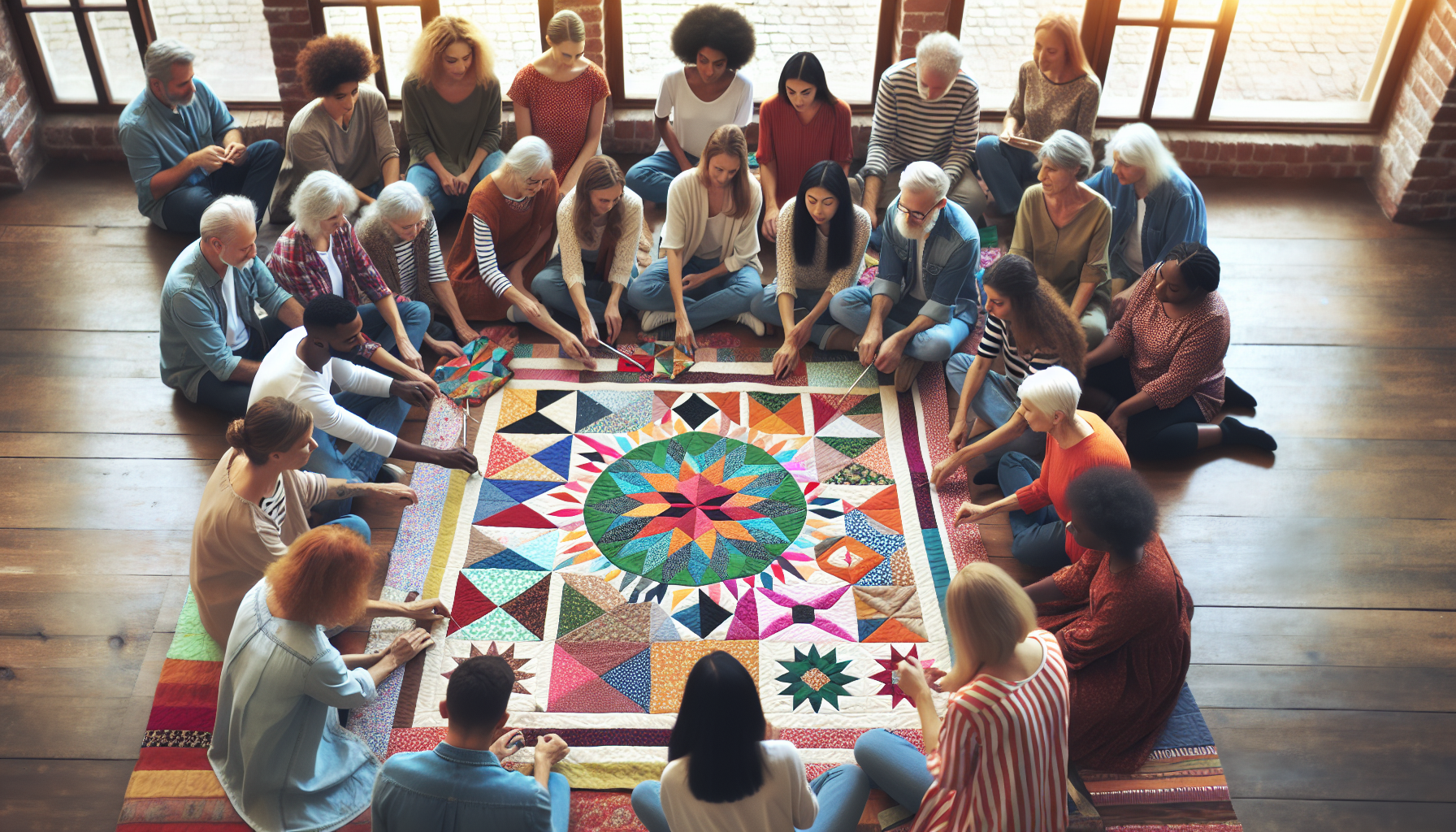
Community quilting circles have been quietly transforming the world of art, turning the act of quilting into a vibrant, collaborative process that not only produces beautiful artifacts but also builds supportive communities. These circles, which bring together people of various backgrounds and skill levels, redefine collaborative art by fostering creativity, sharing knowledge, and encouraging personal expression. In this article, you'll discover how participating in a quilting circle can enrich your life through the joys of communal creativity and the satisfaction of making something tangible and lasting.
In our fast-paced, technology-driven world, finding time for creative pursuits can seem daunting, but the benefits are substantial. Community quilting circles offer a unique opportunity to unwind, connect with others, and create beautiful art pieces in a supportive environment. This collaborative approach encourages a sense of belonging and community, providing emotional and mental health benefits that stem from establishing connections and participating in a shared creative process. By understanding the value of quilting circles, you can start your journey into this rewarding form of collaborative art that prioritizes connection and creativity without the pressure of perfection.
Understanding the Basics of Quilting Circles
Quilting circles, also known as quilting bees, are gatherings where individuals come together to sew and craft quilts. These circles can be formal or informal, and they typically involve participants of varying skill levels. The primary goals are to share knowledge, collaborate on projects, and enjoy the process of creating together.
- Supportive Environment: Quilting circles provide a safe space for beginners and experienced quilters alike. The emphasis is on learning and supporting each other rather than competing.
The supportive nature of these circles makes them particularly effective in fostering a sense of community. Participants often share resources such as fabric and patterns, which not only reduces costs but also encourages sharing and collaboration.
The Creative Process and Its Benefits
The collaborative art of quilting offers numerous creative and personal benefits. Engaging in communal projects allows participants to explore different styles and techniques, broadening their artistic horizons. It also encourages the sharing of stories and personal experiences, which can be woven into the fabric of the quilts themselves.
- Skill Development: By working on diverse projects, you can enhance your quilting skills and learn from others. This continuous learning can be both satisfying and motivating.
The act of quilting together fosters creativity, as you're surrounded by the ideas and input of others. This can lead to innovative approaches and unique quilt designs that reflect the rich tapestry of the group's collective experiences.
Making Quilting Circles Work for You
Whether you're a seasoned quilter or just starting, finding or creating a quilting circle can be a deeply rewarding experience. Here are some steps to help you get started:
- Find a Local Group: Check community centers, libraries, or online forums for existing quilting circles. Many groups welcome new members with open arms.
- Start Your Own Circle: If you can't find a local group, consider starting one. Reach out to friends, post on community boards, or use social media to gather interested individuals.
When establishing a quilting circle, consider setting a regular meeting schedule and a comfortable, spacious location. This consistency helps build routine and commitment, while the space encourages creativity and collaboration.
Overcoming Common Challenges
Despite the many benefits, quilting circles face several challenges, including scheduling conflicts and varying skill levels among members. Here are some ways to navigate these issues:
- Flexible Scheduling: Try to accommodate different schedules by offering varied meeting times or occasional weekend retreats.
- Skill Sharing: Encourage more experienced quilters to mentor newcomers, fostering a supportive learning environment.
By acknowledging and addressing these challenges, quilting circles can continue to thrive and serve as a nurturing space for creativity and community building.
In conclusion, community quilting circles represent a beautiful blend of collaborative art and social connection, offering numerous benefits to participants. Even if you start with a simple project or a small group, the long-term advantages of joining a quilting circle are significant. You’ll not only improve your quilting skills but also build lasting friendships and contribute to meaningful, communal art pieces. By embracing the concept of quilting circles, you can enhance your creativity, reduce stress, and enjoy the satisfaction of creating something beautiful with others. So why not take the first step and explore this enriching and fulfilling art form?
Further Reading
For more on this topic, explore: Smithsonian Magazine, Artsy, NYT Books.