Why Community Mural Projects Are Redefining Public Art Spaces
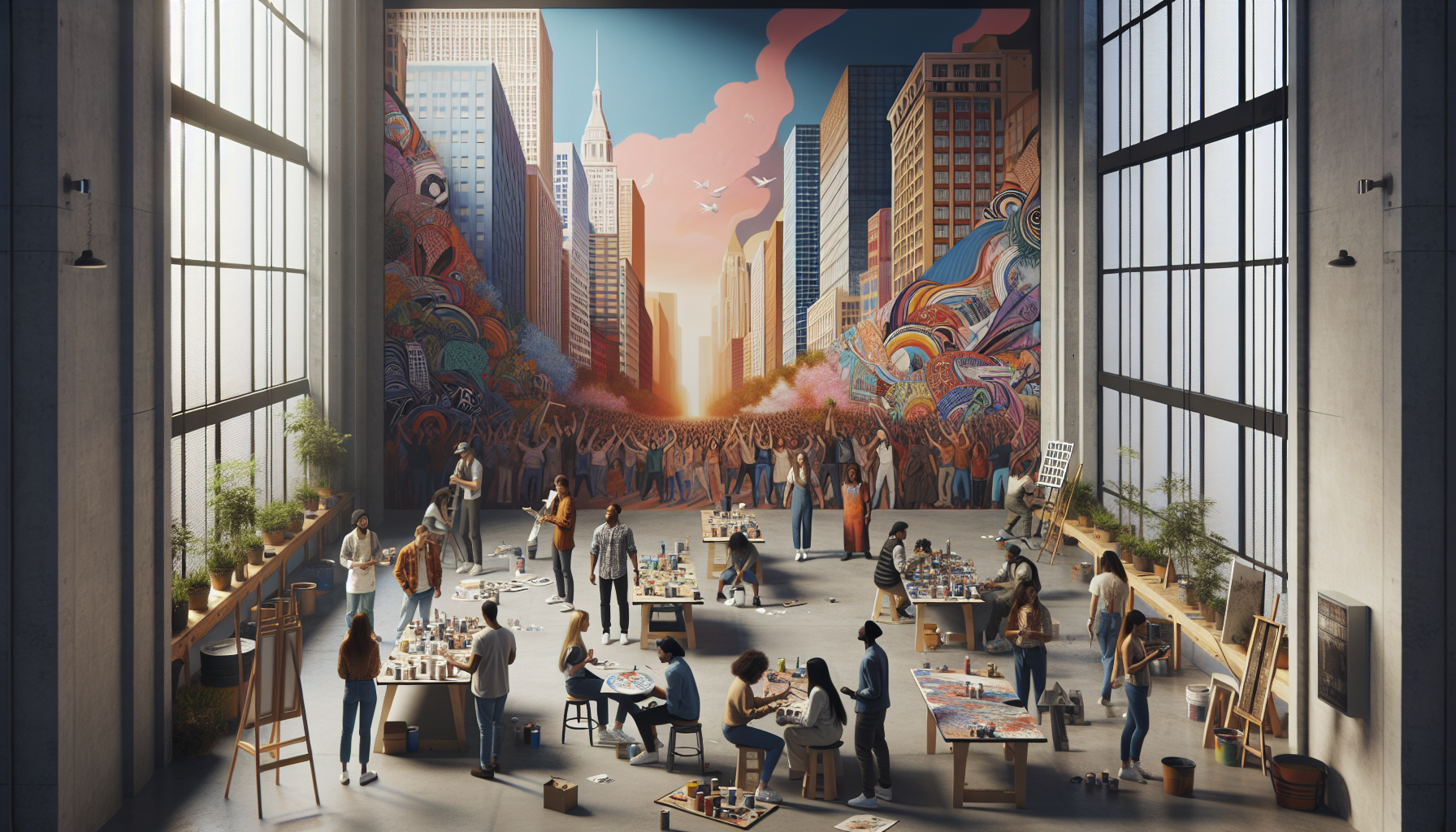
In recent years, community mural projects have been transforming public art spaces, bringing vibrant colors and meaningful stories to urban landscapes. These projects go beyond mere aesthetics, fostering collaboration, cultural expression, and community pride. This article will explore the reasons why community murals are redefining public art and provide insights into what makes them impactful and sustainable.
Community mural projects matter in our everyday lives because they offer more than just visual appeal. They serve as platforms for social engagement, helping to strengthen community bonds and promote inclusivity. Unlike traditional art confined to galleries, public murals are accessible to everyone. They encourage interaction, spark conversations, and provide a sense of ownership to locals, ultimately contributing to a more cohesive and vibrant community.
The Role of Community Engagement
One of the most significant aspects of community mural projects is their ability to bring people together. By involving community members in the planning, design, and painting processes, these projects foster a sense of belonging and empowerment.
- Inclusivity and Collaboration: Community murals often begin with workshops where local residents, artists, and stakeholders come together to brainstorm ideas. This inclusive approach ensures that the final artwork reflects the diversity and values of the community.
Common pitfalls include not engaging a broad spectrum of the community, which can lead to artwork that doesn't resonate with local residents. To avoid this, organizers can host open forums and surveys to gather input from as many community members as possible. This ensures the mural is a true reflection of the community's identity.
The Impact on Urban Aesthetics and Identity
Community murals have the power to transform drab, neglected spaces into living canvases that capture the spirit and stories of the people who inhabit them. This transformation can have lasting effects on both the physical environment and the community’s identity.
- Revitalization of Spaces: Murals can turn unappealing walls or alleyways into captivating focal points. This not only beautifies the area but also discourages vandalism, as places that are cared for are less likely to be defaced.
- Celebration of Local Culture: By incorporating elements unique to the community, such as historical events, notable figures, or cultural symbols, murals can strengthen local identity and pride.
To ensure that a mural remains relevant and appreciated over time, it’s crucial to select themes and styles that are both timeless and reflective of the community’s evolving nature. This may include updating the artwork periodically to incorporate new stories or cultural shifts.
"A public art curator remarked: 'Effective community murals reflect both the history and the evolving narrative of the neighborhood, creating a bridge between past and future.'"
— Public Art Curator
Economic and Social Benefits
Beyond aesthetics and identity, community mural projects can also bring economic and social benefits to the neighborhoods they adorn. These projects often attract tourists and increase foot traffic to local businesses.
- Tourism and Local Economy Boost: Eye-catching murals can become landmarks that attract visitors, boosting local businesses and encouraging economic development in the area.
- Social Cohesion and Crime Reduction: By engaging youth and other community members in positive, creative activities, murals can help reduce crime and foster a sense of responsibility and pride in one’s surroundings.
To maximize these benefits, it’s important for community leaders and artists to work closely with local businesses and organizations, ensuring that the murals are strategically placed to draw attention to key areas or attractions.
Challenges and Solutions
While community mural projects offer numerous benefits, they also present challenges, such as securing funding and navigating bureaucratic hurdles. However, these obstacles can be overcome with careful planning and community support.
- Securing Funding: Funding is often a major challenge, but by collaborating with local businesses, non-profits, and government bodies, project organizers can secure the necessary resources.
- Navigating Permissions and Regulations: Working with local authorities to obtain the required permissions and adhering to regulations is essential. This often involves understanding zoning laws and negotiating with property owners.
To navigate these challenges effectively, it’s beneficial to build a diverse team that includes individuals with experience in fundraising, project management, and community outreach. This collective expertise can help streamline the process and ensure the project’s success.
In conclusion, community mural projects are more than just artistic endeavors; they are vital tools for social change and community building. By starting small and involving as many community members as possible, these projects can have a profound, long-term impact on urban environments. Encouraging experimentation and adaptation to the unique characteristics of each community ensures that murals remain relevant and cherished over time. As these vibrant artworks continue to redefine public spaces, they remind us of the power of art to unite and inspire.
Further Reading
For more on this topic, explore: Smithsonian Magazine, Artsy.