The Untold Role of Sound Design in 2026's Most Immersive Games
In today's rapidly evolving world of digital entertainment, game developers are leveraging advanced technologies to create more immersive experiences than ever before. While graphics often steal the spotlight, sound design plays a crucial yet underappreciated role in this sensory revolution. In 2026, the art of sound design has become a fundamental component in developing video games that captivate, entertain, and emotionally engage players. This article uncovers the intricate layers of sound design in gaming and demonstrates how these auditory elements contribute to a truly immersive experience.
The significance of sound in video games goes beyond mere background noise; it lays the foundation for the atmosphere, guides players through the storyline, and enhances the overall gaming experience. Sound design can impact a player's emotional response, making the game more rewarding and memorable. By understanding and appreciating the role of sound design, gamers and developers alike can enhance their engagement and creativity within the gaming world.
The Basics of Sound Design in Gaming
The foundation of effective sound design in 2026's most immersive games lies in understanding its basic elements. Sound designers work meticulously to balance various auditory elements such as background music, sound effects, and voiceovers to create a cohesive experience. It is this balance that sets the stage for a compelling game.
- Background Music: The role of background music is to set the tone of the game, enhance the emotional impact of scenes, and complement the game’s narrative. Selecting the right genre and tempo can significantly affect how players perceive and react to different scenarios.
- Sound Effects: These are the auditory cues that inform players of actions, events, or changes within the game. From footsteps on different surfaces to the sound of a sword clashing, these effects must be realistic and well-timed to ensure immersion.
- Voiceovers: Engaging voiceovers can bring characters to life, providing depth to the storyline and allowing players to form a connection with in-game characters.
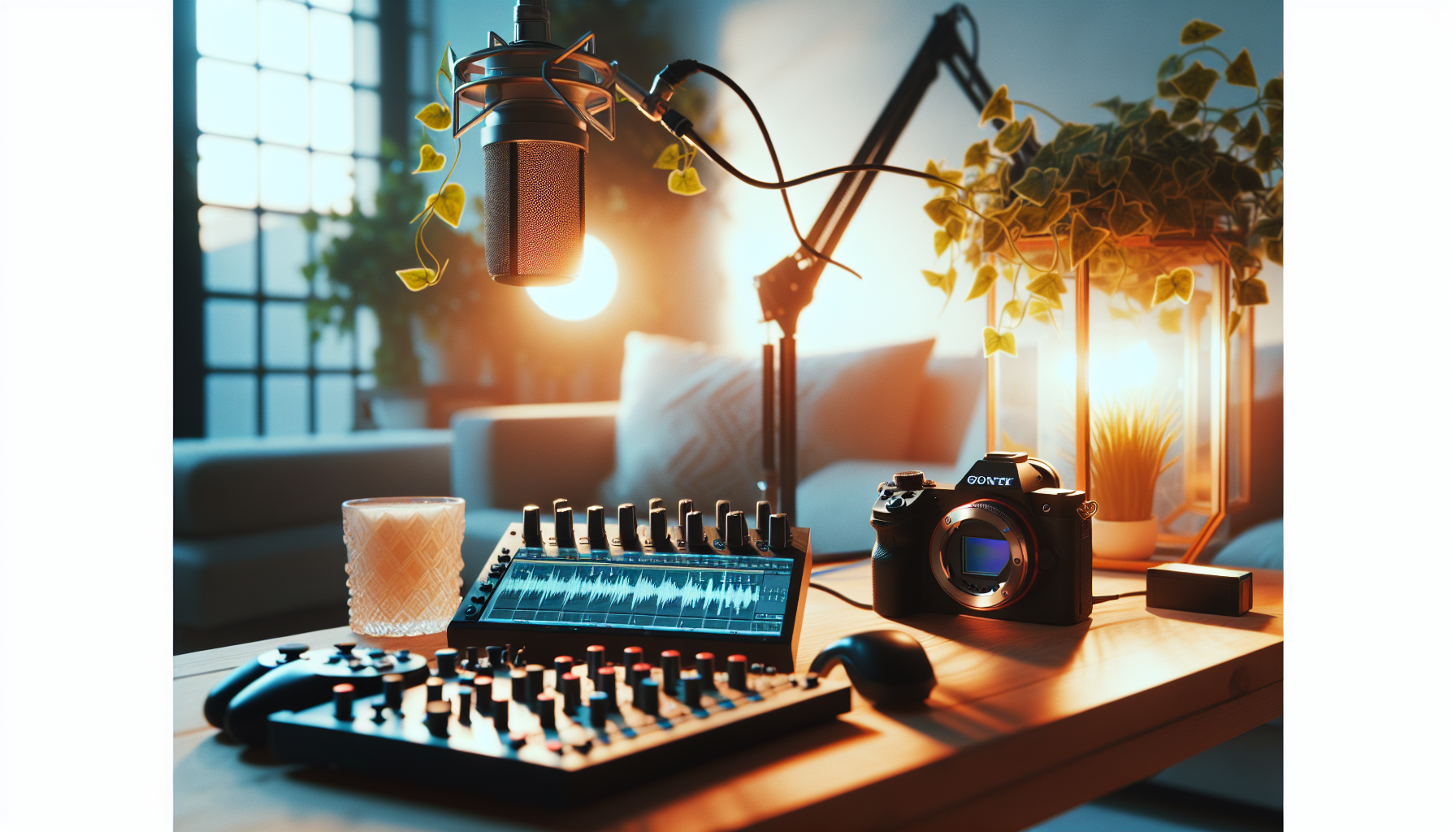
To achieve a seamless integration of these elements, sound designers utilize various software and tools, ensuring that each sound is perfectly tailored to its context.
The Impact of Sound Design on Player Experience
An expertly crafted soundscape not only enhances the narrative but also influences gameplay itself. Sound design can guide players, alert them to danger, or even offer subtle clues necessary for game progression. For instance, distinct sound effects associated with specific actions can inform players of their success or failure, enhancing the feedback loop and improving overall player satisfaction.
"A successful sound design is like an invisible hand guiding the player through the game, enhancing every moment without them even realizing it."
— Game Audio Director
Innovative Techniques in Modern Sound Design
As technology advances, so do the techniques employed in sound design. In 2026, the following innovations are making waves in the industry:
- Spatial Audio: By using 3D sound techniques, designers create an experience where sound seems to come from specific directions, enhancing environmental realism. This is especially effective in VR games where players rely on audio cues to navigate.
- Adaptive Soundscapes: These dynamic soundscapes change in response to the player's actions or in-game events, creating a personalized experience that adapts to each player’s journey.
- Interactive Compositions: Some games now feature music that is composed in real-time, responding to the player’s movements and decisions, ensuring that every playthrough feels unique.
Common Pitfalls and How to Avoid Them
Despite its importance, sound design can often be overlooked, leading to a subpar gaming experience. Here are common pitfalls and strategies to avoid them:
- Overlapping Sounds: Too many competing sounds can overwhelm players; ensure clarity by prioritizing essential audio cues.
- Poor Quality Audio: Low-quality sound effects can break immersion. Invest in high-resolution audio files and professional tools.
- Repetitive Soundtracks: Overly repetitive music can become tedious. Incorporate variations to keep the audio landscape fresh and engaging.
Sound design is an art that requires a delicate balance between creativity and technical prowess. By understanding its role and implementing innovative techniques, developers can create immersive games that captivate audiences and stand the test of time. Whether you're a gamer or a developer, recognizing the power of sound in games allows you to appreciate the full spectrum of the gaming experience.
Ultimately, starting with small changes in sound design can lead to a monumental impact on the gaming experience. By valuing experimentation and personal adaptation, developers can craft soundscapes that are both groundbreaking and enduring. As you delve into this intricate art form, consider how even minor adjustments can enhance your projects, bringing new life to the virtual worlds you create or explore.
Further Reading
For more on this topic, explore: The Hollywood Reporter, Rotten Tomatoes, Pitchfork.