The Untold Role of Diegetic Radio Music in Building Period Atmosphere
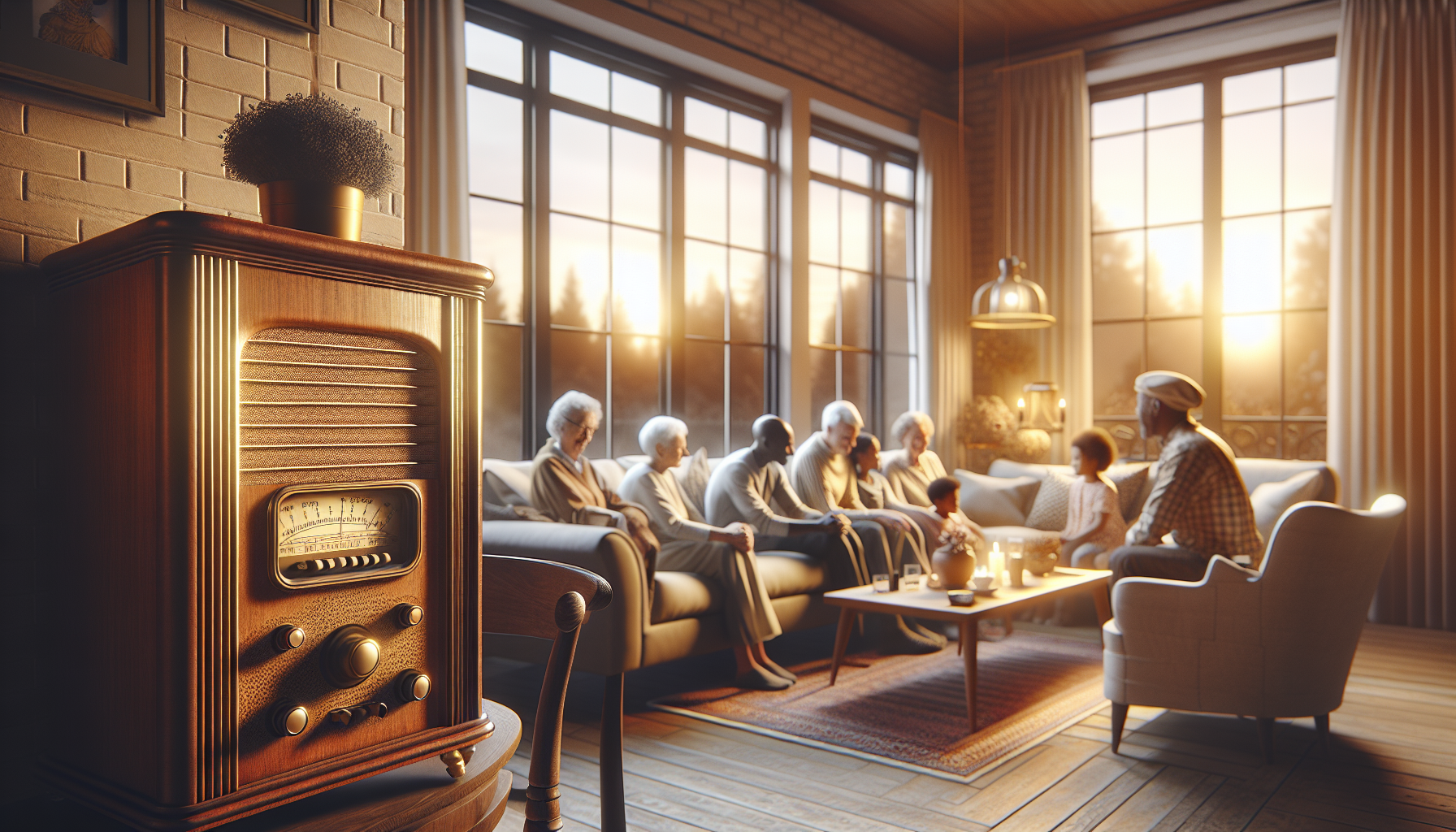
In the world of film and television, music plays a pivotal role in shaping narratives and creating immersive experiences. One often-overlooked element is diegetic radio music—music that characters within the scene can hear, usually coming from a radio. This subtle yet powerful tool can transport audiences to a specific time or place, enhancing the period atmosphere and enriching the story. In this article, we'll explore how diegetic radio music contributes to setting the scene in period films and TV shows, and offer insights into its effective use.
The use of diegetic radio music matters because it adds authenticity and depth to storytelling. This technique can instantly evoke the mood of a particular era, saving time and helping viewers connect more deeply with the characters and setting. By incorporating music from the period, creators can build a more compelling and believable world without relying on heavy exposition or elaborate sets.
Creating Authenticity Through Music Selection
Choosing the right music is essential in crafting an authentic period atmosphere. Each piece must align with the era depicted, not only in style but in cultural significance. Successful use of diegetic radio music requires a careful selection process, considering factors such as the historical context of the tune, its popularity during the period, and its thematic relevance to the scene.
- Research the era to find popular tracks: Delve into music archives or period charts to find songs that were hits during the time frame of your film or show. This ensures authenticity and resonance with audiences familiar with the era.
For instance, a 1960s setting might feature songs by The Beatles or The Supremes, providing an immediate cultural reference that audiences can recognize. Avoid anachronisms by ensuring that the song was actually available in the setting's timeframe.
Enhancing Storytelling and Character Development
Diegetic radio music can do more than set the scene—it can reveal character traits, moods, and plot developments. For example, the type of music a character listens to might reflect their personality or emotional state. This tool allows filmmakers to show rather than tell, providing layers of meaning without dialogue.
- Match music styles to character arcs: A character's growth or regression might be mirrored in their music choices. A young, rebellious character might start with rock and roll, shifting to more subdued genres as they mature.
Consider a scene where a character is listening to a particular song on the radio; the lyrics or mood can subtly underscore their inner turmoil or triumphs, adding a rich layer of understanding for the audience.
"Music in film provides the emotional backbone, guiding the audience through the peaks and valleys of the narrative."
— Film composer
Utilizing Radio Music for Period-Specific Atmosphere
Period films and television shows often utilize radio music to reinforce the setting in a more organic manner. Unlike background scores, radio music is part of the scene’s environment, often interacting with the characters, thus seamlessly blending into the storytelling fabric.
- Integrate ambient sounds with music: Pair radio music with other diegetic sound elements like street noise or weather effects to enhance realism. This layering helps anchor the audience in the time and place of the story.
By tuning into a radio broadcast during a pivotal moment, filmmakers can convey the passage of time or highlight societal issues of that era, making the setting more relatable and compelling.
Avoiding Common Pitfalls in Music Selection
While diegetic radio music can be a powerful tool, it comes with its challenges. Choosing a track that doesn't fit the period or mood can break immersion and confuse the audience. Additionally, music rights and licensing can be complex and costly barriers to accessing certain songs.
- Ensure period accuracy: Double-check the release dates and popularity of potential songs to prevent anachronisms that could distract or confuse viewers.
Careful planning and research are crucial to overcoming these challenges. Consider alternative tracks that may be less well-known but equally effective in setting the scene without straining the budget.
In closing, diegetic radio music serves as an invaluable tool in creating period-specific atmospheres in film and television. By carefully selecting and integrating music true to the era, filmmakers can enhance the authenticity and emotional depth of their narratives. Starting with small, intentional choices, such as the right song from the period, can have cumulative benefits, ultimately creating a richer viewing experience. Viewers are encouraged to notice these subtle yet significant elements, as they significantly contribute to the immersive world that transports them through time.
Further Reading
For more on this topic, explore: Rotten Tomatoes, Variety, Pitchfork.