The Untold Impact of Folk Tales on Modern Fantasy Worlds
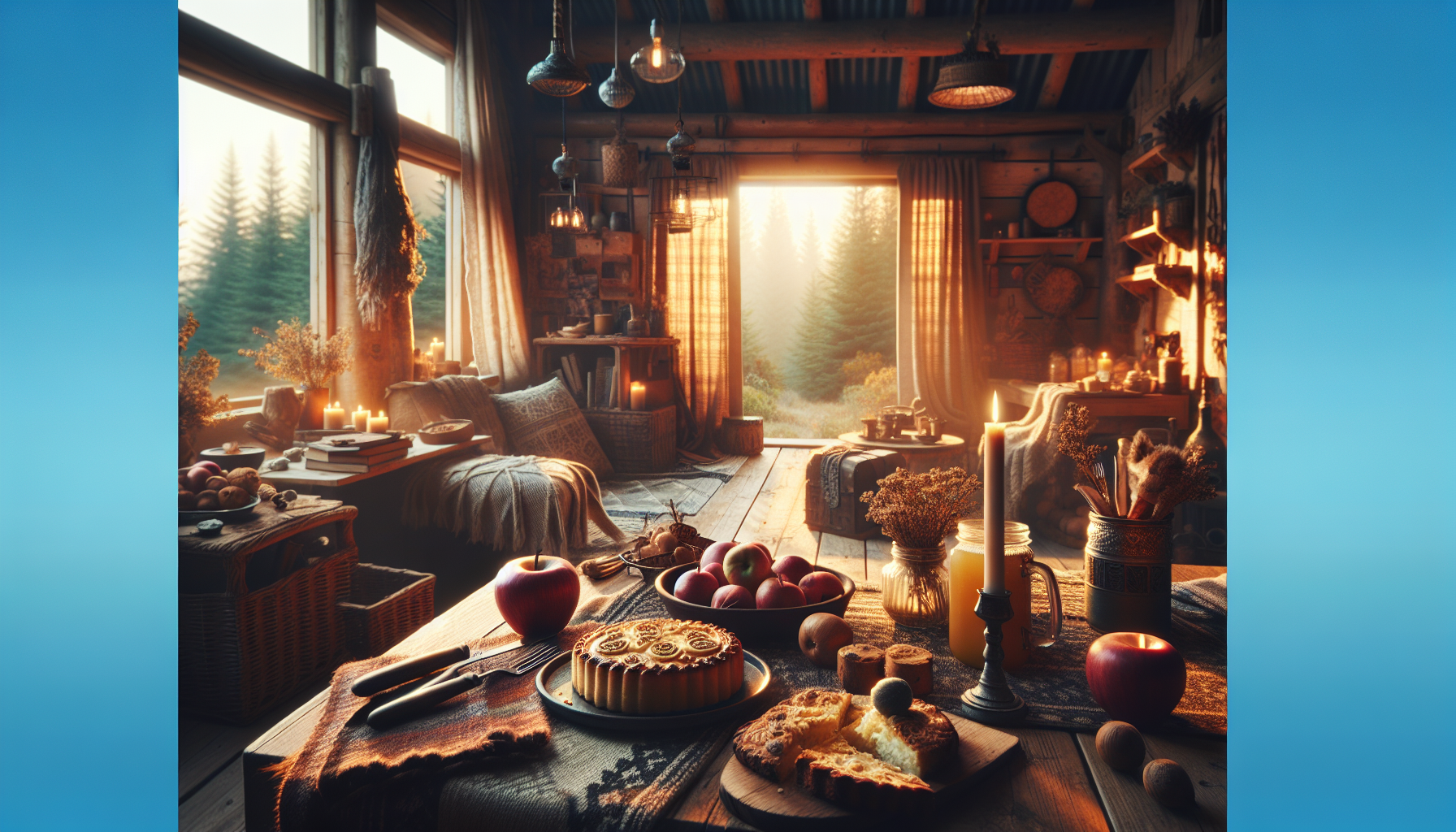
Since time immemorial, folk tales have woven the fabric of cultures across the globe, imparting lessons, values, and entertainment. But their influence reaches far beyond ancient firesides and bedtime stories—they have profoundly shaped the modern fantasy worlds we immerse ourselves in today. This article unravels the threads connecting traditional folklore to contemporary fantasy genres, revealing the deep-seated impact these age-old tales continue to have on our favorite stories.
Understanding this connection enriches our appreciation of modern fantasy by highlighting the timeless themes that resonate with human experiences across ages. Exploring these links can help readers cultivate a deeper appreciation for the stories they consume, providing a new lens through which to view beloved books, films, and games. Plus, knowing the roots of these narratives can enhance one's creative storytelling or reading experiences, making it both an educational and inspirational journey.
Foundation of Mythical Creatures
Most fantasy worlds are populated by an array of mythical creatures, each with unique characteristics. Many of these beings, from dragons to elves, have origins in folk tales from various cultures.
- Dragons: These legendary creatures appear in numerous cultures with varying interpretations—wise and noble in Chinese myths, fearsome and destructive in Western tales.
The diversity in depiction showcases the cultural values and fears of those times. When weaving dragons into modern narratives, creators draw upon these ancient archetypes, making them an integral part of fantasy lore.
Timeless Themes of Good vs. Evil
Folk tales often center around moral battles between good and evil, a theme that has seamlessly transitioned into contemporary fantasy settings.
- Heroes and Villains: Archetypal characters like the hero, often based on folklore’s brave protagonists, embark on journeys to battle malevolent forces.
This age-old theme appeals because it mirrors real-life struggles, providing a familiar yet imaginative arena for exploring morality and choice. Modern stories often adapt these paradigms, offering nuanced perspectives on what constitutes good and evil.
"A folklore expert once remarked, 'The power of folk tales lies in their ability to adapt to the times while keeping core human truths unchanged.'"
— Folklore Expert
Symbolism and Allegory
Many folk tales use symbolism to convey deeper meanings—an aspect that fantasy genres embrace wholeheartedly.
- Magical Items: Objects like enchanted swords or rings often symbolize power, responsibility, or temptation.
These symbols can be subtle or overt, providing layers of meaning that enrich narratives. Fantasy creators use these elements to invite readers to delve beyond the surface, encouraging interpretation and reflection.
The Hero’s Journey
One of the most pervasive storytelling structures, the Hero's Journey, is deeply rooted in folk tales. Modern fantasy often mirrors this narrative arc, guiding characters through trials, tribulations, and transformations.
- Call to Adventure: Characters often start in mundane settings before embarking on epic quests, a staple of both folklore and contemporary fantasy.
This structure appeals because it mimics personal growth journeys we undertake in real life, making stories both relatable and aspirational.
Preservation of Cultural Heritage
Fantasy worlds often pay homage to their folklore roots by preserving cultural heritage. This can be seen in the integration of cultural languages, traditions, and mythologies.
- Language and Names: Many fantasy stories use names and languages derived from specific cultures, lending authenticity and depth to world-building.
This practice not only enriches the narrative but also fosters respect and interest in diverse cultures, highlighting the global tapestry of storytelling.
Conclusion
Examining the connections between folk tales and modern fantasy worlds reveals a rich tapestry of shared themes and archetypes. By appreciating these links, readers can deepen their understanding and enjoyment of both genres. Start by recognizing familiar themes or creatures in your favorite fantasy media, and consider how they might be inspired by age-old stories. Over time, this awareness can not only enhance your storytelling skills but also lead to a more profound appreciation of cultural narratives, creating a more engaging and meaningful reading or viewing experience.
Further Reading
For more on this topic, explore: Artsy, The Guardian Culture.