The Untold Charm of Morocco's Atlas Mountain Berber Villages
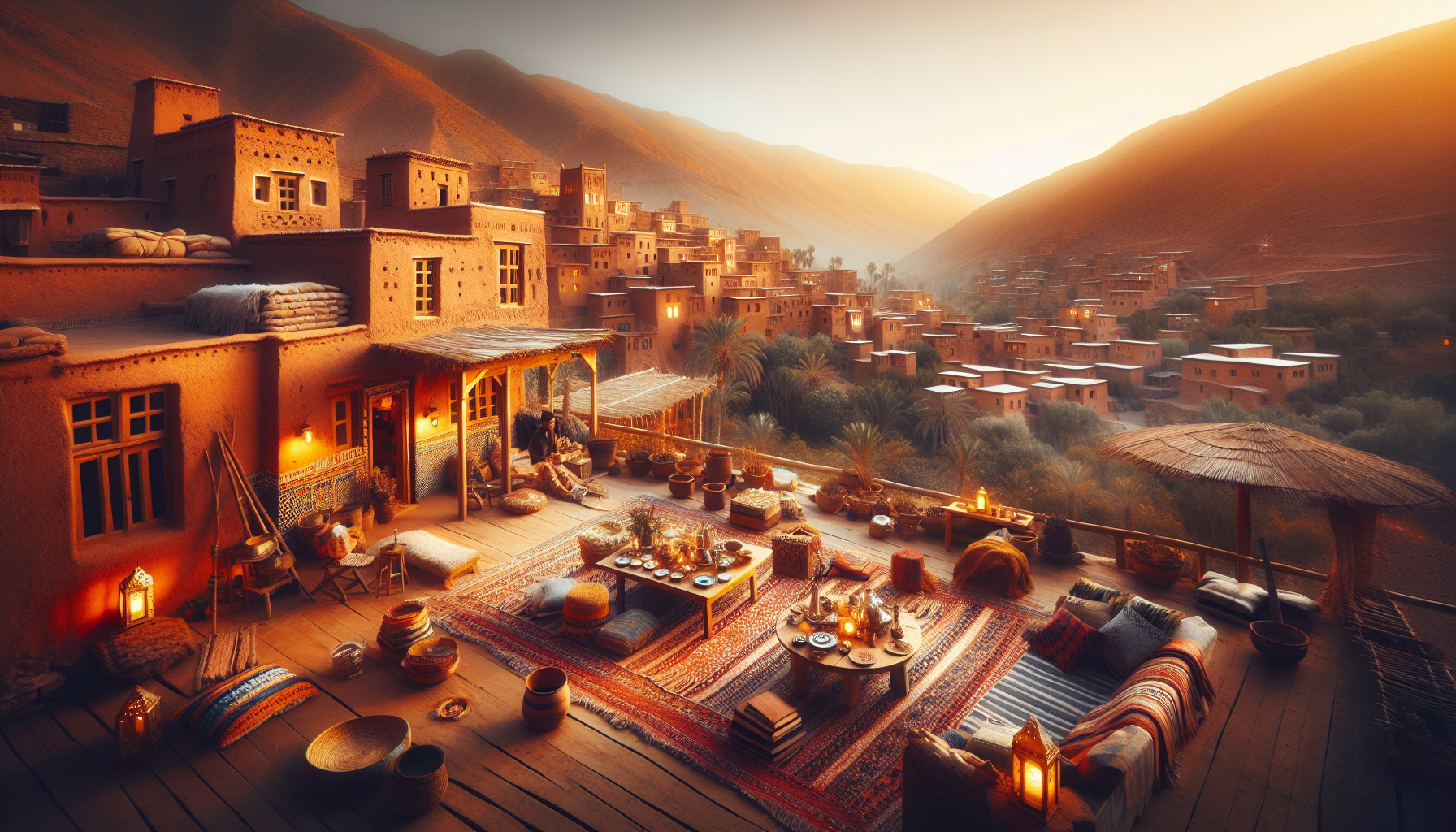
Morocco's Atlas Mountains offer travelers an enchanting glimpse into a world where time seems to stand still. Nestled within these majestic peaks are the Berber villages, each with its own unique charm and cultural richness. In this article, you'll discover the untold charm of these villages, offering a fresh perspective on travel that emphasizes cultural immersion and genuine connections.
Exploring the Berber villages of Morocco's Atlas Mountains matters in everyday life because it presents an opportunity to step away from the fast-paced, technology-driven world and engage with a simpler, more sustainable way of living. This journey is not just a physical one but a mental retreat that can refresh your perspective, providing renewed appreciation for cultural diversity and traditional lifestyles.
Understanding the Berber Culture
Before embarking on your adventure, it's vital to immerse yourself in the cultural tapestry of the Berber people. Known for their hospitality and vibrant traditions, the Berbers have lived in these mountains for centuries, maintaining a way of life that's both resilient and deeply connected to the land.
- Respect for Traditions: Understanding the importance of traditions in Berber society will enhance your experience. It's essential to approach with respect and openness.
These traditions manifest in their music, dance, and crafts, which have been passed down through generations. Participating in a local festival or market can provide a deeper insight into their daily lives.
Planning Your Visit
Visiting the Berber villages requires a bit of planning to ensure a meaningful and respectful experience. Here are some practical tips to help you prepare:
- Choose the Right Time: The best times to visit are during spring and autumn when the weather is more accommodating for mountain treks.
Avoid the summer months as the heat can be intense, making travel uncomfortable. Winter, although picturesque, might pose challenges due to potential snowfall.
"Travel not to escape life, but so life doesn't escape you."
— Anonymous Traveler
Essential Packing Tips
The terrain of the Atlas Mountains demands a thoughtful approach to packing. Here are some essentials:
- Layered Clothing: The temperature can vary greatly, so layering is key to staying comfortable throughout the day.
Invest in quality hiking boots, a waterproof jacket, and a sturdy backpack to carry your essentials.
- Local Map: While digital maps are useful, having a physical map of the region can be invaluable in areas with poor connectivity.
Connecting with the Community
One of the most rewarding aspects of visiting Berber villages is the opportunity to engage with the local community. Here's how you can make the most of this experience:
- Stay in a Local Guesthouse: Opting for family-run accommodations rather than hotels will provide a more authentic experience.
This choice not only supports the local economy but also facilitates deeper cultural exchanges.
- Participate in Daily Activities: Joining in on daily activities such as cooking or farming can enrich your understanding of the local way of life.
Respecting the Environment
The natural beauty of the Atlas Mountains is one of its greatest draws. Here are ways to ensure your visit is environmentally conscious:
- Carry Reusable Items: Reduce waste by bringing reusable water bottles and bags.
Supporting local initiatives that focus on conservation can also have a positive impact.
As you conclude your journey through the Berber villages, take a moment to reflect on the simplicity and resilience of the Berber lifestyle. Start by incorporating small, mindful changes in your own life, like reducing digital dependency or supporting local artisans, to foster a deeper appreciation for the world around you. This experience, while rooted in travel, offers long-term benefits, including reduced stress and a greater sense of connection to diverse cultures. Embrace the spirit of exploration and let the charm of the Atlas Mountains inspire your next adventure.
Further Reading
For more on this topic, explore: National Geographic Travel, Atlas Obscura, Condé Nast Traveler.