The Ultimate Guide to Participatory Art Kits for Home Creativity
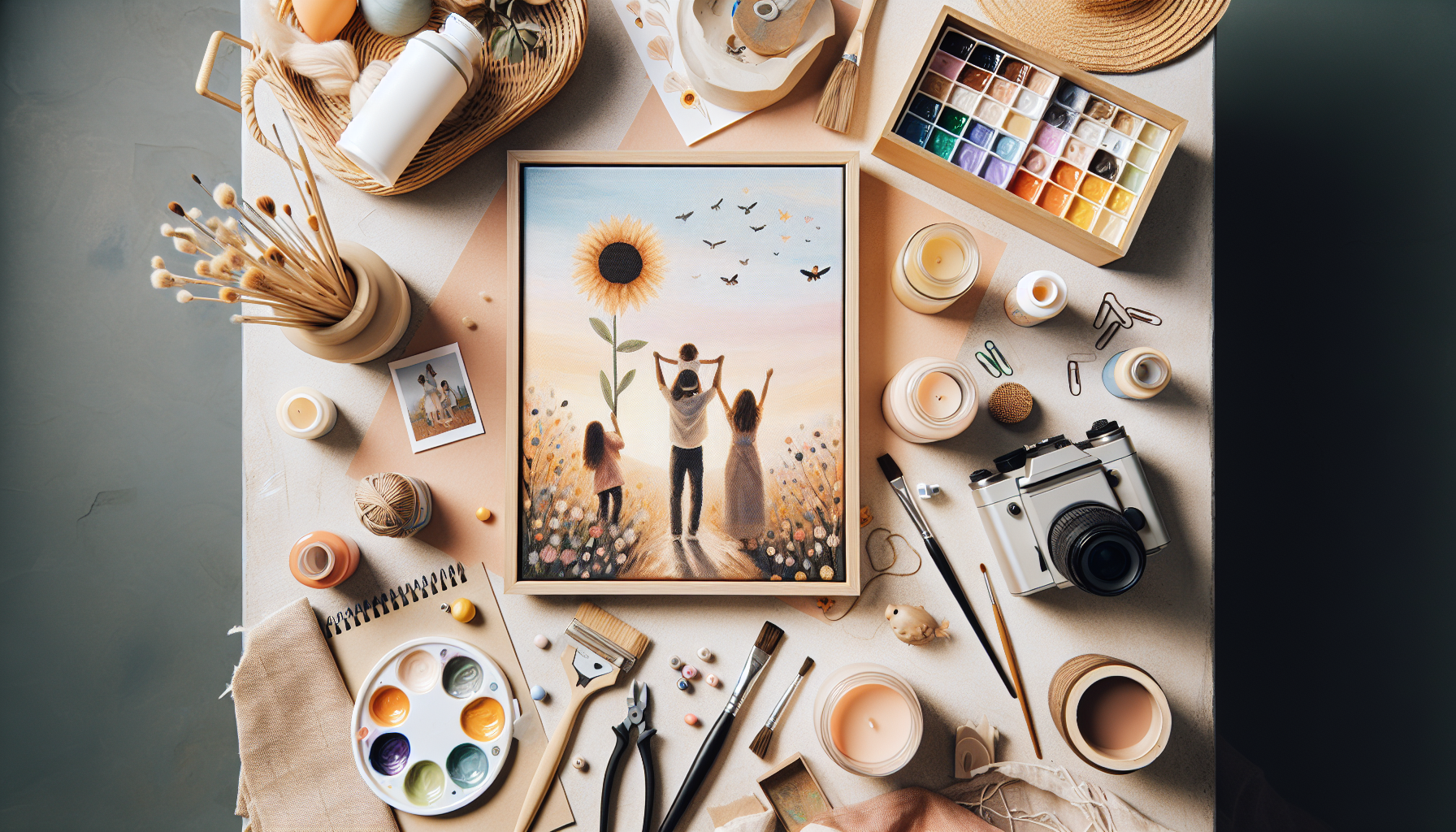
In recent years, the world of art has seen a splendid rise in participatory art kits designed for home creativity. These kits bring the art studio experience directly to your living room, offering a fantastic way for both novices and seasoned artists to explore their creative instincts. This article will delve into the benefits of incorporating art kits into your daily routine, providing you with an understanding of how to select the right kit for your needs and how these tools can enhance your creativity, mental well-being, and sense of accomplishment.
Incorporating art into your daily life can seem daunting, especially when you lack training or feel pressed for time. However, participatory art kits are designed to be user-friendly and time-efficient, allowing you to engage with art on your terms. These kits offer a wide range of benefits, from fostering creativity and mindfulness to improving cognitive skills and reducing stress. By introducing art kits into your home, you create an avenue for personal expression and relaxation, making art a natural and enriching part of your life.
Choosing the Right Art Kit for Your Home
When it comes to selecting an art kit, there are several factors to consider to ensure you find the one that best fits your interests and skill level. Art kits are available in various forms, from painting and drawing to sculpting and mixed media, catering to a broad range of artistic inclinations.
- Understand your interests: Consider what type of art you are most drawn to. Are you fascinated by the vibrant colors of painting, the fine lines of drawing, or the textures of sculpting?
- Assess your skill level: Beginners should look for kits that provide comprehensive instructions and all necessary tools, while more advanced artists might prefer kits that offer greater creative freedom.
- Consider your space: Ensure you have the physical space to comfortably use the art kit, with enough room for your supplies and finished pieces.
- Check for quality materials: Invest in art kits that use high-quality materials to ensure the longevity of your creations and a better overall experience.
One common mistake is choosing a kit that is too advanced or not engaging enough, which can lead to frustration or boredom. It’s important to start with a kit that matches your current abilities and interests, gradually moving to more complex projects as your skills grow.
Integrating Art Kits into Your Routine
Once you've selected a kit, integrating art into your daily routine can be a rewarding process. Consistency is key, so try to set aside a dedicated time each week to experiment with your kit.
- Establish a routine: Whether it’s a quiet evening session or a weekend project, having a regular time to focus on art helps build a habit and improves your skills over time.
- Create a dedicated space: A designated art area, no matter how small, can help you stay organized and make it easier to dive into creative sessions without the need for extensive setup or cleanup.
- Use art as a form of relaxation: Approach your art sessions as a time to unwind, letting go of any expectations and allowing your mind to relax and reset.
Avoid the pitfall of treating art as a chore or another item on your to-do list. Remember that this time is for you and should be enjoyable and stress-free.
"Creating art should be like a breath of fresh air, both rejuvenating and grounding." — Art therapist
Exploring the Benefits of Participatory Art Kits
Participatory art kits offer numerous benefits beyond just creating beautiful pieces. They can positively impact various aspects of your life, from improving mental health to boosting creativity and problem-solving skills.
- Mental health benefits: Engaging in art can reduce stress and anxiety, promote relaxation, and increase mindfulness, providing a therapeutic outlet.
- Enhanced creativity: Regular art practice encourages you to think outside the box and develop new ideas, which can translate to other areas of life.
- Improved focus and patience: Art requires concentration and perseverance, skills that are beneficial in both personal and professional settings.
It's important to manage your expectations and enjoy the process rather than focusing solely on the result. Art is about exploration and expression, not perfection.
Further Reading
For more on this topic, explore: Literary Hub, Smithsonian Magazine, NYT Books.