The Ultimate Guide to Forgotten Hand-Cranked Camera Techniques in Experimental Documentaries
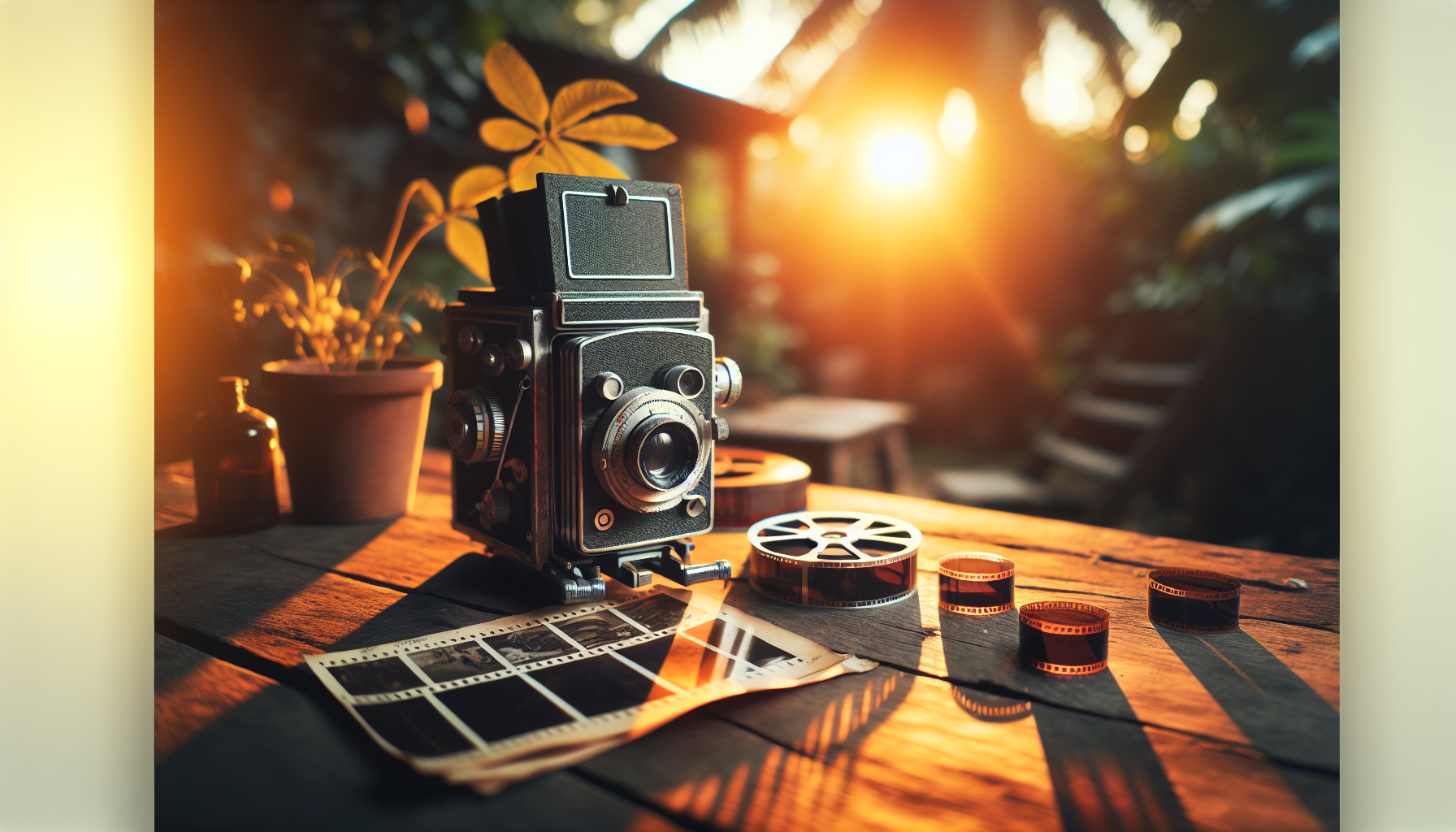
In the realm of filmmaking, where digital technology reigns supreme, forgotten hand-cranked camera techniques offer a refreshing break from convention, especially in the world of experimental documentaries. These vintage methods not only bring a unique aesthetic to films but also allow filmmakers to explore new dimensions of storytelling. In this article, we'll delve into these timeless techniques, understand their practical applications, and learn how they can add depth and texture to modern documentaries.
Hand-cranked cameras, once the cornerstone of early cinema, offer a tangible connection to the art form's roots. By rediscovering these techniques, filmmakers can save on production costs, gain deeper creative control, and imbue their projects with an authentic, tactile feel that resonates with audiences. This exploration can build confidence in visual storytelling and foster a sustainable approach to filmmaking by encouraging the use of accessible resources.
Essential Hand-Cranked Camera Techniques to Explore
The artistry and unpredictability of hand-cranked cameras can bring a new layer of intrigue to documentaries. Understanding the basic techniques is crucial for filmmakers aiming to harness their full potential.
- Variable Frame Rates: By manually controlling the speed of the crank, filmmakers can achieve a range of frame rates, creating unique motion effects that can make scenes feel dreamlike or frenetic. This technique works well for capturing emotions or highlighting key moments.
- In-Camera Effects: Effects like double exposure and vignette can be created directly in-camera, allowing filmmakers to experiment without post-production. This approach not only saves time but also encourages on-the-spot creativity.
These techniques demand a keen understanding of film mechanics and precise timing, which can be developed through practice. Common mistakes include uneven cranking, which can lead to inconsistent footage. To avoid this, practice maintaining a steady rhythm.
Choosing and Maintaining Your Equipment
Selecting the right hand-cranked camera is essential. Vintage models like the Bolex H16 are popular choices for their reliability and ease of use. Here's what to consider when choosing your camera:
- Condition: Ensure the camera is in good working order, as repairs can be costly and parts are often hard to find.
- Film Stock Availability: Check that compatible film stock is available and accessible to avoid interruptions in production.
Once you have your camera, regular maintenance is key to preserving its functionality. Clean the camera regularly, store it in a dry place, and wind the mechanism gently to prevent wear and tear.
"The magic of hand-cranked cameras lies in their ability to transform the mundane into the mythical, offering filmmakers a canvas of endless possibilities."
— Independent Filmmaker
Incorporating Hand-Cranked Techniques into Modern Filmmaking
Integrating hand-cranked techniques with digital storytelling opens a world of creative possibilities. Here’s how to make the most of both worlds:
- Hybrid Editing: Combine hand-cranked footage with digital clips to contrast textures and create a dynamic visual narrative.
- Sound Design: Pair the mechanical whir of the crank with ambient sounds to enhance the authenticity and mood of your documentary.
Be mindful of the balance between vintage and modern. Over-reliance on hand-cranked footage can overshadow the narrative, so use it strategically to highlight key moments or themes.
Embracing the Imperfections for Unique Storytelling
The inherent imperfections of hand-cranked techniques, such as flicker or grain, can be used to your advantage. These features can add authenticity and character to your documentary, connecting audiences with the human element of filmmaking.
- Intentional Imperfections: Use these imperfections to convey themes like nostalgia or the passage of time.
- Audience Engagement: Viewers often appreciate the tangible connection to the filmmaker's process, fostering a deeper emotional response.
However, it’s important to ensure that the narrative remains coherent and that artistic choices serve the story rather than distract from it.
Revisiting hand-cranked camera techniques not only enriches your filmmaking repertoire but also offers new ways to tell stories that resonate on a deeper level. Start with a single technique, such as variable frame rates, and experiment with blending it with digital elements to discover your unique style. Over time, these small changes can lead to a cumulative enhancement in your storytelling, making your documentaries not just visually captivating but emotionally engaging as well. Embrace the journey of experimentation and adaptation, allowing your creativity to thrive without the pressure of trends or fleeting technologies.
Further Reading
For more on this topic, explore: Variety, The Hollywood Reporter, Rotten Tomatoes.