The Subtle Shift Toward Warm-Undertone Blushes for Natural Flush
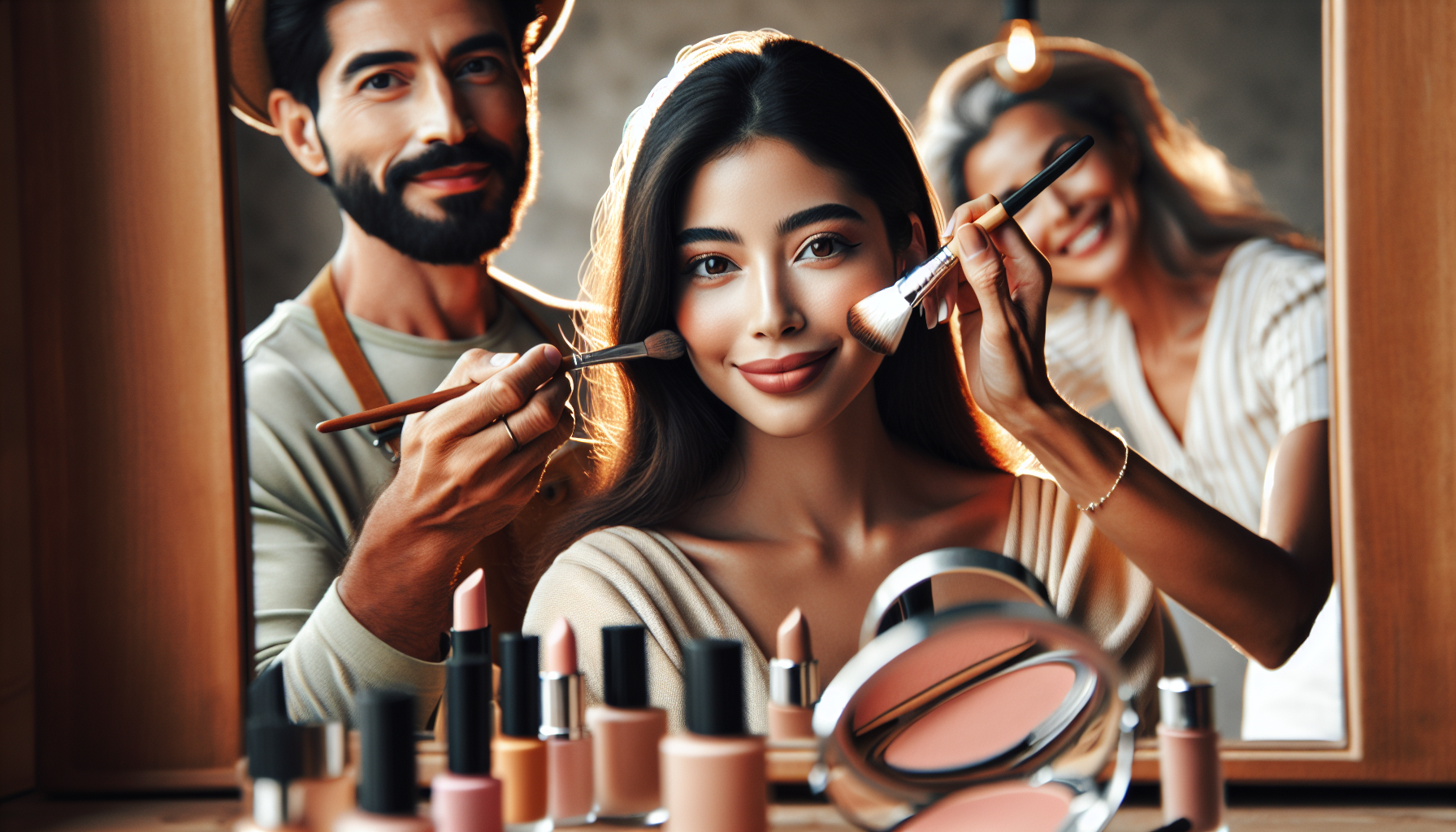
When it comes to achieving a natural, fresh-faced look, the right blush can make all the difference. Recently, there has been a subtle yet significant shift in the beauty world towards warm-undertone blushes, offering a more natural and universally flattering flush. In this article, we'll explore why warm undertones are gaining popularity, guide you through selecting the perfect shade, and provide practical tips to seamlessly incorporate this trend into your beauty routine.
The move to warm-undertone blushes matters because it enhances your natural skin tone, creating a healthy, sun-kissed glow regardless of the season. Unlike cooler tones, which can sometimes appear harsh or artificial, warm blushes mimic the natural blush that comes from a day spent outdoors. This not only saves time in your makeup routine — as you can skip complex contouring and blending — but also boosts your confidence by enhancing your innate beauty rather than masking it.
Understanding Warm Undertones
Warm undertones in blushes contain hues of peach, coral, and terracotta, which complement a wide range of skin tones, from fair to deep. These shades effortlessly blend into the skin, offering a subtle flush that appears more like a gentle kiss from the sun rather than a layer of makeup.
- Choose a peach blush for lighter skin tones that want a soft, natural glow.
- Coral shades work beautifully on medium skin tones, providing a lively pop of color that enhances your natural complexion.
- For deeper skin tones, terracotta blushes offer a rich, warm hue that complements and enhances your skin’s radiance.
When selecting a warm undertone blush, consider the finish as well. Matte blushes offer a natural look, while a slight shimmer can add a dewy, youthful glow. Always test the blush on your wrist or cheekbone under natural light to ensure it complements your skin tone.
Incorporating Warm Undertones into Your Routine
To make warm-undertone blushes a staple in your beauty routine, start by applying less product than you think you need. This helps avoid the common mistake of over-application, which can result in a heavy or clownish appearance. Gradually build up the color for a more natural effect. Here’s a simple method:
- Smile to find the apples of your cheeks and apply the blush in gentle, circular motions.
- Blend upwards towards your temples for a lifted, sun-kissed look.
- For a cohesive look, lightly dust any remaining product across your nose and forehead.
If you’re new to warm undertones, try starting with a cream blush, which is more forgiving and easier to blend than powder. Creams offer a natural finish that’s perfect for daily wear, while powders can provide a more defined look for special occasions.
“A longtime makeup artist notes: ‘Warm-undertone blushes have a way of waking up the face, giving you that healthy, just-back-from-vacation glow.’”
— Makeup Artist
Adapting to Seasons and Occasions
Warm-undertone blushes are versatile and can be adjusted for seasonal changes or different occasions:
- Spring/Summer: Opt for lighter, peachy tones that reflect the vibrant, sunny weather. Pair with minimal makeup for a fresh, outdoorsy look.
- Fall/Winter: Richer coral and terracotta shades can add warmth to your complexion on cooler, greyer days. Pair with a bronzer for a more defined look.
- Daytime: Stick to light applications for a natural, effortless look suitable for work or casual outings.
- Evening: Intensify the application slightly for a more polished appearance, perfect for dining out or events.
Experimenting with different application techniques and complementary makeup can help you discover what works best for you, ensuring your look is always perfectly tailored to the occasion.
Further Reading
For more on this topic, explore: Harper's Bazaar, WWD.