The Subtle Rise of 'Slow Painting' Movements in 2026
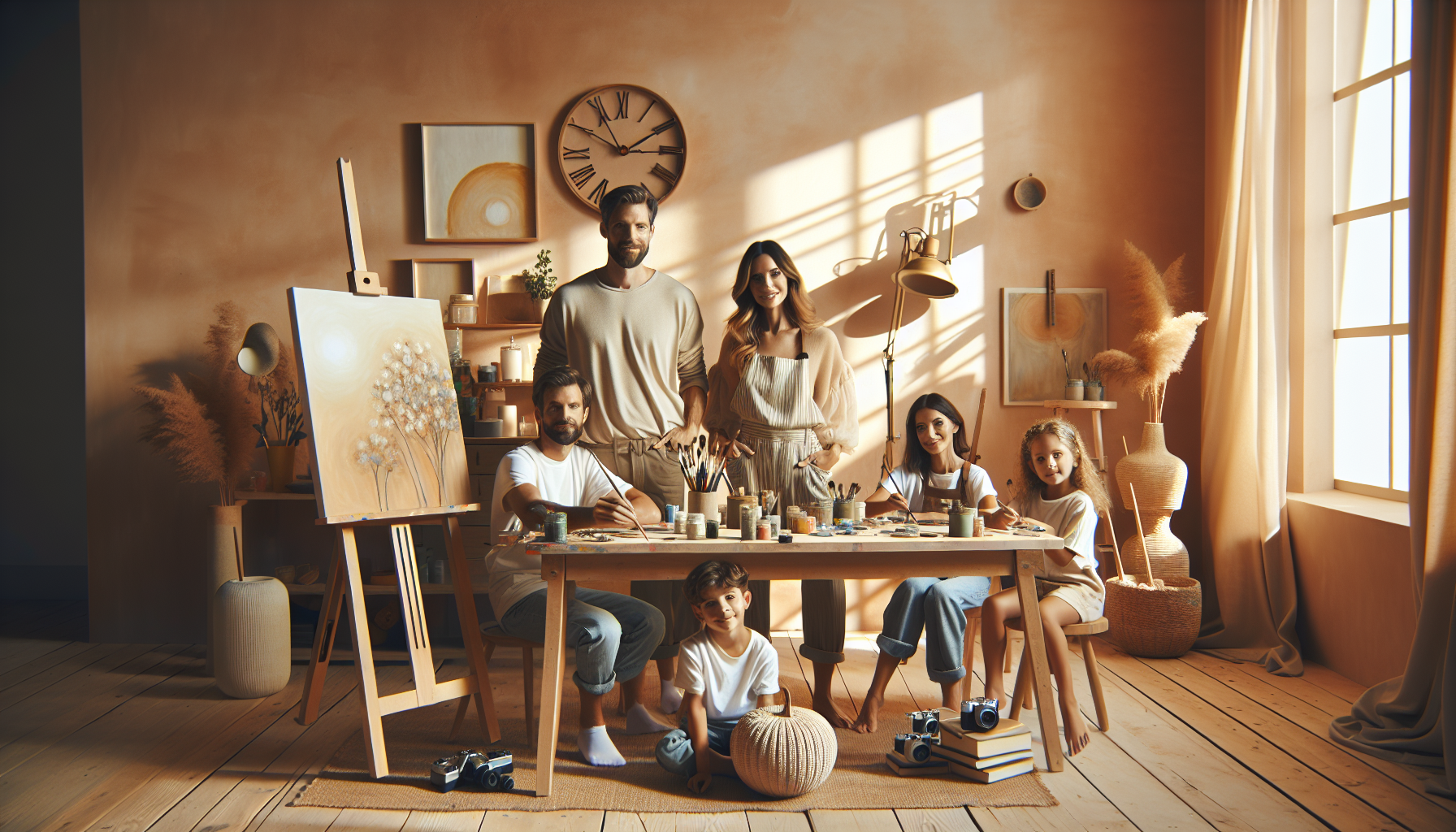
In the fast-paced world of 2026, where instant gratification often overshadows the joy of process, a gentle revolution is taking place on the canvas: the rise of 'Slow Painting' movements. This trend, subtly gaining traction, focuses on deliberate, mindful creation, allowing artists to connect deeply with their work. In this article, we will explore the essence of slow painting, its benefits, and how it can be a fulfilling hobby for anyone seeking a creative outlet or looking to enrich their artistic journey.
Slow painting matters in everyday life because it offers a space for tranquility and reflection in our hectic schedules. It encourages creators to embrace patience and develop a profound connection with their artwork. This mindful approach not only enhances the quality of the painting but also enriches the painter's experience, fostering a sense of accomplishment and relaxation. By adopting slow painting, individuals can discover a sustainable hobby that nurtures creativity and promotes mental well-being.
Getting Started with Slow Painting: Essential Tools and Mindset
Embarking on a slow painting journey requires a few essential tools and a shift in mindset. The key is to prioritize quality over quantity and focus on the process rather than the end result. Here's how you can begin:
- Choose quality brushes and paints: Investing in high-quality materials can dramatically affect your painting experience. Opt for brushes that feel comfortable in your hand and paints that offer rich pigments. This investment will ensure smoother application and longevity.
When selecting brushes and paints, consider experimenting with different brands to find what works best for you. Avoid buying cheap materials that may lead to frustration due to poor performance.
- Create a dedicated painting space: Having a specific area for your art can enhance focus and productivity. Whether it's a corner of a room or a spare table, make this space inspiring and clutter-free.
Ensure your workspace is well-lit and stocked with necessary supplies. Keeping it organized will help maintain a clear mind and reduce distractions.
The Art of Mindful Painting: Techniques and Practices
Slow painting isn't just about the physical act of painting; it's about approaching the task with mindfulness and intention. Here are some techniques to incorporate into your practice:
- Embrace the process: Allow yourself to enjoy each brushstroke without rushing. Take time to observe the interaction of colors and the evolution of your piece.
Avoid setting strict deadlines for completion. Instead, let your intuition guide your pace, which can lead to more satisfying and organic results.
- Practice observational painting: Spend time studying your subject matter or surroundings before you begin. This practice enhances your perception and appreciation of details.
Consider keeping a sketchbook to jot down observations and ideas, which can be useful for future projects and stimulate creativity.
Integrating Slow Painting into Your Lifestyle
Integrating slow painting into your life doesn't need to be overwhelming. Here are some strategies to help you make it a regular practice:
- Set aside regular time: Dedicate a specific time each week for painting. This commitment can help you develop a rhythm and look forward to these moments of creativity.
Find a time that suits your schedule, whether it's early morning or late evening, and treat it as an essential part of your routine rather than an optional activity.
- Join a community or group: Connecting with other slow painting enthusiasts can provide motivation and inspiration. Look for local workshops or online forums where you can share your progress and receive feedback.
Being part of a community can enhance your experience by exposing you to diverse techniques and perspectives, enriching your understanding and appreciation of the art form.
In closing, the subtle rise of slow painting movements in 2026 highlights a growing desire for mindful, intentional creativity in a world often consumed by speed and efficiency. By starting small, perhaps with a single painting session per week, and gradually incorporating more, you can build a rewarding and sustainable artistic practice. This slow and steady approach not only cultivates patience and skill but also offers long-term benefits such as reduced stress and increased confidence in your creative abilities. Embrace the journey of slow painting, allow yourself to experiment, and find joy in the timeless art of creation.
Further Reading
For more on this topic, explore: Literary Hub, Smithsonian Magazine.