The Subtle Power of Shadow Puppetry in Contemporary Installations
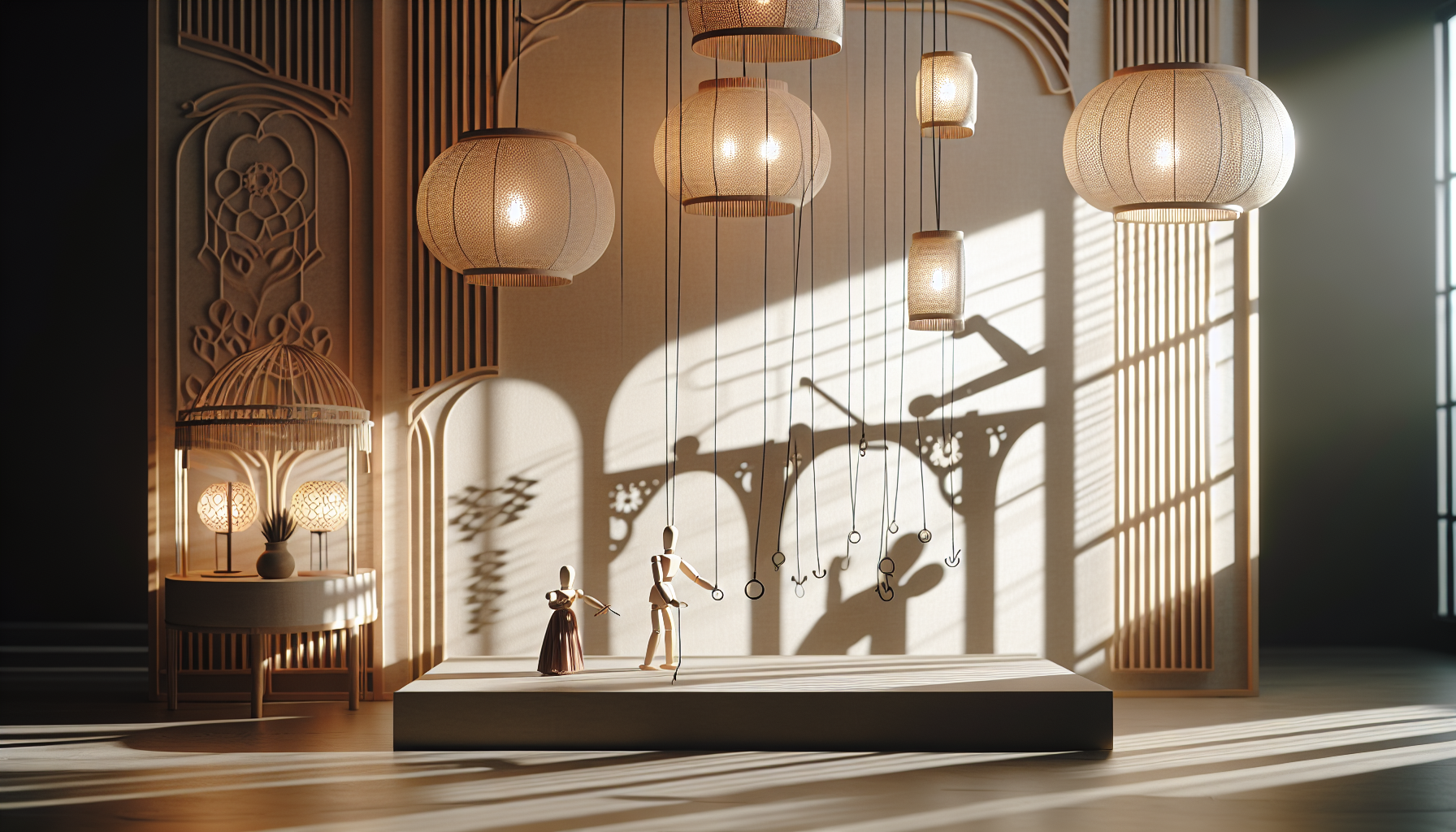
In the enchanting realm of contemporary art, shadow puppetry emerges as a beguiling force, blending ancient tradition with modern creativity. The subtle dance of light and shadow captivates audiences, offering a unique sensory experience. This article delves into how shadow puppetry enriches contemporary installations, providing insight into its timeless charm and practical applications for artists and enthusiasts alike.
Shadow puppetry matters significantly in today’s art scene by offering a versatile, dynamic medium that bridges cultural narratives across time and space. It presents a sustainable, innovative approach to artistic expression, challenging traditional boundaries without overwhelming the viewer. As an eco-friendly medium that requires minimal resources, shadow puppetry invites artists to explore their creativity while maintaining a responsible footprint.
The Fundamental Elements of Shadow Puppetry
To harness the potential of shadow puppetry in contemporary installations, understanding the essential components is key. At its core, shadow puppetry involves a light source, a screen, and puppets crafted from various materials to cast intriguing shadows.
- Light Source: The choice of light is critical. Opt for adjustable LED lights for their energy efficiency and ability to manipulate intensity and color, enhancing the narrative depth.
- Screen: Select a translucent material like rice paper or thin fabric. These materials capture intricate shadow details, conveying emotion and nuance.
- Puppets: Traditional puppets crafted from leather or wood offer a tactile authenticity. However, experimenting with modern materials like plexiglass can introduce contemporary flair.
When crafting puppets, consider the stories you aim to tell. Simplicity often triumphs in shadow art, where intricate details might get lost. Avoid overly complex designs that can obfuscate the intended message, and prioritize clear, recognizable shapes.
Incorporating Shadow Puppetry in Installations
The integration of shadow puppetry into contemporary installations requires a strategic approach. Consider the environment and audience, ensuring that the shadow elements enhance rather than distract from the overall experience.
- Site-Specific Installations: Tailor your puppetry to the space. Use existing architectural features as part of your shadow canvas, turning walls and corners into dynamic storytelling elements.
- Interactive Elements: Engage the audience by allowing them to manipulate puppets or light sources. This interaction fosters a personal connection, making the experience memorable.
Be mindful of installation scale. Large spaces require bolder, more dramatic shadows to capture attention, while smaller venues benefit from intricate, intimate details. Balance is essential to maintain viewer engagement without sensory overload.
Enhancing Storytelling Through Shadows
Storytelling is at the heart of shadow puppetry, offering a unique language of light and darkness. To elevate narrative depth, consider these techniques:
- Layered Shadows: Use multiple puppets at varying distances from the screen to create depth and perspective, adding a three-dimensional quality to your story.
- Color and Movement: Introduce colored lights or filters to convey mood changes. Slow, deliberate movements enrich the narrative, while faster actions can heighten tension.
Remember, the story should guide the visual elements, not vice versa. Avoid overcomplicating plots; simplicity can be more profound, allowing the audience to immerse fully in the experience.
Further Reading
For more on this topic, explore: Literary Hub, Smithsonian Magazine, The Guardian Culture.