The Subtle Influence of 1940s Noir Lighting on Modern Psychological Thrillers
The timeless elegance of 1940s noir lighting has profoundly shaped the visual and emotional landscape of modern psychological thrillers. This article delves into how the chiaroscuro techniques and shadow play from the 1940s noir era continue to enhance the tension and depth of contemporary thrillers. Whether you're a film enthusiast or aspiring filmmaker, understanding these subtle influences can elevate your appreciation and execution of the genre. We'll unpack the fundamental techniques, their impact on storytelling, and how you can incorporate these elements into your own creative projects or viewing experiences.
The significance of noir lighting in everyday life extends beyond the silver screen. These lighting techniques can be translated into creating atmospheric environments in our homes, influencing mood and ambiance effectively. Understanding the principles of light and shadow not only enriches the cinematic experience but also provides practical insights into interior design, photography, and even personal style. By mastering these timeless techniques, you can enhance both visual and emotional narratives in various aspects of your life.
Core Elements of 1940s Noir Lighting
At the heart of 1940s noir lighting lies a mastery of shadows and contrasts, a technique known as chiaroscuro. This approach creates a dramatic interplay between light and dark, crafting an ominous yet alluring atmosphere that captivates audiences.
- Low-Key Lighting: This technique involves using minimal lighting to produce stark contrasts. Opt for lamps with adjustable dimmers to recreate this effect at home.
- Hard Light Sources: Use direct lighting to cast defined shadows, adding depth and intrigue to scenes or settings. Select a lamp with a narrow beam to focus on specific areas.
When incorporating these techniques, balance is key. Overusing shadows can obscure details, so it’s essential to highlight focal points effectively. Consider experimenting with different light angles and intensities to achieve the desired mood without overwhelming the scene.
Impact on Modern Psychological Thrillers
Modern psychological thrillers leverage noir lighting to build suspense and enhance emotional resonance. By manipulating light and shadow, filmmakers create an unsettling environment that keeps viewers on edge.
- Tension Building: Subdued lighting often precedes pivotal plot points, heightening anticipation. In your own projects, use dim lighting to signal key moments or shifts in tone.
- Character Focus: Strategic lighting highlights a character's inner turmoil or isolation. Focus on spotlighting expressions to convey complex emotions.
These techniques contribute to a layered narrative, where visuals complement the storyline. A common pitfall is relying solely on dialogue to convey tension; instead, use lighting to reinforce the emotional trajectory of your narrative.
“Lighting is more than illumination; it's a silent actor that guides the audience through the story.”
— Renowned Cinematographer
Incorporating Noir Lighting into Everyday Spaces
The principles of noir lighting can transform everyday environments, infusing them with character and mood. Here’s how you can apply these techniques to your home or creative projects:
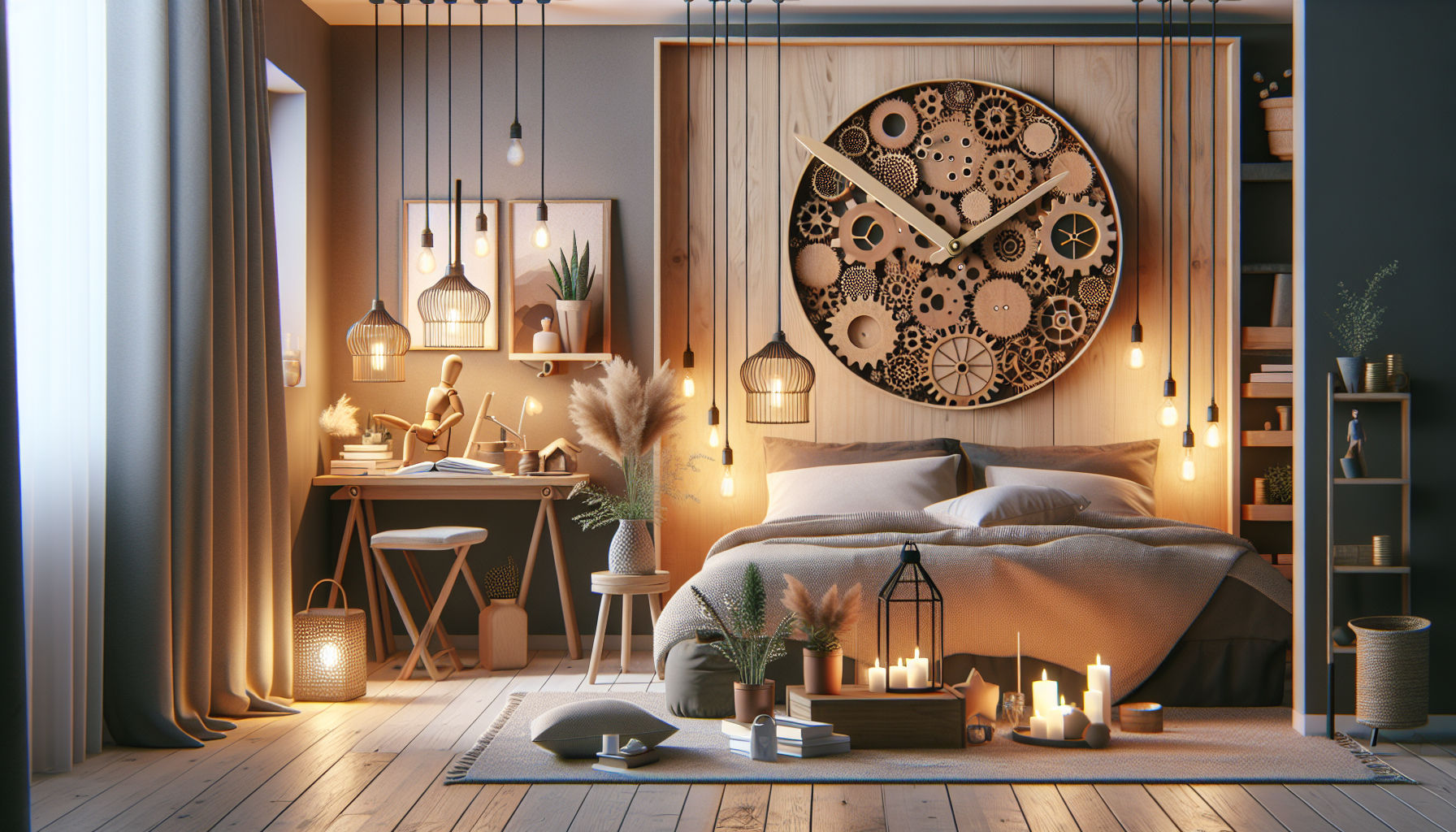
- Accent Lighting: Use floor lamps or wall sconces to create pockets of light, drawing attention to architectural features or artwork. Select fixtures with adjustable heads for versatility.
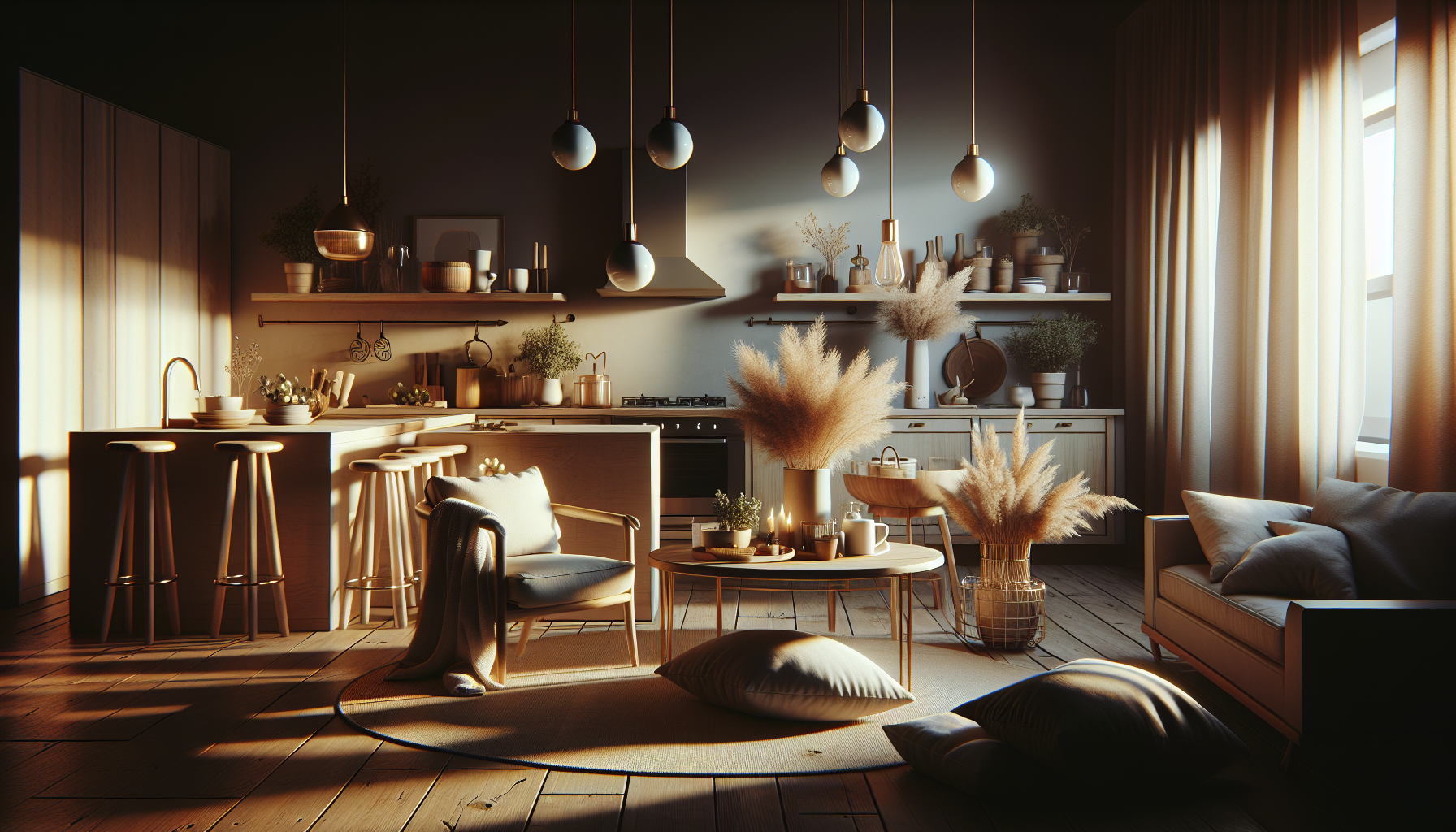
- Shadow Play: Arrange objects or furniture to cast interesting shadows, adding depth to your interior spaces. Pay attention to the time of day and natural light interplay for dynamic effects.
When applying these principles, consider the purpose of the space. For relaxation, opt for softer contrasts, whereas for creative workspaces, sharper contrasts might invigorate focus and creativity. Avoid cluttering light sources, as this can dilute the intended effect.
Closing Thoughts on Noir Lighting Techniques
Incorporating the subtle influences of 1940s noir lighting into modern psychological thrillers or personal spaces offers a timeless method to enhance visual storytelling and ambiance. By starting with one or two techniques, such as adjusting light sources or experimenting with shadows, you can gradually build a sophisticated understanding and application of these elements.
Over time, these small changes contribute to a broader appreciation of how light influences mood and narrative. Whether you’re setting the tone for a film or creating a cozy nook at home, the cumulative benefits include richer storytelling capabilities and more engaging spaces. Embrace the experimentation process, and adapt these techniques to fit your unique environment and personal style, ensuring they remain a functional and aesthetic asset in your creative toolkit.
Further Reading
For more on this topic, explore: BFI, IMDb.