The Quiet Rise of Nervous System Reset Practices in Everyday Life
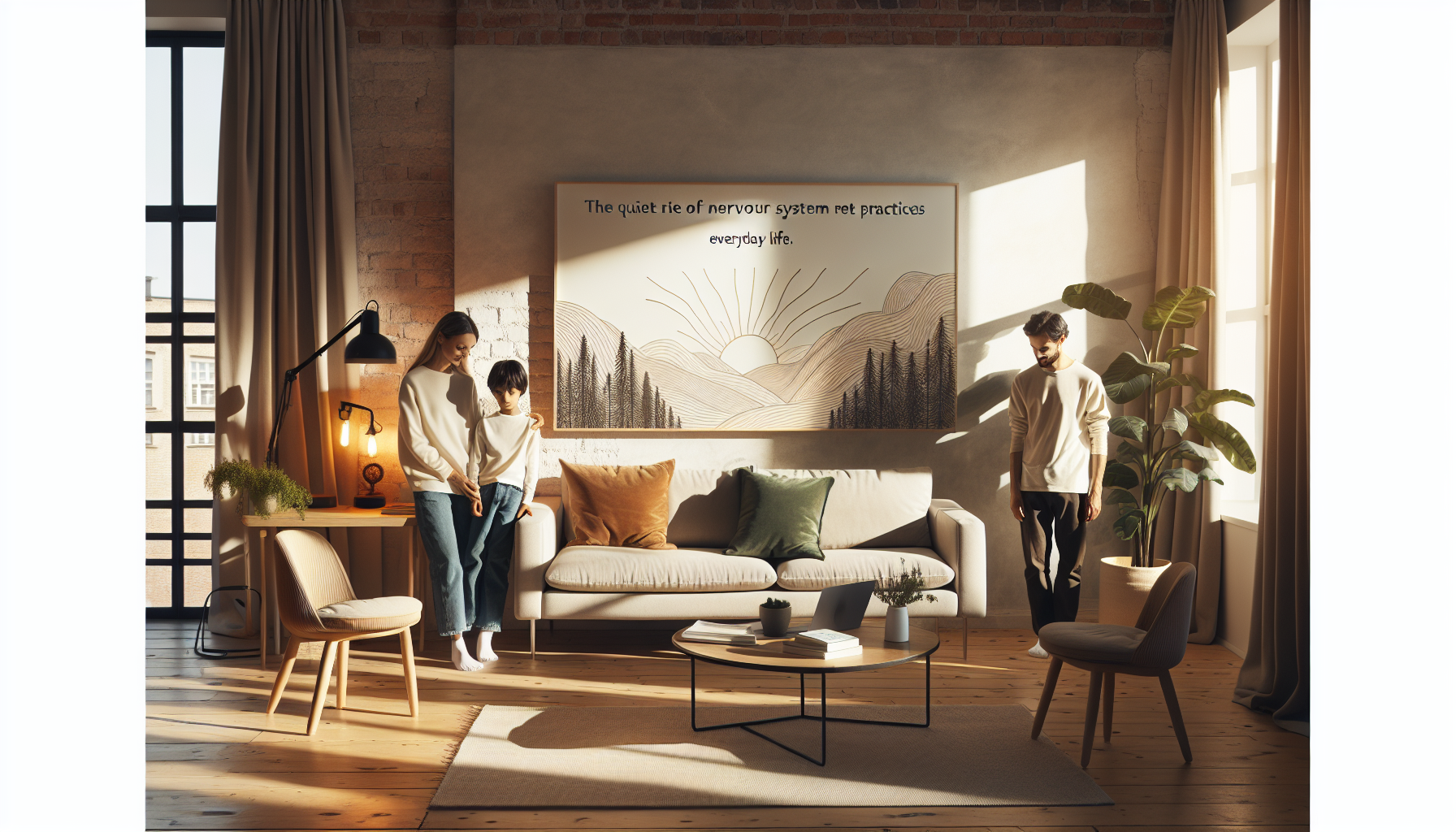
In recent years, the concept of nervous system reset practices has quietly woven itself into the fabric of everyday life. These practices, designed to balance and rejuvenate our body's internal systems, offer a gentle yet powerful way to improve overall well-being. In this article, we explore what nervous system reset practices are, how they can seamlessly fit into your daily routine, and the substantial benefits they provide, from reduced stress to enhanced mental clarity.
In an era where stress and burnout are common, finding sustainable methods to maintain mental and physical health is crucial. Nervous system reset practices are not just about relaxation; they are about cultivating a state of calm that can significantly improve your quality of life. By understanding how these practices work and integrating them into your day, you can achieve a more balanced lifestyle that supports your long-term health goals.
Understanding Nervous System Reset Practices
Nervous system reset practices involve techniques that regulate the autonomic nervous system, which controls involuntary body functions like heartbeat and digestion. These practices focus on achieving a state of parasympathetic dominance, where the body can rest and recover. This is essential because chronic stress often keeps our systems in a constant state of alertness.
- Mindful Breathing: Deliberate, slow breathing exercises can help activate the parasympathetic nervous system, promoting relaxation. Choose a technique like 4-7-8 breathing and practice it daily.
- Progressive Muscle Relaxation: This involves tensing and then relaxing different muscle groups, which can reduce muscle tension and anxiety.
Incorporating Practices into Daily Life
Integrating nervous system reset practices into your daily schedule can be simple and effective. Consider these practical tips:
- Set a Routine: Designate specific times during the day for your practices, such as after waking up or before bed.
- Create a Calm Environment: Dedicate a space in your home where you can practice without distractions. This helps in building a habitual association with relaxation.
Remember to be flexible with your routine. Life can be unpredictable, and it’s okay to modify your schedule as needed. The key is consistency, not rigidity.
"A wellness expert once noted: 'The body thrives on routine and rest. Nervous system reset practices are a gentle embrace for our overstimulated lives.'"
— Wellness Expert
Tailoring Practices to Your Needs
Nervous system reset practices are not one-size-fits-all. Consider your lifestyle and preferences when choosing which techniques to incorporate:
- Outdoor Variation: If possible, practice in nature. The natural environment can enhance the calming effects of these practices.
- Adapt to Seasons: During colder months, incorporate warming teas or baths to complement your relaxation routine.
It's important to listen to your body and adjust practices to fit your comfort level. Avoid pushing through discomfort, as this can counteract the benefits.
Benefits Beyond Stress Relief
While stress reduction is a significant benefit, nervous system reset practices offer much more:
- Improved Focus: Regular practice can enhance concentration and productivity.
- Better Sleep: Engaging in relaxation routines before bed can improve sleep quality.
It's a common misstep to expect drastic changes overnight. Patience and consistency are crucial, as benefits often become more noticeable over time.
In closing, nervous system reset practices offer a nurturing way to enhance your well-being and resilience. By starting small and incorporating one or two techniques into your routine, you can gradually build a toolkit for managing stress and improving health. These practices emphasize the power of intention and mindful living, encouraging you to explore and adapt them to your lifestyle. The cumulative benefits of regular practice include less stress, increased focus, and a greater sense of calm, inviting you to lead a more harmonious life.
Further Reading
For more on this topic, explore: Architectural Digest, Eater, Dezeen.