The Quiet Influence of Woodblock-Printed Illustrations on New Fiction
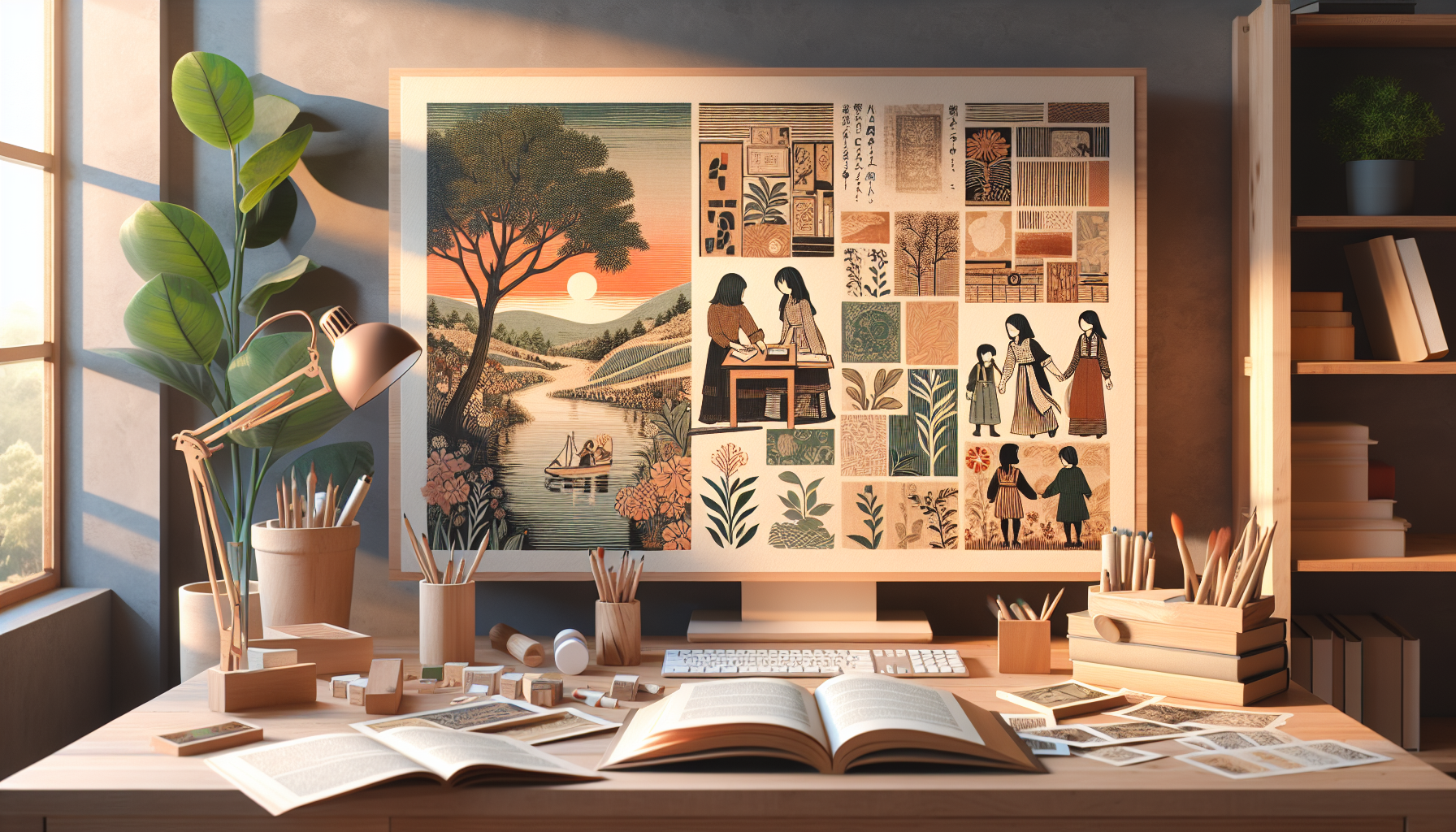
The world of literature is ever-evolving, with new trends and influences shaping the way stories are told and enjoyed. One such subtle yet impactful trend is the resurgence of woodblock-printed illustrations in new fiction. These intricate, hand-crafted designs have been quietly influencing the narrative landscape, offering both authors and readers a unique visual experience that enhances storytelling. In this article, we will explore the quiet influence of woodblock-printed illustrations on new fiction, the ways they enrich narratives, and how they can inspire writers and readers alike.
Incorporating woodblock-printed illustrations into fiction matters because it brings an additional layer of depth and texture to the reading experience. Far from being mere decorative elements, these illustrations serve as visual companions to the text, providing context and mood that enrich the narrative. This integration of art and literature can make stories more immersive and engaging, allowing readers to connect with the material on a deeper level. For writers, it offers an opportunity to convey complex themes and settings in a visually compelling manner, ultimately saving time and effort in world-building while enhancing reader engagement.
The Appeal and Impact of Woodblock-Printed Illustrations
Woodblock-printed illustrations have long been celebrated for their unique aesthetic, characterized by bold lines, rich textures, and striking contrasts. These features make them an ideal choice for illustrating fiction, where they can complement and enhance the written word. By evoking a sense of nostalgia and craftsmanship, woodblock prints can lend a timeless quality to new fiction, making it feel both contemporary and rooted in tradition.
- Why They Work: The handcrafted nature of woodblock prints imbues each piece with a sense of authenticity and individuality. This adds a layer of depth to the story, inviting readers to explore and appreciate the artistry behind the narrative.
When choosing illustrations for fiction, consider the theme, tone, and setting of the story. Opt for designs that resonate with the narrative, enhancing its emotional and visual appeal. Avoid overly intricate designs that may distract from the story, as simplicity often enhances the power of these illustrations.
How to Integrate Woodblock Illustrations into Fiction
To successfully incorporate woodblock-printed illustrations into fiction, it is essential to consider their placement and purpose. These illustrations should not merely decorate the pages but serve a functional role in enhancing the story. Strategic placement can elevate the narrative, providing visual cues that help readers follow the plot and deepen their understanding of the characters and settings.
- Placement Strategies: Integrate illustrations at key moments in the story, such as chapter openings, pivotal scenes, or transitions. This can help maintain reader interest and provide a visual break in the text.
Consider the pacing of the story when deciding where to include illustrations. Avoid clustering them too closely together, as this can overwhelm the reader and detract from the narrative flow. Instead, space them out to create a balanced and harmonious reading experience.
"The true power of illustration lies in its ability to tell a story beyond words, enriching the reader's journey through imagination and art."
— Art historian and illustrator
Inspiring Creativity and Engagement Through Woodblock Art
For writers, incorporating woodblock-printed illustrations can be a source of inspiration, sparking creativity and offering new perspectives on storytelling. These illustrations can challenge authors to think visually, considering how their stories might be interpreted through the lens of art. This can lead to innovative narrative techniques and a more holistic approach to storytelling.
- Engagement Techniques: Encourage readers to interact with the illustrations by posing questions or prompts related to the images. This can foster a deeper connection with the story and encourage active participation.
Writers can also explore collaborations with illustrators, allowing for a dynamic exchange of ideas that enrich the final product. By working together, authors and artists can create a cohesive and captivating narrative that resonates with readers on multiple levels.
Common Challenges and Solutions
Incorporating woodblock-printed illustrations into fiction presents its own set of challenges, from selecting the right designs to ensuring compatibility with the narrative tone. Authors must navigate these obstacles to successfully integrate illustrations that enhance rather than detract from the story.
- Overcoming Challenges: Curate a portfolio of potential illustrations and consult with artists to find the best fit for your narrative. This collaborative approach ensures that the final product is both visually and thematically aligned.
Be mindful of the balance between text and illustration, ensuring that neither element overwhelms the other. Regular feedback from beta readers can provide valuable insights into how well the illustrations serve the story, allowing for adjustments before final publication.
Further Reading
For more on this topic, explore: NYT Books, Artsy.