The Quiet Influence of Japanese Sumi-e Brushwork on Western Minimal Art
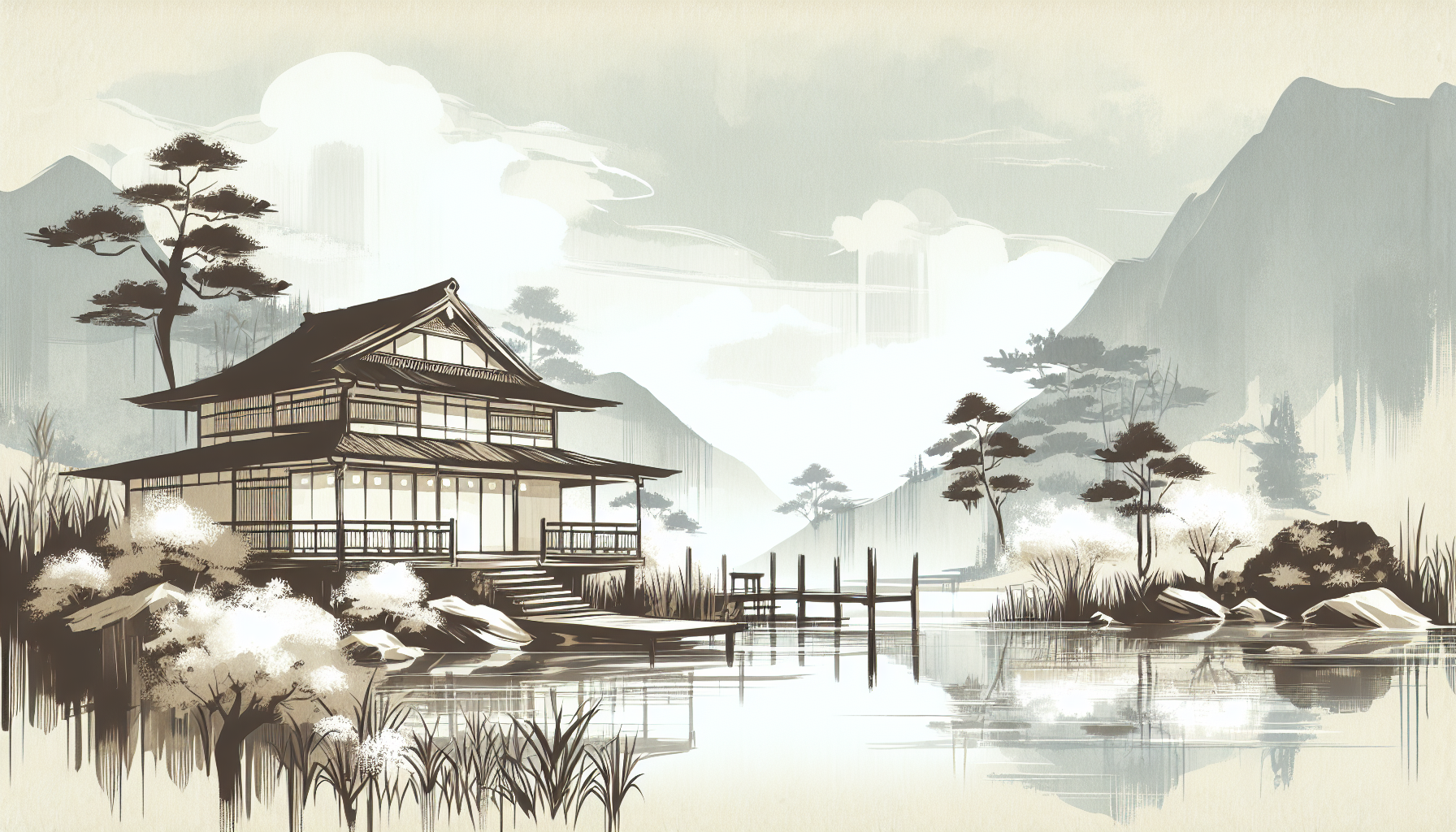
Japanese Sumi-e brushwork, renowned for its simplicity and elegance, has quietly influenced the world of Western minimal art. This traditional art form, characterized by monochromatic brush strokes, has not only captured the essence of minimalism but has also left an indelible mark on Western art and design philosophies. In this article, we will explore how Sumi-e has shaped Western minimal art, offering insights into its application in modern aesthetics, interior design, and creative expression.
The minimalist approach central to Sumi-e resonates with many who seek clarity and tranquility in their surroundings. Understanding this influence can empower individuals to incorporate these timeless principles into their own spaces, enhancing their living environment with a sense of peace and understated beauty. Whether you are an art enthusiast or simply someone looking to refine your personal style, the art of Sumi-e offers valuable lessons in mindfulness and simplicity.
The Origin and Essence of Sumi-e Brushwork
Sumi-e, or ink wash painting, originated in China but flourished in Japan as a distinct art form during the Zen Buddhist movement. It emphasizes capturing the spirit of a subject rather than its exact likeness, using minimal brush strokes and a monochromatic palette. This focus on the essence rather than detail is what makes Sumi-e a natural precursor to Western minimalism.
- Why it works: The simplicity of Sumi-e encourages viewers to engage with the artwork more deeply, inviting personal interpretation and reflection.
- How to choose/use: Introduce elements of Sumi-e in your art practice by focusing on simple yet powerful imagery, using limited colors and brush strokes.
Common mistakes to avoid in practicing Sumi-e include over-complicating the design and missing the emphasis on capturing emotion over detail. Embrace the idea that less is often more, and focus on the intentional flow and impact of each brush stroke.
Impact of Sumi-e on Western Minimalist Art
Western minimal art emerged in the late 20th century, characterized by the removal of excess in favor of simplicity and clarity. The influence of Sumi-e is evident in the minimalist movement’s appreciation for negative space and the beauty found in restraint. Artists like Agnes Martin and Ellsworth Kelly have drawn inspiration from the principles of Sumi-e, emphasizing form and space over detail and complexity.
- Practical application: In your own art or home design, focus on creating balance through negative space, allowing elements to breathe and resonate.
Real-world examples include minimalist interior designs that incorporate elements like neutral palettes and simple lines, echoing the understated elegance of Sumi-e. Avoid clutter and focus on the quality of materials and the thoughtful placement of each element.
Applying Sumi-e Principles in Modern Design
The fundamental principles of Sumi-e can be seamlessly integrated into contemporary design practices. This involves focusing on simplicity, balance, and intentionality in the creation of spaces and objects. The minimalist ethos derived from Sumi-e can help cultivate an environment that promotes relaxation and mindfulness.
- Seasonal adaptations: Reflect seasonal changes with subtle shifts in texture and color, maintaining the minimalist principle of simplicity.
- Pros and cons: While the simplicity of Sumi-e-inspired design can enhance tranquility, it may require a thoughtful approach to avoid a sterile or overly sparse look.
Consider incorporating natural materials and textures to add warmth and depth, reinforcing the connection to nature that is inherent in Sumi-e. Be mindful of avoiding excessive ornamentation that can detract from the serene beauty of minimalist design.
Creating a Personal Connection with Sumi-e
To truly appreciate the influence of Sumi-e on Western minimal art, it is beneficial to engage with the practice personally. Try your hand at creating Sumi-e artworks or incorporating its principles into your creative projects. This experiential learning can deepen your understanding and appreciation of minimalism, while also offering a mindful and rewarding creative outlet.
- How to start: Begin with simple tools — ink, brush, and paper — and focus on basic shapes and forms. Prioritize the flow and continuity of your brush strokes.
- Adaptations for different lifestyles: Whether you have a dedicated art space or a small corner in your home, Sumi-e can be practiced in any environment that fosters concentration and peace.
Remember, the goal is not to replicate traditional Sumi-e perfectly but to embrace its philosophy of simplicity and essence. Avoid rushing or forcing creativity; instead, allow your exploration of Sumi-e to unfold naturally and intuitively.
Further Reading
For more on this topic, explore: Smithsonian Magazine, NYT Books, Literary Hub.